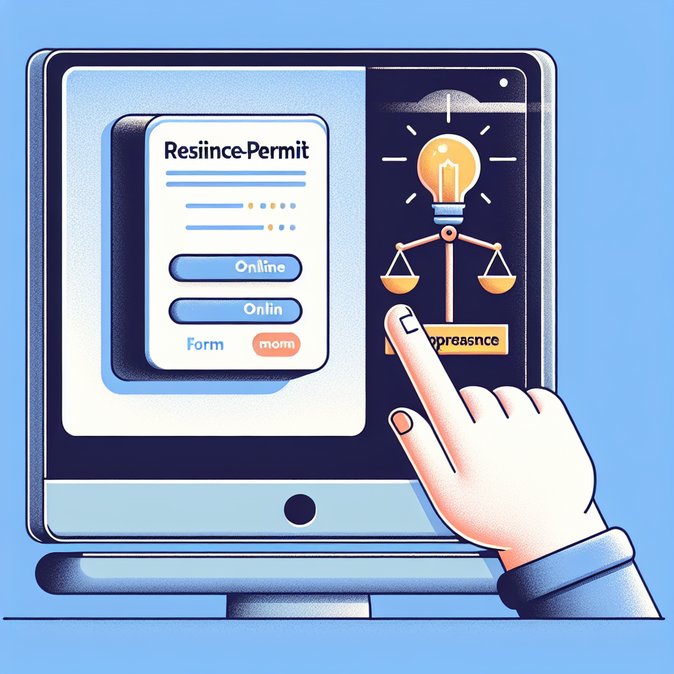
Secondary regulations published on 12 December complete Poland’s 2025 immigration overhaul and lock in two sweeping changes: (1) from January 2026 all temporary-stay (residence) permit applications must be lodged through the MOS e-portal using qualified electronic signatures; (2) government fees rise sharply across the board. Locally-hired employees will pay PLN 400 instead of PLN 100, posted workers PLN 800, and national-visa fees surge to €200.
Paper filings at voivodeship offices will no longer be accepted. Employers must now attach full passport scans and new compliance attestations, while officials gain explicit power to request supplementary evidence at any stage. The decree also reduces work-permit exemptions and caps foreign students at 20 hours’ work per week unless they hold separate permits.
![Poland Confirms Digital-Only Immigration Filing and Steep Fee Hikes from 2026]()
For organisations that prefer external assistance during the transition, VisaHQ’s Poland desk (https://www.visahq.com/poland/) offers end-to-end support—from securing qualified e-signatures and uploading passport scans to monitoring MOS-portal status updates—helping HR teams keep applications compliant and on budget.
Authorities argue digitisation will cut processing times by 30 % and curb fraud, but HR specialists fear technical glitches could delay decisions well into 2027. Corporate mobility teams must urgently update internal portals, obtain qualified e-signatures for assignees and budget for higher government charges in 2026 forecasts.
Immigration advisers recommend submitting any remaining paper files by 31 December 2025 and scheduling MOS-training sessions for HR staff unfamiliar with Poland’s ePUAP or trusted-profile authentication tools to avoid costly rejections next year.
Paper filings at voivodeship offices will no longer be accepted. Employers must now attach full passport scans and new compliance attestations, while officials gain explicit power to request supplementary evidence at any stage. The decree also reduces work-permit exemptions and caps foreign students at 20 hours’ work per week unless they hold separate permits.

For organisations that prefer external assistance during the transition, VisaHQ’s Poland desk (https://www.visahq.com/poland/) offers end-to-end support—from securing qualified e-signatures and uploading passport scans to monitoring MOS-portal status updates—helping HR teams keep applications compliant and on budget.
Authorities argue digitisation will cut processing times by 30 % and curb fraud, but HR specialists fear technical glitches could delay decisions well into 2027. Corporate mobility teams must urgently update internal portals, obtain qualified e-signatures for assignees and budget for higher government charges in 2026 forecasts.
Immigration advisers recommend submitting any remaining paper files by 31 December 2025 and scheduling MOS-training sessions for HR staff unfamiliar with Poland’s ePUAP or trusted-profile authentication tools to avoid costly rejections next year.