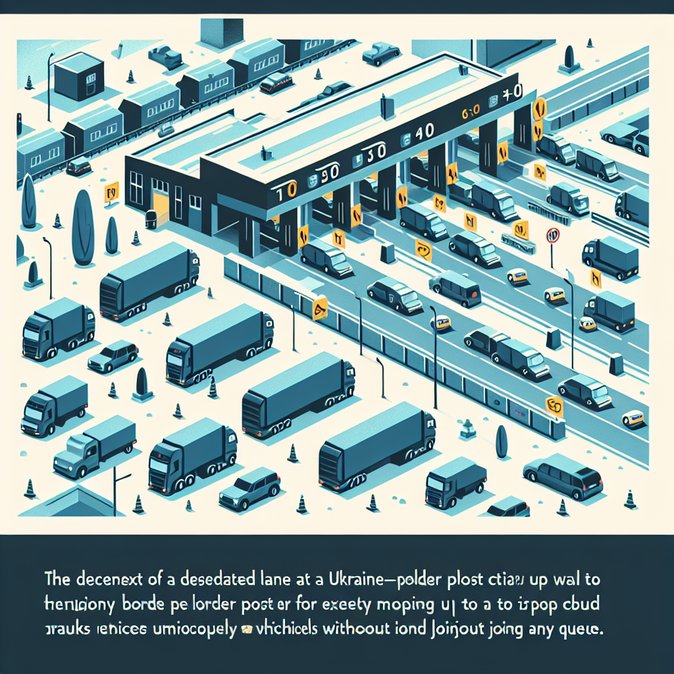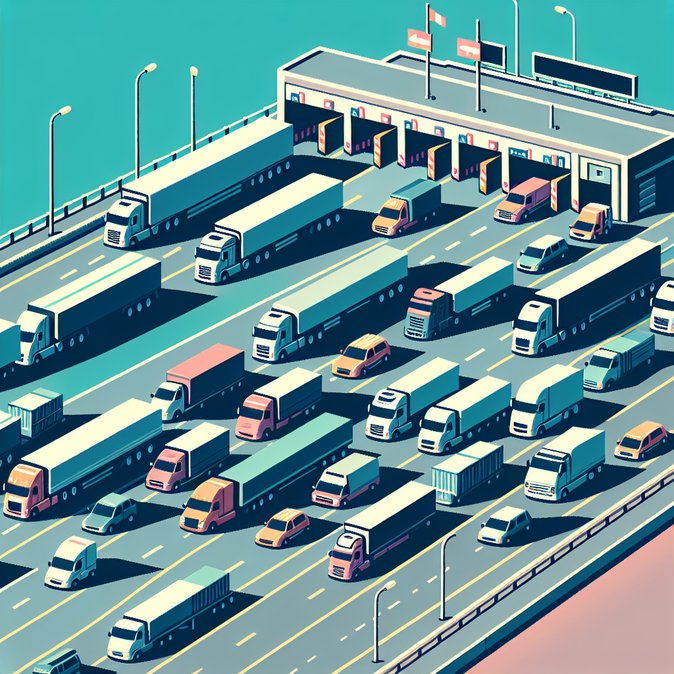
Polish hauliers and sympathetic farmers kept the pressure on both Warsaw and Brussels on 13 December, maintaining road-block protests at the Rava-Ruska, Krakivets and Shehyni checkpoints. State Border Guard Service spokesman Andriy Demchenko told national television that queues on the Polish side now exceed 2,600 trucks—most waiting to enter Ukraine with everything from pharmaceuticals to automotive components.
Protesters want the EU to reinstate permit quotas for Ukrainian trucking firms, scrapped after Russia’s 2022 invasion to keep Ukrainian exports flowing. Polish operators claim the quota-free regime lets Ukrainian drivers undercut them on EU lanes, eroding margins and jobs. Despite marathon talks, the sides remain far apart; carriers vowed to “rotate crews and stay for Christmas if necessary.”
For supply-chain managers the disruption is acute. Customs brokers report that standard Warsaw–Lviv transit times for full-truck loads have ballooned from 24 hours to four days. Several industrial multinationals have activated contingency plans, rerouting cargo via Slovakia or the Lučko rail corridor. Air-freight uplift out of Rzeszów and Kraków is also up 18 % week-on-week as just-in-time manufacturers scramble for parts.
![2,600 Trucks Stranded as Polish Carrier Blockade Grinds On at Three Ukraine Crossings]()
Whether you’re a logistics firm repositioning drivers or an assignee shuttling between project sites, VisaHQ can expedite any required visas, work permits or travel documents. The service’s dedicated Poland portal (https://www.visahq.com/poland/) offers real-time guidance, online applications and door-to-door courier options, helping travellers dodge administrative delays while the border situation remains fluid.
The Polish government has so far refrained from police dispersal, wary of domestic political fallout, but is exploring a temporary “fast lane” for perishable goods. EU Transport Commissioner Adina Vălean hinted at compensation funds for Polish SMEs yet insisted the permit waiver stays until at least mid-2026.
HR teams moving assignees between Poland and Ukraine should budget extra travel days, ensure drivers carry winter supplies, and verify medical-insurance coverage for extended idle time in border queues.
Protesters want the EU to reinstate permit quotas for Ukrainian trucking firms, scrapped after Russia’s 2022 invasion to keep Ukrainian exports flowing. Polish operators claim the quota-free regime lets Ukrainian drivers undercut them on EU lanes, eroding margins and jobs. Despite marathon talks, the sides remain far apart; carriers vowed to “rotate crews and stay for Christmas if necessary.”
For supply-chain managers the disruption is acute. Customs brokers report that standard Warsaw–Lviv transit times for full-truck loads have ballooned from 24 hours to four days. Several industrial multinationals have activated contingency plans, rerouting cargo via Slovakia or the Lučko rail corridor. Air-freight uplift out of Rzeszów and Kraków is also up 18 % week-on-week as just-in-time manufacturers scramble for parts.

Whether you’re a logistics firm repositioning drivers or an assignee shuttling between project sites, VisaHQ can expedite any required visas, work permits or travel documents. The service’s dedicated Poland portal (https://www.visahq.com/poland/) offers real-time guidance, online applications and door-to-door courier options, helping travellers dodge administrative delays while the border situation remains fluid.
The Polish government has so far refrained from police dispersal, wary of domestic political fallout, but is exploring a temporary “fast lane” for perishable goods. EU Transport Commissioner Adina Vălean hinted at compensation funds for Polish SMEs yet insisted the permit waiver stays until at least mid-2026.
HR teams moving assignees between Poland and Ukraine should budget extra travel days, ensure drivers carry winter supplies, and verify medical-insurance coverage for extended idle time in border queues.