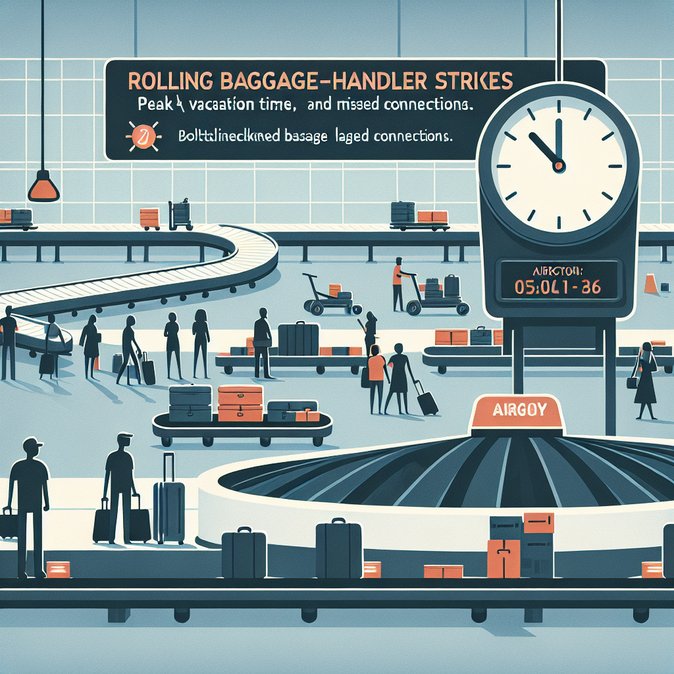
A fresh wave of labour unrest is set to hit Spanish airports during the busiest travel days of the year. According to Gulf News reports updated at 11:22 CET on 12 December, ground-handling subsidiary Azul Handling—Ryanair’s Spanish partner—will continue rolling stoppages every Wednesday, Friday, Saturday and Sunday through 31 December. Walkouts cover three peak windows each day (05:00-09:00, 12:00-15:00, 21:00-23:59) at twelve airports, including Madrid-Barajas, Barcelona-El Prat, Málaga, Palma, Tenerife Sur and Gran Canaria.
Although Spain’s minimum-service laws force the company to handle at least 70–87 % of scheduled flights, passengers can expect long check-in queues, missed connections and baggage delays. Ryanair, Spain’s largest carrier by seats, says it will attempt to maintain schedules but admits that staffing gaps are already triggering last-minute gate changes and aircraft swaps.
The strikes compound wider European transport unrest, with simultaneous industrial action by air-traffic controllers in Portugal and rail workers in Italy. For corporate mobility managers the advice is clear: build extra connection buffers, encourage hand-luggage-only travel and remind assignees of EU261 compensation rules for delays beyond three hours.
![Christmas Travel Alert: Strikes by Spanish Baggage-Handling Staff Threaten Peak-Season Flights]()
If the airport disruptions force you to reroute or extend your stay, VisaHQ can streamline the process of obtaining or renewing a Schengen visa for Spain. Their user-friendly portal and real-time support (https://www.visahq.com/spain/) help travelers and corporate mobility teams handle paperwork quickly, letting you focus on rebooking flights and meeting schedules despite the strikes.
Travel insurers are flagging an uptick in claims for missed meetings and re-booked accommodation. Meanwhile, logistics firms warn that cargo backlogs at Madrid and Barcelona could disrupt pre-holiday supply chains for high-value goods and critical spare parts.
Spanish labour mediators have called for an emergency bargaining session on 16 December, but unions say they will not stand down until overtime, bonus and job-stability demands are met. Should talks fail, aviation analysts fear a cascading crew-routing crisis similar to summer 2022 that cost airlines an estimated €120 million in compensation outlays.
Although Spain’s minimum-service laws force the company to handle at least 70–87 % of scheduled flights, passengers can expect long check-in queues, missed connections and baggage delays. Ryanair, Spain’s largest carrier by seats, says it will attempt to maintain schedules but admits that staffing gaps are already triggering last-minute gate changes and aircraft swaps.
The strikes compound wider European transport unrest, with simultaneous industrial action by air-traffic controllers in Portugal and rail workers in Italy. For corporate mobility managers the advice is clear: build extra connection buffers, encourage hand-luggage-only travel and remind assignees of EU261 compensation rules for delays beyond three hours.

If the airport disruptions force you to reroute or extend your stay, VisaHQ can streamline the process of obtaining or renewing a Schengen visa for Spain. Their user-friendly portal and real-time support (https://www.visahq.com/spain/) help travelers and corporate mobility teams handle paperwork quickly, letting you focus on rebooking flights and meeting schedules despite the strikes.
Travel insurers are flagging an uptick in claims for missed meetings and re-booked accommodation. Meanwhile, logistics firms warn that cargo backlogs at Madrid and Barcelona could disrupt pre-holiday supply chains for high-value goods and critical spare parts.
Spanish labour mediators have called for an emergency bargaining session on 16 December, but unions say they will not stand down until overtime, bonus and job-stability demands are met. Should talks fail, aviation analysts fear a cascading crew-routing crisis similar to summer 2022 that cost airlines an estimated €120 million in compensation outlays.