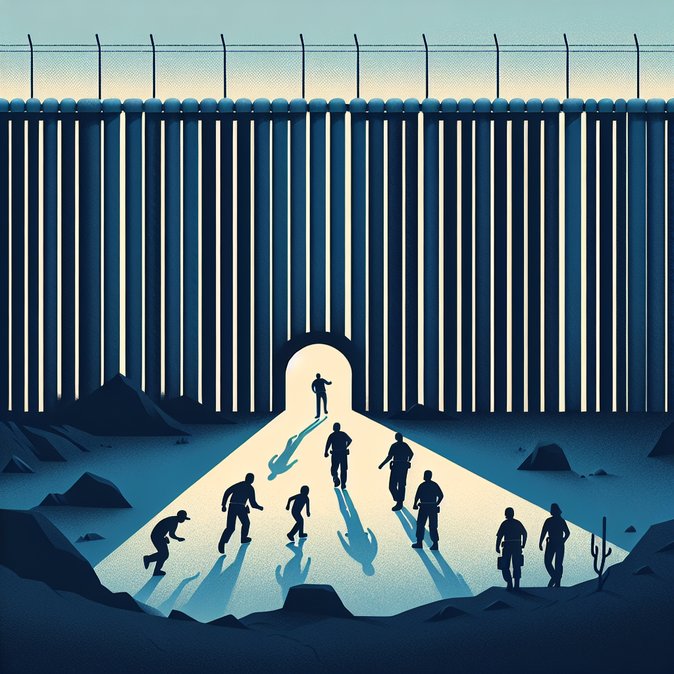
Polish authorities have uncovered the fourth clandestine tunnel this year beneath the heavily fortified frontier with Belarus, underscoring the escalating cat-and-mouse game between smugglers and security forces. In a statement on the morning of 12 December 2025, the Border Guard (Straż Graniczna) said electronic sensors flagged unusual ground vibration near Narewka, Podlaskie Province. A rapid-response patrol found a freshly shored shaft just 10 metres inside Polish territory; the tunnel’s opposite entrance lay some 50 metres inside Belarusian woodland, hidden beneath leaf litter.
The passage—about 1.5 metres high and "several-dozen" metres long—was used overnight by more than 180 migrants, mainly nationals of Afghanistan, Pakistan and India. Using heat-seeking drones and tracking dogs, soldiers and police detained 130 people within hours; a manhunt continues for the remainder. Two suspected facilitators—a 69-year-old Polish citizen and a 49-year-old Lithuanian—were arrested while waiting in vans on a forest track, allegedly to drive the group toward Germany.
Poland accuses Belarus and its ally Russia of orchestrating “hybrid attacks” by funnelling Middle-Eastern and African migrants towards the EU’s external border. Since the crisis erupted in 2021, Warsaw has spent more than €370 million on a 180 km steel wall, motion sensors and thermal cameras. Yet smugglers have adapted: authorities have detected four tunnels in 2025 alone and hundreds of attempts to cut or scale the barrier. Businesses that rely on cross-border freight have already reported rising insurance premiums and longer transit times as the army periodically closes service roads for security sweeps.
![Polish Border Guard Uncovers Migrant-Smuggling Tunnel on Belarus Frontier]()
Amid the tightening of border protocols, travelers and companies can simplify visa and residency paperwork before entering the Schengen Area. VisaHQ’s Poland portal (https://www.visahq.com/poland/) offers real-time guidance on tourist visas, work permits and long-stay options, helping mobility teams keep assignees compliant and avoiding last-minute disruptions that a fortified frontier can intensify.
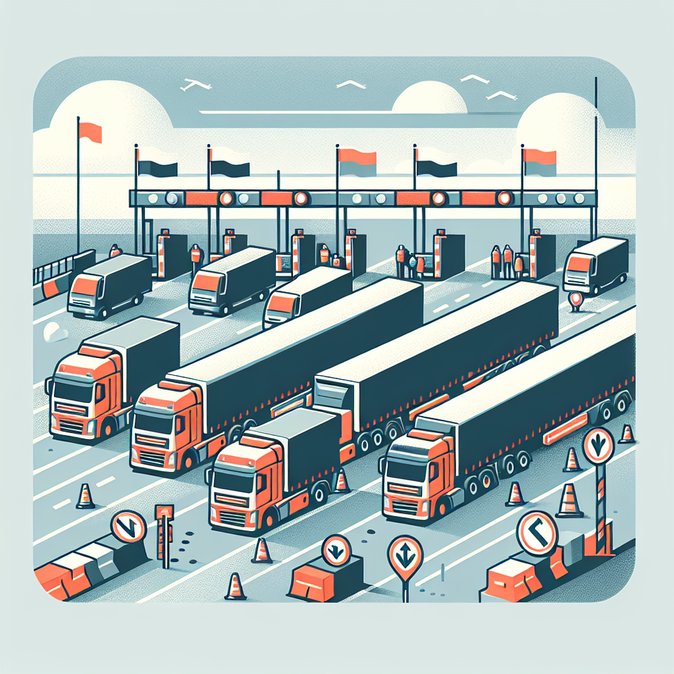
For mobility and relocation managers the discovery highlights persistent operational risks along Poland’s eastern flank. Companies moving staff through Warsaw or Białystok may face ad-hoc police checks, while haulage firms could see stricter vetting of drivers and cargo at checkpoints. Compliance teams should brief expatriates on restricted zones: since 2024, a 200-metre “buffer strip” bans unauthorised entry and photography, and fines for violators start at PLN 5,000.
Looking ahead, Interior Minister Tomasz Siemoniak signalled that Warsaw will seek EU funding to expand underground sensors and extend the wall south toward Ukraine. He also hinted at new legislation allowing expedited removal of migrants caught within 30 kilometres of the border. If adopted, the measures would tighten an already robust regime, affecting humanitarian NGOs and potentially business travellers driving the Suwałki corridor. Corporate security teams should monitor regulatory updates and review duty-of-care plans for staff operating near the frontier.
The passage—about 1.5 metres high and "several-dozen" metres long—was used overnight by more than 180 migrants, mainly nationals of Afghanistan, Pakistan and India. Using heat-seeking drones and tracking dogs, soldiers and police detained 130 people within hours; a manhunt continues for the remainder. Two suspected facilitators—a 69-year-old Polish citizen and a 49-year-old Lithuanian—were arrested while waiting in vans on a forest track, allegedly to drive the group toward Germany.
Poland accuses Belarus and its ally Russia of orchestrating “hybrid attacks” by funnelling Middle-Eastern and African migrants towards the EU’s external border. Since the crisis erupted in 2021, Warsaw has spent more than €370 million on a 180 km steel wall, motion sensors and thermal cameras. Yet smugglers have adapted: authorities have detected four tunnels in 2025 alone and hundreds of attempts to cut or scale the barrier. Businesses that rely on cross-border freight have already reported rising insurance premiums and longer transit times as the army periodically closes service roads for security sweeps.

Amid the tightening of border protocols, travelers and companies can simplify visa and residency paperwork before entering the Schengen Area. VisaHQ’s Poland portal (https://www.visahq.com/poland/) offers real-time guidance on tourist visas, work permits and long-stay options, helping mobility teams keep assignees compliant and avoiding last-minute disruptions that a fortified frontier can intensify.
For mobility and relocation managers the discovery highlights persistent operational risks along Poland’s eastern flank. Companies moving staff through Warsaw or Białystok may face ad-hoc police checks, while haulage firms could see stricter vetting of drivers and cargo at checkpoints. Compliance teams should brief expatriates on restricted zones: since 2024, a 200-metre “buffer strip” bans unauthorised entry and photography, and fines for violators start at PLN 5,000.
Looking ahead, Interior Minister Tomasz Siemoniak signalled that Warsaw will seek EU funding to expand underground sensors and extend the wall south toward Ukraine. He also hinted at new legislation allowing expedited removal of migrants caught within 30 kilometres of the border. If adopted, the measures would tighten an already robust regime, affecting humanitarian NGOs and potentially business travellers driving the Suwałki corridor. Corporate security teams should monitor regulatory updates and review duty-of-care plans for staff operating near the frontier.