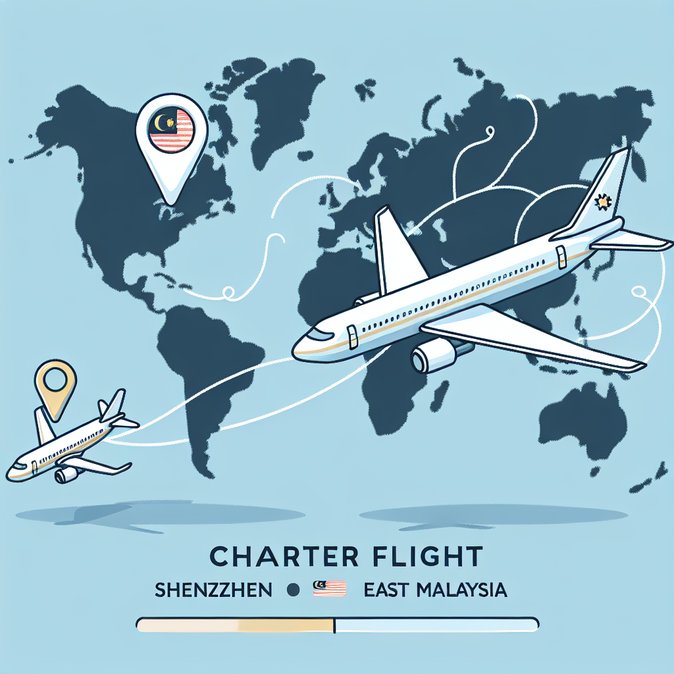
Chinese leisure carrier Loong Air (GJ) has opened a seasonal corridor between southern China and East Malaysia, operating a weekly Airbus A320 charter from Shenzhen Bao’an to Kuching (9–30 December) and four special flights to Tawau (6–18 December). The inaugural Kuching service landed on 9 December with 85 passengers and a Sarawak Tourism Board welcome ceremony.
The flights coincide with Malaysia’s ‘Visit Sarawak 2026’ campaign and China’s resumed group-tour approvals for outbound destinations. For employers, the new links shorten door-to-door travel for project teams servicing Chinese investments in Sarawak’s hydropower and aluminium clusters, and for palm-oil traders shuttling between Shenzhen and Sabah.
Travel planners juggling Chinese and Malaysian entry formalities may find it easier to outsource the red tape: VisaHQ’s online platform can secure Malaysian eVisas, Chinese tourist or business visas, and even guide applicants through the 144-hour transit exemption requirements in one streamlined dashboard. Real-time tracking and digital document uploads help keep last-minute charter bookings on schedule—see https://www.visahq.com/china/ for details.
![Loong Air debuts Shenzhen–Kuching and Shenzhen–Tawau charters, boosting China–Malaysia connectivity]()
Sarawak officials predict each rotation could inject RM 1 million (US$213,000) into the local economy through hotel nights and tour spend. Forward bookings are strong enough that Loong Air is evaluating a scheduled twice-weekly service from April 2026, pending CAAM approvals. Greater Bay Airlines has separately applied for Hong Kong–Tawau rights from January.
China-bound expatriates should note that the return legs arrive in Shenzhen after midnight; travellers using the 144-hour Guangdong visa-free transit scheme must ensure onward tickets dated within six days. Loong Air warns that fuel surcharges will rise by RMB 100 from 15 December due to jet-kerosene spikes.
While frequencies are limited, the charters demonstrate a broader trend: secondary Chinese cities are bypassing hub airports and using targeted charter permissions to test demand before seeking scheduled route designations under the bilateral air-services agreement. Mobility managers should watch for short-notice inventory drops and build flexibility into travel budgets.
The flights coincide with Malaysia’s ‘Visit Sarawak 2026’ campaign and China’s resumed group-tour approvals for outbound destinations. For employers, the new links shorten door-to-door travel for project teams servicing Chinese investments in Sarawak’s hydropower and aluminium clusters, and for palm-oil traders shuttling between Shenzhen and Sabah.
Travel planners juggling Chinese and Malaysian entry formalities may find it easier to outsource the red tape: VisaHQ’s online platform can secure Malaysian eVisas, Chinese tourist or business visas, and even guide applicants through the 144-hour transit exemption requirements in one streamlined dashboard. Real-time tracking and digital document uploads help keep last-minute charter bookings on schedule—see https://www.visahq.com/china/ for details.

Sarawak officials predict each rotation could inject RM 1 million (US$213,000) into the local economy through hotel nights and tour spend. Forward bookings are strong enough that Loong Air is evaluating a scheduled twice-weekly service from April 2026, pending CAAM approvals. Greater Bay Airlines has separately applied for Hong Kong–Tawau rights from January.
China-bound expatriates should note that the return legs arrive in Shenzhen after midnight; travellers using the 144-hour Guangdong visa-free transit scheme must ensure onward tickets dated within six days. Loong Air warns that fuel surcharges will rise by RMB 100 from 15 December due to jet-kerosene spikes.
While frequencies are limited, the charters demonstrate a broader trend: secondary Chinese cities are bypassing hub airports and using targeted charter permissions to test demand before seeking scheduled route designations under the bilateral air-services agreement. Mobility managers should watch for short-notice inventory drops and build flexibility into travel budgets.