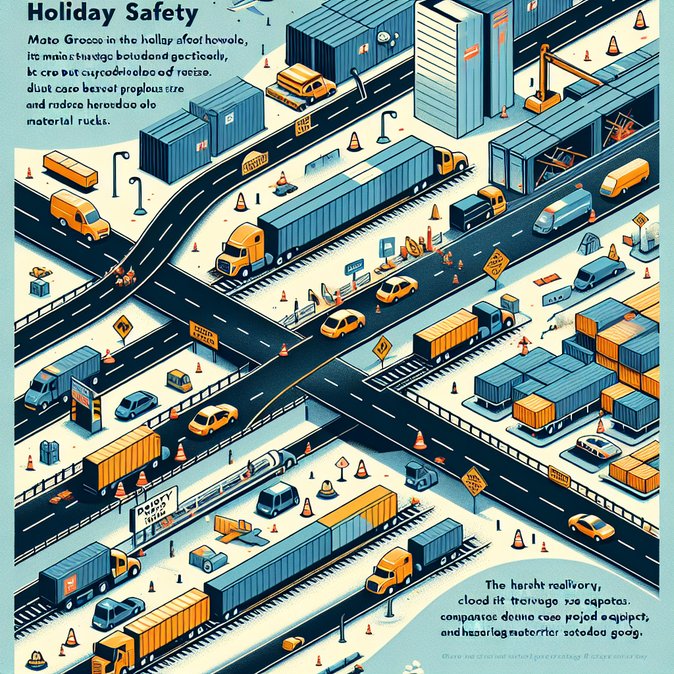
Brazil’s Federal Highway Police (PRF) activated its annual holiday road-safety drive on 30 November, but the most disruptive element kicked in this week: from Wednesday afternoon through Sunday night (4 December) trucks that need an Autorização Especial de Trânsito (AET) are barred from BR-163 and parallel corridors across Mato Grosso. The restrictions target over-dimensioned, hazardous-materials and escorted convoys that slow traffic during a long weekend that floods highways with holidaymakers. Non-compliance carries a R$ 1,467 fine and three demerit points; police escorts are withdrawn for non-essential hauls.
For exporters and project-cargo shippers, the timing is awkward. Soy processors in Sorriso and meat-packers in Rondonópolis typically dispatch end-week consignments to reach coastal ports before Monday futures cut-off. Logistics firms are diverting loads to storage yards near Cuiabá or rerouting via the Ferrovia Norte-Sul rail line, though rail capacity is tight.
![Federal Highway Police ‘Holiday Blitz’ Bans Oversize Loads on Mato Grosso Export Corridors]()
Amid these logistical adjustments, companies must also ensure that any foreign specialists dispatched to Brazil are compliant with immigration rules. VisaHQ’s dedicated Brazil portal (https://www.visahq.com/brazil/) simplifies the process of securing business, technical-assist or crew visas, offering online application management, real-time status updates and local support so that project managers can keep personnel moving even when the highways slow down.
Global-mobility managers supervising expatriate drivers or engineers must verify that transport partners have contingency plans and confirm that any AET-exempt cargo carries documentation proving eligibility. PRF hinted the clamp-down could be extended if outbound traffic remains heavy—worth monitoring for teams relocating equipment ahead of Carnival construction projects.
Practical advice: book roadside accommodation early; past blitzes have seen unscheduled lay-overs sell out along BR-163 within hours. Firms moving household goods should warn assignees of potential delays and storage costs if shipments are caught en route during the ban period.
For exporters and project-cargo shippers, the timing is awkward. Soy processors in Sorriso and meat-packers in Rondonópolis typically dispatch end-week consignments to reach coastal ports before Monday futures cut-off. Logistics firms are diverting loads to storage yards near Cuiabá or rerouting via the Ferrovia Norte-Sul rail line, though rail capacity is tight.

Amid these logistical adjustments, companies must also ensure that any foreign specialists dispatched to Brazil are compliant with immigration rules. VisaHQ’s dedicated Brazil portal (https://www.visahq.com/brazil/) simplifies the process of securing business, technical-assist or crew visas, offering online application management, real-time status updates and local support so that project managers can keep personnel moving even when the highways slow down.
Global-mobility managers supervising expatriate drivers or engineers must verify that transport partners have contingency plans and confirm that any AET-exempt cargo carries documentation proving eligibility. PRF hinted the clamp-down could be extended if outbound traffic remains heavy—worth monitoring for teams relocating equipment ahead of Carnival construction projects.
Practical advice: book roadside accommodation early; past blitzes have seen unscheduled lay-overs sell out along BR-163 within hours. Firms moving household goods should warn assignees of potential delays and storage costs if shipments are caught en route during the ban period.