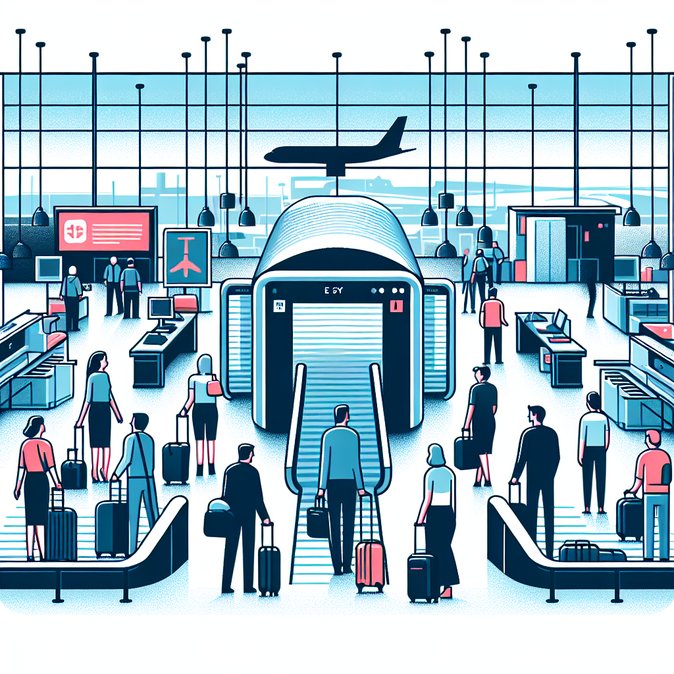
From Monday 8 December, travellers departing Switzerland’s busiest hub will experience a quieter revolution in airport security: seven new computed-tomography (CT) scanners on Level 0 mean passengers no longer need to remove liquids or electronic devices from hand luggage. Zurich Airport showcased the machines to media on 5 December, calling the upgrade “a major leap in screening technology.”
The scanners generate high-resolution 3-D images that allow security staff to detect solid and liquid explosives without the familiar 100-ml rule. During the pilot phase, the 100-ml limit technically remains for three of the four security floors, but the airport plans to convert all 26 lanes by summer 2026, at which point containers up to two litres will be permitted—a European first.
![Zurich Airport Rolls Out CT Scanners—Liquids and Laptops Can Stay in Your Bag]()
For business travellers the benefit is twofold: faster throughput and reduced risk of laptop damage or forgotten items. Zurich’s move follows similar deployments at Amsterdam Schiphol and London City, underscoring a wider trend toward frictionless checkpoints that could soon spread to Basel and Geneva.
Airport authorities warn that construction work may still cause sporadic queues over the winter peak, and advise status passengers to allow a buffer until all floors are upgraded. Travel-policy owners may wish to update pre-trip guidance to manage traveller expectations and capitalise on time savings.
Beyond convenience, the investment supports Switzerland’s strategy to remain an attractive, high-capacity hub for multinational corporations whose executives often transit ZRH for intercontinental assignments and meetings.
The scanners generate high-resolution 3-D images that allow security staff to detect solid and liquid explosives without the familiar 100-ml rule. During the pilot phase, the 100-ml limit technically remains for three of the four security floors, but the airport plans to convert all 26 lanes by summer 2026, at which point containers up to two litres will be permitted—a European first.
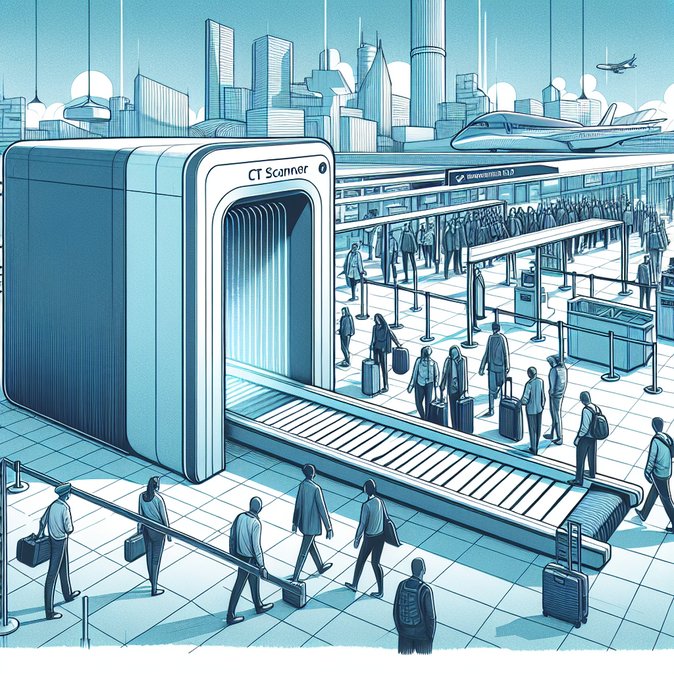
For business travellers the benefit is twofold: faster throughput and reduced risk of laptop damage or forgotten items. Zurich’s move follows similar deployments at Amsterdam Schiphol and London City, underscoring a wider trend toward frictionless checkpoints that could soon spread to Basel and Geneva.
Airport authorities warn that construction work may still cause sporadic queues over the winter peak, and advise status passengers to allow a buffer until all floors are upgraded. Travel-policy owners may wish to update pre-trip guidance to manage traveller expectations and capitalise on time savings.
Beyond convenience, the investment supports Switzerland’s strategy to remain an attractive, high-capacity hub for multinational corporations whose executives often transit ZRH for intercontinental assignments and meetings.