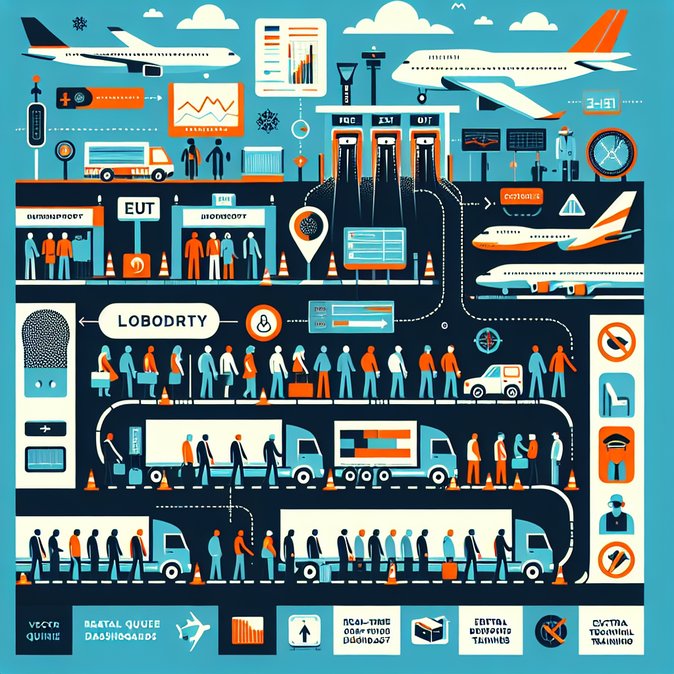
Logistics UK—one of Europe’s largest freight associations—has sounded the alarm that Poland could face severe congestion at its borders and airports during the Christmas peak unless the new EU Entry/Exit System (EES) is phased in more slowly. In a 4 December position paper, the group cites early reports of long queues at Dover and Prague and urges Brussels to honour its pledge of a gradual roll-out.
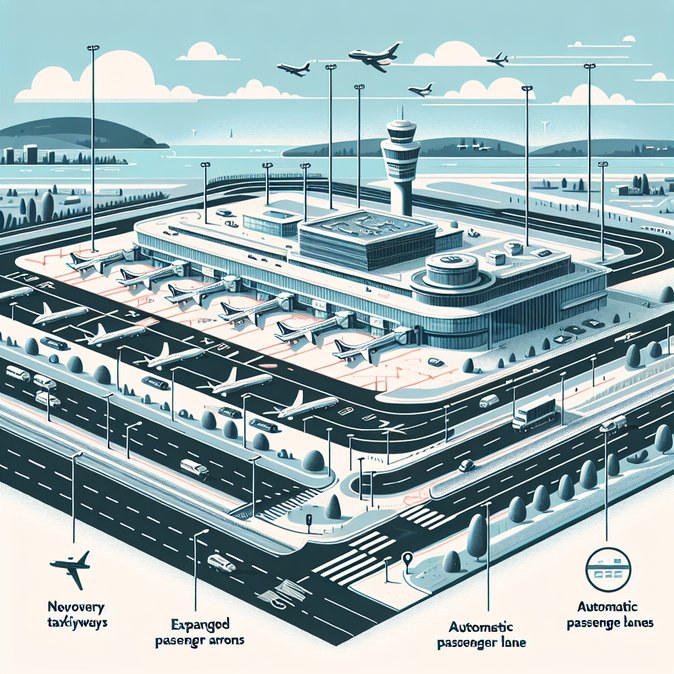
Poland is uniquely exposed: it operates one of the Schengen Area’s longest external land borders with non-EU states Ukraine and Belarus while also handling more than 24 million passengers a year through Warsaw-Chopin and Kraków-Balice airports. Border-Guard officials say fingerprint-and-facial-scan kiosks are working, yet predict a 20–30 percent spike in holiday traffic from mid-December. Any slowdown in enrolment could cascade into cargo flows, disrupting just-in-time supply chains that feed Poland’s booming automotive and electronics plants.
![Trade group warns of holiday bottlenecks as Poland braces for full EU Entry/Exit System]()
Logistics UK recommends that haulage operators brief drivers on biometric procedures, build extra dwell-time into schedules and pre-position trailers on the German side of the A2 motorway. It also calls for real-time performance dashboards so carriers can divert freight before queues build. Polish business chambers have echoed the plea, warning that unpredictable border times could undercut the country’s attractiveness for near-shoring.
The European Commission insists that the EES—launched on 12 October—is essential for tightening external-border security and tracking overstays. Critics argue the high-touch system should not be fully enforced during the heaviest travel period of the year. A final decision on any phased implementation now rests with the Council of the EU, where Poland could rally support from fellow front-line states.
For mobility managers the practical advice is clear: update traveller briefings, expect longer queues at land and air crossings, and monitor contingency plans for time-sensitive shipments throughout December.
Poland is uniquely exposed: it operates one of the Schengen Area’s longest external land borders with non-EU states Ukraine and Belarus while also handling more than 24 million passengers a year through Warsaw-Chopin and Kraków-Balice airports. Border-Guard officials say fingerprint-and-facial-scan kiosks are working, yet predict a 20–30 percent spike in holiday traffic from mid-December. Any slowdown in enrolment could cascade into cargo flows, disrupting just-in-time supply chains that feed Poland’s booming automotive and electronics plants.
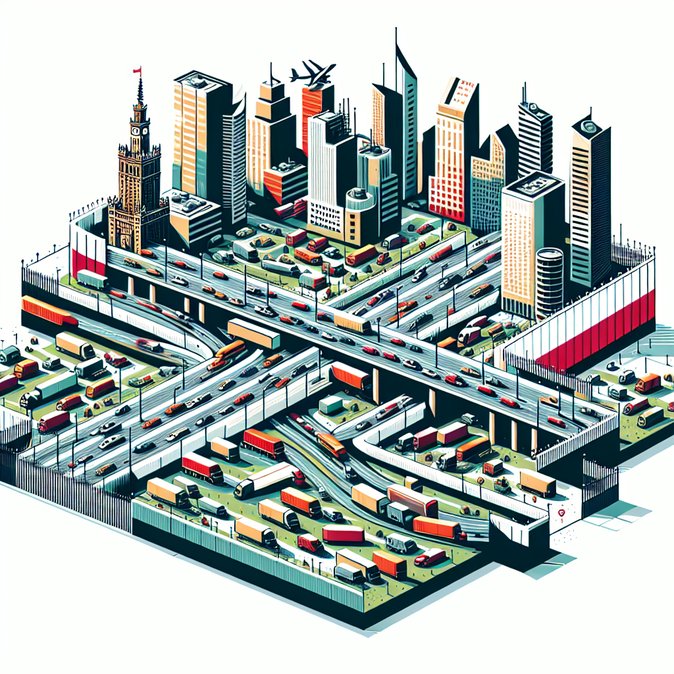
Logistics UK recommends that haulage operators brief drivers on biometric procedures, build extra dwell-time into schedules and pre-position trailers on the German side of the A2 motorway. It also calls for real-time performance dashboards so carriers can divert freight before queues build. Polish business chambers have echoed the plea, warning that unpredictable border times could undercut the country’s attractiveness for near-shoring.
The European Commission insists that the EES—launched on 12 October—is essential for tightening external-border security and tracking overstays. Critics argue the high-touch system should not be fully enforced during the heaviest travel period of the year. A final decision on any phased implementation now rests with the Council of the EU, where Poland could rally support from fellow front-line states.
For mobility managers the practical advice is clear: update traveller briefings, expect longer queues at land and air crossings, and monitor contingency plans for time-sensitive shipments throughout December.