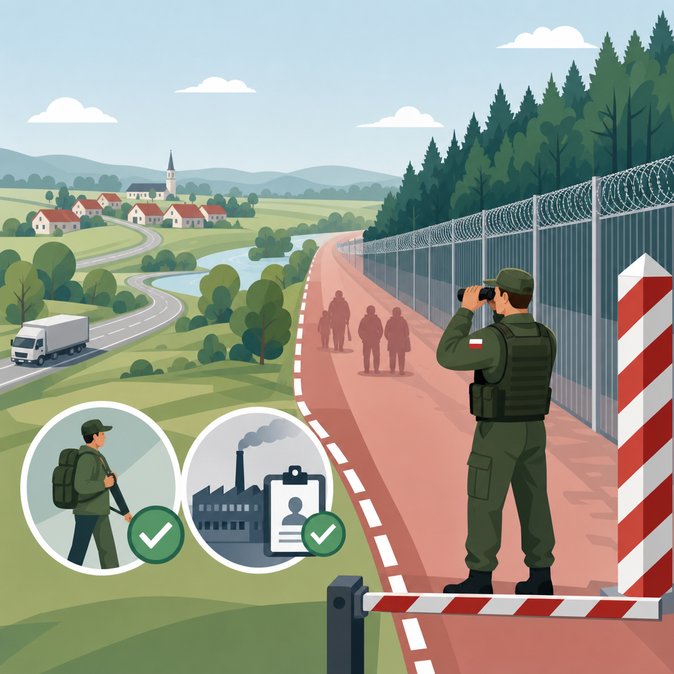
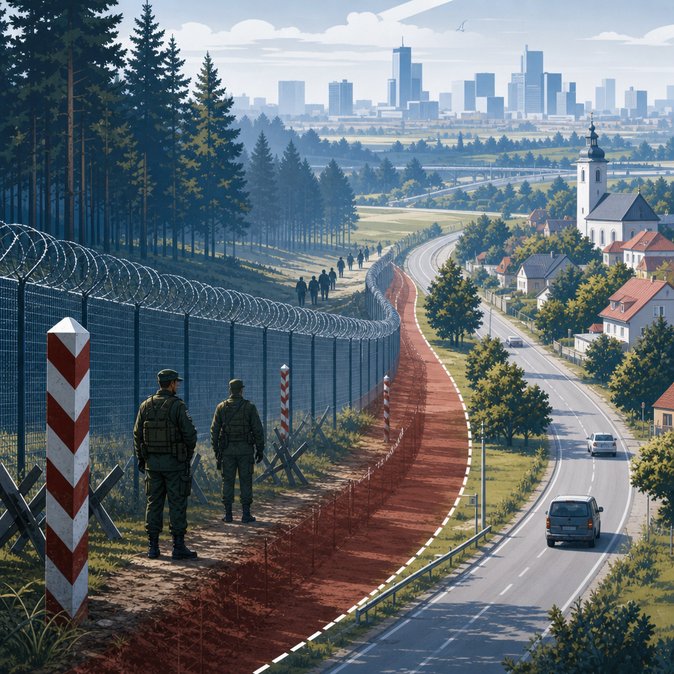
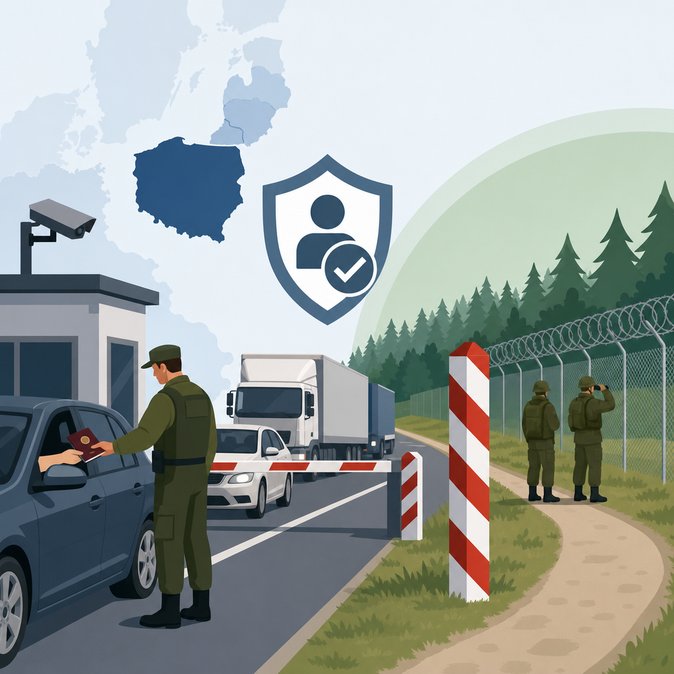
The Interior Ministry confirmed on June 3 that Minister Marcin Kierwiński has signed a new regulation prolonging the temporary no-go buffer zone along 59 km of the Polish-Belarusian border. The ban—initially introduced during the 2024 escalation of the migration crisis—will now run from June 3 through August 31, 2026, marking its eighth extension. Under the decree, entry is prohibited within 200 metres of the frontier, with deeper, four-kilometre restrictions in swampy sections. The zone deliberately excludes populated villages, tourist trails and most farmland to minimise economic disruption.
![Poland Extends 200-Metre Buffer Zone on Belarus Border Until 31 August 2026]()
Travellers, expatriates and corporate mobility teams looking for reliable, real-time information on visas and border formalities can turn to VisaHQ’s dedicated Poland page (https://www.visahq.com/poland/). The platform streamlines visa checks, application processing and alerts about temporary measures such as the evolving buffer-zone regulations, ensuring visitors stay compliant and avoid costly detours.
According to ministry data, the strengthened barrier has helped cut attempted illegal crossings to 215 between January and May 2026, a 98 % year-on-year decrease. Officials argue that the measure remains necessary because Belarusian security services have “shifted tactics” toward facilitating crossings farther north, forcing Poland to keep maximum readiness. Nearly PLN 3 billion (≈EUR 670 million) has been invested over two years in physical fences, motion-sensor cameras and river barriers on the Bug, Świsłocz and Istoczanka. For multinational manufacturers and logistics hubs in Podlaskie voivodeship, the extension means police and Border Guard patrols will continue spot-checks of vehicles and personnel near the restricted strip. Companies planning construction or maintenance within the zone must apply for individual passes at least five working days in advance and ensure employees carry IDs at all times. Travel agencies and tour operators are revising itineraries to avoid the fenced sections during the summer high season. While through-traffic on main roads (e.g., DK 19) is unaffected, hikers and cyclists are being rerouted to marked detours. Employers sending assignees to local facilities should brief staff on updated GPS routes and advise them not to rely on consumer navigation apps that have not yet been updated with the new exclusion boundaries.
Travellers, expatriates and corporate mobility teams looking for reliable, real-time information on visas and border formalities can turn to VisaHQ’s dedicated Poland page (https://www.visahq.com/poland/). The platform streamlines visa checks, application processing and alerts about temporary measures such as the evolving buffer-zone regulations, ensuring visitors stay compliant and avoid costly detours.
According to ministry data, the strengthened barrier has helped cut attempted illegal crossings to 215 between January and May 2026, a 98 % year-on-year decrease. Officials argue that the measure remains necessary because Belarusian security services have “shifted tactics” toward facilitating crossings farther north, forcing Poland to keep maximum readiness. Nearly PLN 3 billion (≈EUR 670 million) has been invested over two years in physical fences, motion-sensor cameras and river barriers on the Bug, Świsłocz and Istoczanka. For multinational manufacturers and logistics hubs in Podlaskie voivodeship, the extension means police and Border Guard patrols will continue spot-checks of vehicles and personnel near the restricted strip. Companies planning construction or maintenance within the zone must apply for individual passes at least five working days in advance and ensure employees carry IDs at all times. Travel agencies and tour operators are revising itineraries to avoid the fenced sections during the summer high season. While through-traffic on main roads (e.g., DK 19) is unaffected, hikers and cyclists are being rerouted to marked detours. Employers sending assignees to local facilities should brief staff on updated GPS routes and advise them not to rely on consumer navigation apps that have not yet been updated with the new exclusion boundaries.
Plus de Pologne
Voir tout
Polish Interior Minister: Belarus Border Remains “Top Priority” Ahead of Ireland’s EU Presidency
La Pologne maintient un contrôle strict de ses frontières intérieures de l'espace Schengen à l'approche de la saison estivale des voyages