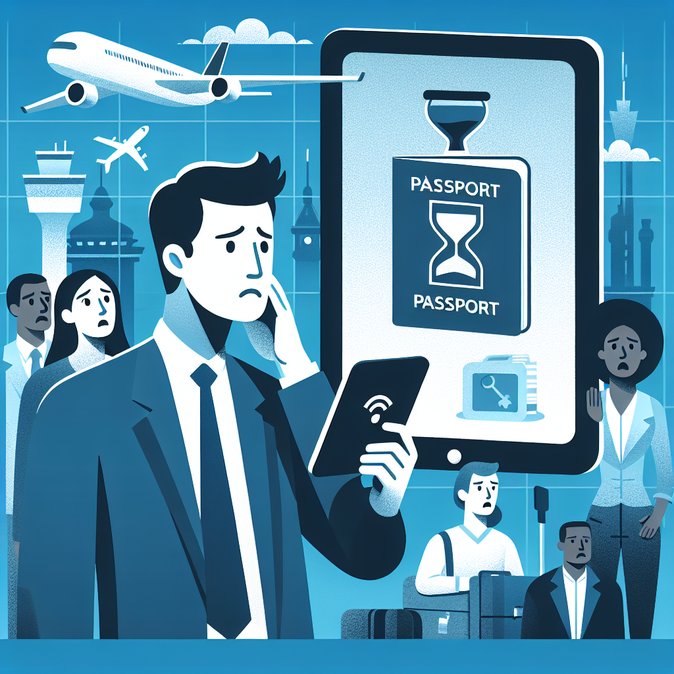
The UK government’s drive to digitise its borders is running into a political storm only days before a major change takes effect. From 25 February 2026, British citizens who hold another nationality will be barred from boarding a flight, ferry or Eurostar to the UK unless they can present either a valid British passport or a £589 Certificate of Entitlement linking their right of abode to their foreign passport.
The Home Office says the measure is a technical necessity: carriers’ automated systems can only verify British citizenship if the traveller presents a UK-issued travel document that is digitally linked to Home Office databases. But the rule has caught tens of thousands of Britons who live or travel abroad on the hop. Immigration lawyers report a surge in frantic enquiries from dual-national families whose British passports have lapsed but who urgently need to return—often for funerals, medical emergencies or to start new jobs. Airlines face fines of up to £10,000 per passenger if they carry someone who later turns out not to have permission to enter, so most are already refusing boarding unless the new documentation is produced.
During this scramble, many dual nationals are seeking help from specialist agencies such as VisaHQ, which can fast-track UK passport renewals, arrange Certificates of Entitlement and guide applicants through the new ETA system. Travellers can check service options and up-to-date requirements at https://www.visahq.com/united-kingdom/
![Lib Dems demand grace period as new UK border rule threatens to strand thousands of dual nationals]()
On Saturday, 22 February, the Liberal Democrats wrote to Home Secretary Shabana Mahmood urging her to introduce a temporary “grace period” so that affected Britons can renew their passports or apply for cheaper, short-term alternatives such as an electronic travel authorisation (ETA). Former Conservative minister David Davis and the travel industry trade body ABTA have joined the call, accusing the government of providing “woefully inadequate” notice and guidance. The Home Office has partially relented by telling carriers they may, at their own discretion, accept expired British passports issued in 1989 or later, but critics say this creates more confusion and puts staff in an impossible position.
Behind the row sits the government’s wider Digital Borders programme, which will see physical visa vignettes, biometric residence permits and eventually even ink entry stamps phased out in favour of e-Visas held in a UKVI account. Ministers insist the system will make travel to the UK quicker and safer, giving the authorities earlier sight of who intends to arrive. Yet the dual-national controversy underlines the human consequences when policy outpaces communication—and when technical fixes collide with the messy realities of modern, mobile lives.
For global-mobility managers and business-travel teams the message is clear: audit your UK-bound traveller lists now, identify dual-national employees whose UK passports have expired and push urgent renewals. Otherwise, colleagues could find themselves grounded abroad next week—while the political battle over Britain’s new digital frontier continues to rage.
The Home Office says the measure is a technical necessity: carriers’ automated systems can only verify British citizenship if the traveller presents a UK-issued travel document that is digitally linked to Home Office databases. But the rule has caught tens of thousands of Britons who live or travel abroad on the hop. Immigration lawyers report a surge in frantic enquiries from dual-national families whose British passports have lapsed but who urgently need to return—often for funerals, medical emergencies or to start new jobs. Airlines face fines of up to £10,000 per passenger if they carry someone who later turns out not to have permission to enter, so most are already refusing boarding unless the new documentation is produced.
During this scramble, many dual nationals are seeking help from specialist agencies such as VisaHQ, which can fast-track UK passport renewals, arrange Certificates of Entitlement and guide applicants through the new ETA system. Travellers can check service options and up-to-date requirements at https://www.visahq.com/united-kingdom/

On Saturday, 22 February, the Liberal Democrats wrote to Home Secretary Shabana Mahmood urging her to introduce a temporary “grace period” so that affected Britons can renew their passports or apply for cheaper, short-term alternatives such as an electronic travel authorisation (ETA). Former Conservative minister David Davis and the travel industry trade body ABTA have joined the call, accusing the government of providing “woefully inadequate” notice and guidance. The Home Office has partially relented by telling carriers they may, at their own discretion, accept expired British passports issued in 1989 or later, but critics say this creates more confusion and puts staff in an impossible position.
Behind the row sits the government’s wider Digital Borders programme, which will see physical visa vignettes, biometric residence permits and eventually even ink entry stamps phased out in favour of e-Visas held in a UKVI account. Ministers insist the system will make travel to the UK quicker and safer, giving the authorities earlier sight of who intends to arrive. Yet the dual-national controversy underlines the human consequences when policy outpaces communication—and when technical fixes collide with the messy realities of modern, mobile lives.
For global-mobility managers and business-travel teams the message is clear: audit your UK-bound traveller lists now, identify dual-national employees whose UK passports have expired and push urgent renewals. Otherwise, colleagues could find themselves grounded abroad next week—while the political battle over Britain’s new digital frontier continues to rage.