Britain’s Foreign, Commonwealth and Development Office (FCDO) has expanded its spring travel advisories, placing France—alongside Poland, Germany and several Nordic states—under closer watch because of mounting border-control delays linked to the European Union’s new Entry/Exit System (EES). The notice, published 22 February, stops short of telling citizens to stay away but urges anyone heading to France over Easter to allow “substantially more time” at airports, ferry ports and Eurostar terminals.
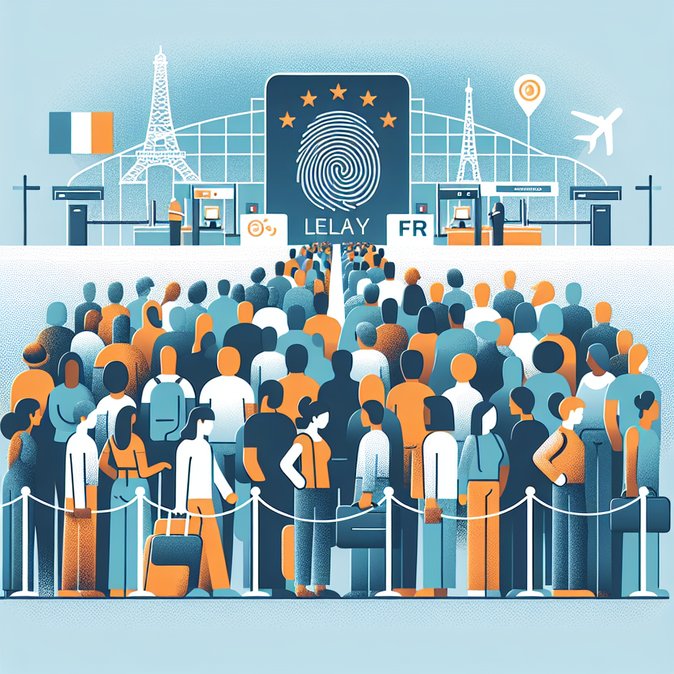
Under EES, non-EU travellers such as British passport-holders must provide fingerprints and a facial image the first time they cross an external Schengen border. French police perform those checks not only at Paris-Charles-de-Gaulle but also at Dover and London St Pancras, where French controls are juxtaposed on UK soil. Trials last month produced queues of more than two hours when a single biometric kiosk failed, prompting ferry operators to warn of knock-on congestion on the M20.
For travellers feeling daunted by the added paperwork and shifting requirements, VisaHQ offers a handy lifeline. Its France-dedicated portal (https://www.visahq.com/france/) walks users through EES pre-registration, keeps them updated on the rollout of ETIAS, and provides personalised document checklists—helping both holidaymakers and road-warrior executives breeze past potential snags at the border.
![UK issues spring travel warning for France as EU biometric border checks bite]()
The FCDO also flags confusion over ETIAS, the electronic travel authorisation scheduled to become mandatory later in 2026. Although ETIAS is not yet in force, look-alike websites have proliferated and some travellers have already been denied boarding after buying the wrong “visa”. British tour operators are urging Paris and Brussels to launch an official information campaign before the summer peak.
Business-travel managers say the advisory is a timely wake-up call. Firms sending staff to client meetings in Lille or Lyon now need to factor in potential biometric queues when booking tight day-return itineraries. Eurostar has reminded corporate account holders that missed trains caused by border delays are treated as no-shows, incurring full fare penalties unless flexible tickets are purchased.
French authorities insist they are hiring extra officers and opening additional EES lanes before Easter. Industry bodies, however, warn that until the system beds in, even minor technical glitches could trigger major disruption on the critical UK-France route that carries 10 million business travellers a year.
Under EES, non-EU travellers such as British passport-holders must provide fingerprints and a facial image the first time they cross an external Schengen border. French police perform those checks not only at Paris-Charles-de-Gaulle but also at Dover and London St Pancras, where French controls are juxtaposed on UK soil. Trials last month produced queues of more than two hours when a single biometric kiosk failed, prompting ferry operators to warn of knock-on congestion on the M20.
For travellers feeling daunted by the added paperwork and shifting requirements, VisaHQ offers a handy lifeline. Its France-dedicated portal (https://www.visahq.com/france/) walks users through EES pre-registration, keeps them updated on the rollout of ETIAS, and provides personalised document checklists—helping both holidaymakers and road-warrior executives breeze past potential snags at the border.

The FCDO also flags confusion over ETIAS, the electronic travel authorisation scheduled to become mandatory later in 2026. Although ETIAS is not yet in force, look-alike websites have proliferated and some travellers have already been denied boarding after buying the wrong “visa”. British tour operators are urging Paris and Brussels to launch an official information campaign before the summer peak.
Business-travel managers say the advisory is a timely wake-up call. Firms sending staff to client meetings in Lille or Lyon now need to factor in potential biometric queues when booking tight day-return itineraries. Eurostar has reminded corporate account holders that missed trains caused by border delays are treated as no-shows, incurring full fare penalties unless flexible tickets are purchased.
French authorities insist they are hiring extra officers and opening additional EES lanes before Easter. Industry bodies, however, warn that until the system beds in, even minor technical glitches could trigger major disruption on the critical UK-France route that carries 10 million business travellers a year.