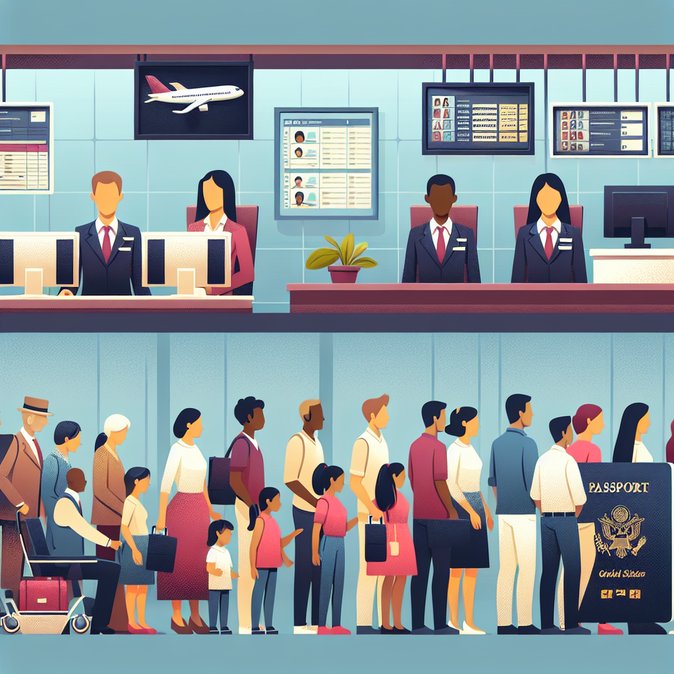
Travel risk consultancy Adept Traveler reports that airlines, ferry firms and Eurostar have already started ‘soft’ ETA verification at check-in counters as a rehearsal for 25 February’s hard deadline. Passengers lacking proof of an approved ETA—or presenting a different passport from the one used in their application—are being sent to manual document review queues and, in some cases, refused boarding entirely.
Families are especially vulnerable because every traveller, including children, must have an individual ETA tied to the correct passport. Dual nationals who rely on a non-UK document also face heightened risk: carriers cannot verify right-of-abode claims without a valid UK passport or Certificate of Entitlement.
Travellers unsure about their ETA status can streamline the process through VisaHQ’s online portal, which checks passport details, flags potential errors and submits applications directly to UK authorities—often within minutes—helping to avoid the costly disruption of being turned away at the gate. Full details are available at https://www.visahq.com/united-kingdom/
![Carriers begin dry-run ETA checks ahead of UK enforcement, advisers warn]()
The advisory explains that the enforcement shift moves the operational bottleneck from UK Border Force to the departure gate. Check-in agents now act as the first line of immigration control and have limited time or authority to resolve edge cases, making them more likely to take a ‘deny boarding’ decision when data mismatches occur.
Adept recommends that corporate travel managers perform a “ruthless pre-travel audit” of employee documents at least 72 hours before departure and build contingency budgets for re-routing if an ETA remains pending. The firm also advises avoiding tight onward connections through London until the new regime beds in.
The report serves as an early warning that, although the legal requirement starts on 25 February, the practical impact on travellers is already being felt at international departure points worldwide.
Families are especially vulnerable because every traveller, including children, must have an individual ETA tied to the correct passport. Dual nationals who rely on a non-UK document also face heightened risk: carriers cannot verify right-of-abode claims without a valid UK passport or Certificate of Entitlement.
Travellers unsure about their ETA status can streamline the process through VisaHQ’s online portal, which checks passport details, flags potential errors and submits applications directly to UK authorities—often within minutes—helping to avoid the costly disruption of being turned away at the gate. Full details are available at https://www.visahq.com/united-kingdom/

The advisory explains that the enforcement shift moves the operational bottleneck from UK Border Force to the departure gate. Check-in agents now act as the first line of immigration control and have limited time or authority to resolve edge cases, making them more likely to take a ‘deny boarding’ decision when data mismatches occur.
Adept recommends that corporate travel managers perform a “ruthless pre-travel audit” of employee documents at least 72 hours before departure and build contingency budgets for re-routing if an ETA remains pending. The firm also advises avoiding tight onward connections through London until the new regime beds in.
The report serves as an early warning that, although the legal requirement starts on 25 February, the practical impact on travellers is already being felt at international departure points worldwide.