Home Office begins removal of residency rights for absent EU citizens
Ottawa proposes unifying Express Entry into a single ‘Federal High-Skilled Class’
Nation-Wide Lufthansa Cabin-Crew Strike Grounds Hundreds of Flights Across Germany
Latest News
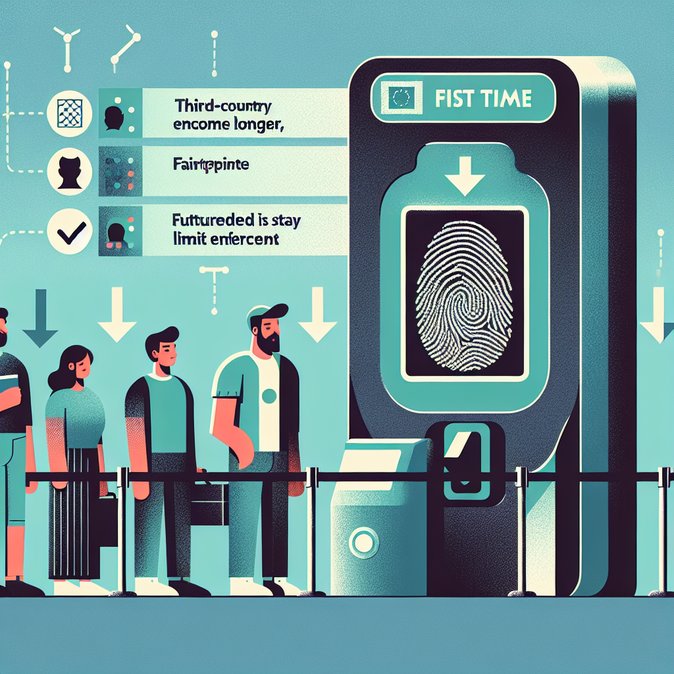
Poland Launches EU Biometric Entry/Exit System at All Border Crossings
Poland confirmed that the EU’s biometric Entry/Exit System is live at all 71 crossings from 10 April 2026. Third-country travellers must enrol fingerprints and a facial image; passport stamping ends. The change will lengthen first-time processing but is expected to streamline future trips and tighten enforcement of stay limits—key information for mobility managers sending staff to Poland or across Schengen.

Austria switches on the EU Entry/Exit System at all airports
Austrian airports activated the EU’s biometric Entry/Exit System nationwide on 10 April 2026. All third-country passengers are now registered digitally, ending manual passport stamping. The change should boost security and curb overstays, but companies should plan for slightly longer clearance times in the short term.
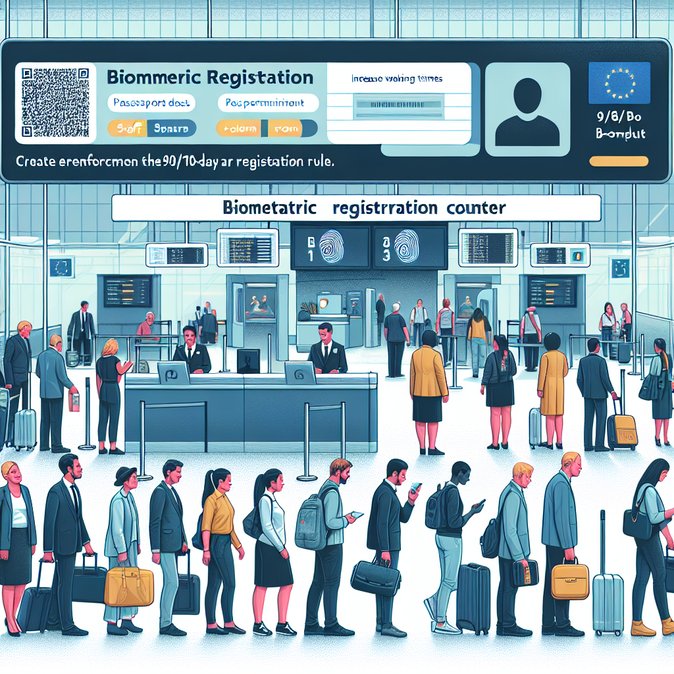
Schengen Entry/Exit System Goes Live: Digital Checks Now Mandatory at Belgian Borders
Belgium activated the EU’s new Entry/Exit System today, replacing passport stamps with biometric registration for all non-EU travellers. The change tightens enforcement of the 90/180-day rule and is expected to lengthen border checks in the short term, prompting Brussels Airport to add staff and kiosks. Companies must track employee travel more precisely and allow extra time for departures and arrivals.
Fuel-price protests snarl Ireland’s transport arteries; Government puts army on standby
A nationwide fuel-price protest on 10 April blocked key Irish motorways and threatened fuel supplies, prompting the Government to place the army on standby. The disruption is causing missed flights, diverted public transport and potential jet-fuel shortages, presenting immediate duty-of-care and routing challenges for multinationals.
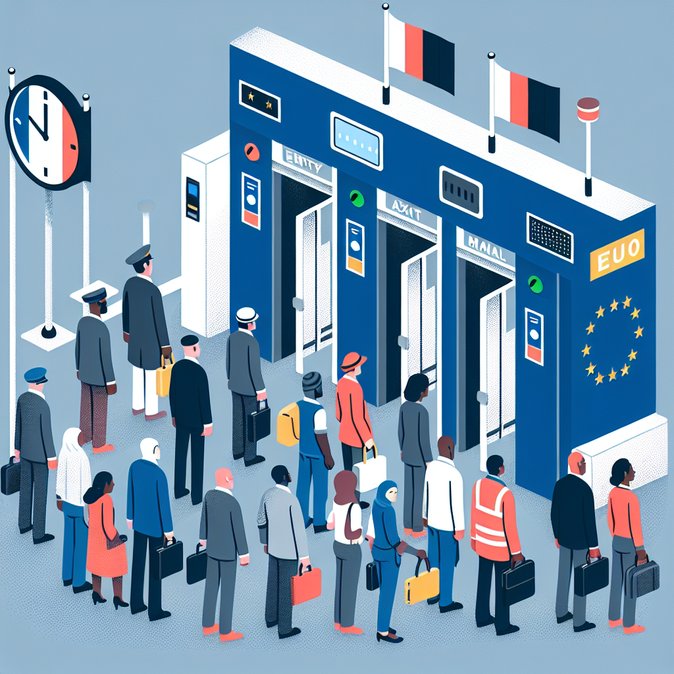
Technical glitches cloud first full day of EU Entry/Exit System, adding new checks for British travellers
The EU’s biometric Entry/Exit System went live on 10 April but suffered technical problems, forcing manual checks at Dover, Folkestone and St Pancras. UK travellers now face extra fingerprint and photo registrations and potential queues, while companies must factor the new rule into duty-of-care and 90/180-day tracking.
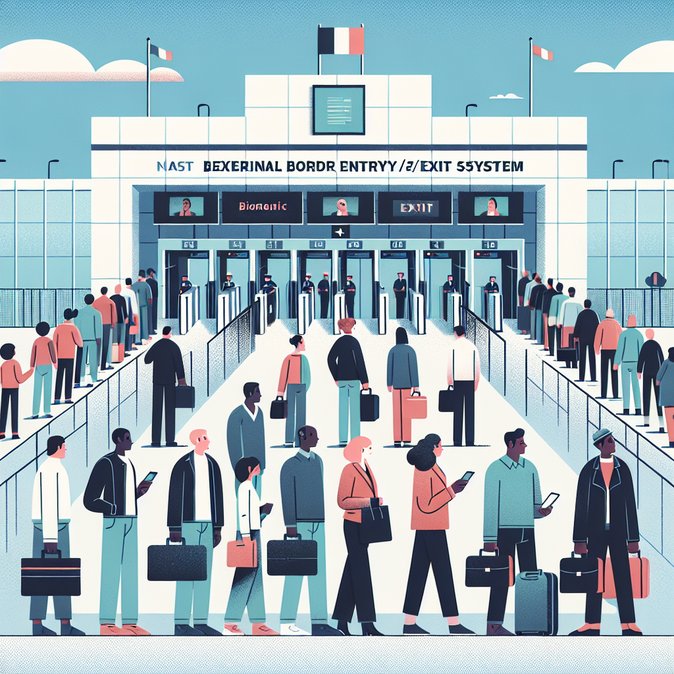
EU’s Entry/Exit System Goes Live: France Braces for First-Day Queues
France activated the EU’s biometric Entry/Exit System at all external borders on 10 April 2026. While intended to tighten overstay controls, the first hours saw queues of up to 90 minutes at Paris-CDG. Businesses are warning of productivity losses and advising travellers to build in extra time.

Parliamentary package overhauls Austria’s asylum, residence and work-permit rules
Bills introduced to parliament on 10 April would align Austrian asylum, residence and labour laws with the EU Migration Pact, adding mandatory border-screening, stricter family-reunification quotas and faster single-permit processing. Corporate mobility teams must prepare for new timelines and eligibility criteria.

Italy Activates EU Entry/Exit System: Biometric Checks Replace Passport Stamps at All Borders
From 10 April 2026 Italy has switched to the EU Entry/Exit System, digitising all short-stay entries and exits. Travellers now give fingerprints and a facial image instead of receiving passport stamps, a move expected to tighten overstay controls but initially lengthen queues. Employers must adjust absence-tracking processes, and passengers are urged to arrive earlier or pre-register biometrics via the EU’s new app.

Federal Judge Blocks Attempt to End TPS for Ethiopians
A Massachusetts judge halted the Trump administration’s plan to revoke Temporary Protected Status for roughly 5,000 Ethiopians, keeping them work-authorized in the U.S. pending further litigation. The ruling protects employers from sudden labor losses and underscores the importance of contingency planning for other at-risk TPS groups.
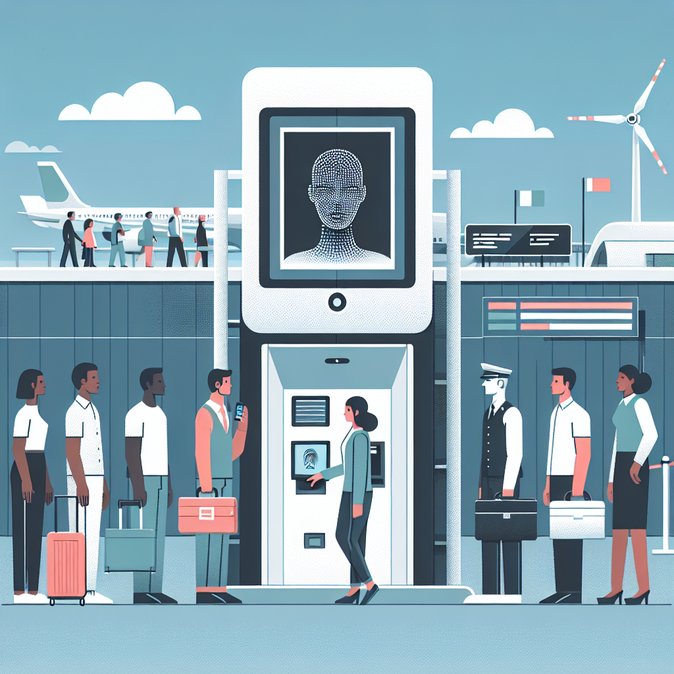
EU rolls out Entry/Exit System, changing border checks for Canadian travellers from April 10
The EU’s new biometric Entry/Exit System went live on 10 April 2026, replacing passport stamps with electronic records for every border crossing. Canadians entering the Schengen Area must now complete a kiosk-based fingerprint and facial scan, with their stay automatically tracked against the 90/180-day limit. The change tightens overstay enforcement and obliges mobility managers to monitor employee travel more precisely.

EU Biometric Entry/Exit System Goes Fully Live—Germany Called ‘Model Student’
The EU’s long-awaited biometric Entry/Exit System became fully operational on 10 April 2026, replacing passport stamps for all non-EU visitors. Germany leads the implementation league, processing entries in half the EU-average time and already denying more than 2,000 inadmissible travellers. Businesses must now monitor staff Schengen days meticulously and prepare for temporary queue build-ups as the system beds in.

UK raises visa fees across all categories, squeezing Indian travellers and businesses
Effective 8 April 2026 the UK has increased visit, study and work-visa fees by 6-8 per cent. Indian travellers must now pay £135 for a six-month visit visa and £903 for a five-year visa, while a Skilled-Worker visa (≤3 years) costs £819. The move will inflate corporate mobility budgets and could deter price-sensitive students and business travellers.

Emirates adjusts flights to 100+ cities as Gulf airspace restrictions persist
Emirates has trimmed or retimed services to more than 100 destinations because restricted Gulf airspace is forcing longer routings. The airline has re-opened flexible rebooking and refund options and warns passengers not to head to the airport without confirmation. The move tightens corporate-travel capacity and could raise air-freight rates through Dubai.

South Australia issues 445 invitations in April skilled-migration round
South Australia invited 445 skilled-migration candidates on 9 April 2026, allocating 245 subclass 190 and 200 subclass 491 places. Health, engineering and ICT occupations dominated the list as the state moves past 70 % of its annual quota. The results give employers and migrants a fresh snapshot of demand and reinforce the need for up-to-date Expressions of Interest.

Commission Reveals 7,000 Refusals Since Biometric Borders Pilot—Belgium Braces for More Post-Launch Scrutiny
Brussels released pilot-phase figures showing 7,000 refusals and 700 security alerts generated by the new Entry/Exit System. The numbers highlight the system’s ability to detect overstays and watch-list matches automatically, signalling heightened compliance risks for Belgian employers who rotate non-EU staff through short-term assignments.
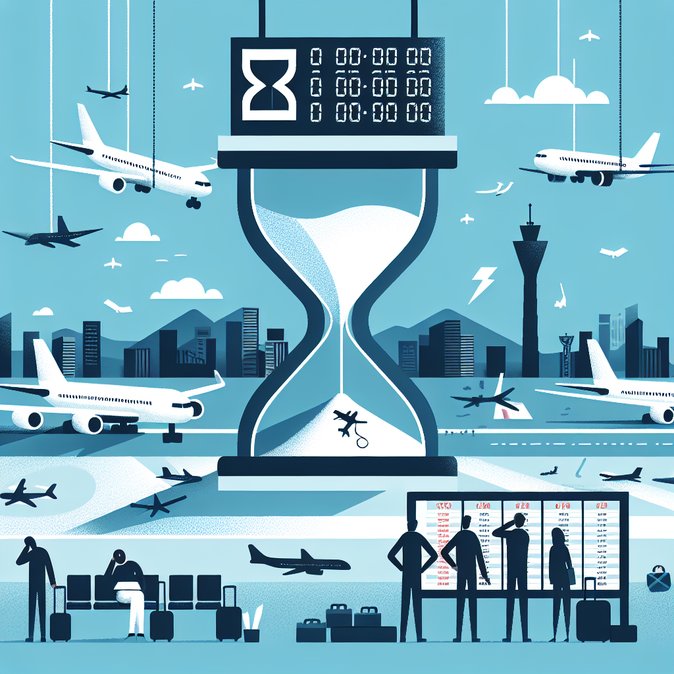
Power failure in São Paulo air-traffic control ripples nationwide, cancelling 220+ flights
A one-hour electrical failure at São Paulo’s air-traffic control froze departures at Congonhas and Guarulhos on 9 April, triggering 222 cancellations and more than 800 delays nationwide. The incident demonstrates how dependent Brazil’s network is on its main commercial hub and highlights the business-continuity risks for multinationals operating tight itineraries. Travellers are advised to monitor flights closely, allow longer connection windows and keep receipts for potential compensation.

Visa-Free Policies Spur Inbound Tourism Boom Across China
China’s new visa-free and 240-hour transit-without-visa regimes are fuelling a double-digit rebound in foreign arrivals, with visitors venturing well beyond Beijing and Shanghai into smaller cultural hubs. The shift is creating fresh opportunities for corporate events and client visits but also requires HR teams to distinguish clearly between visa-free tourism and work authorisation.