Ireland Adds Brazil to Visa-Free List, Opening New Horizons for Business and Leisure Travel
India Tells Citizens to ‘Expeditiously Exit Iran’ Amid Cease-Fire Uncertainty
Abu Dhabi’s Zayed International Airport resumes partial operations; travellers warned of reduced schedule
Latest News

Etihad issues fresh advisory as UAE carriers rebuild network; Air India adds 16 extra flights
Etihad warned clients on 8 April that its schedule may shift daily as air-space permissions evolve, while Air India introduced 16 extra relief flights to clear a passenger backlog. With other foreign carriers still on hold, capacity into the UAE remains volatile and insurance surcharges are rising, requiring travel planners to stay nimble.

Canada Offers Six-Month Immigration Relief Window for Disaster-Hit Temporary Residents
IRCC has introduced special measures allowing temporary residents affected by Canadian natural disasters to restore or extend their status up to six months after the event. The policy, in force from 1 April 2026 to 30 November 2028, applies to international students, foreign workers and visitors who can prove direct impact. It offers flexibility on restoration deadlines and document replacement, helping businesses and schools retain international talent during crises.
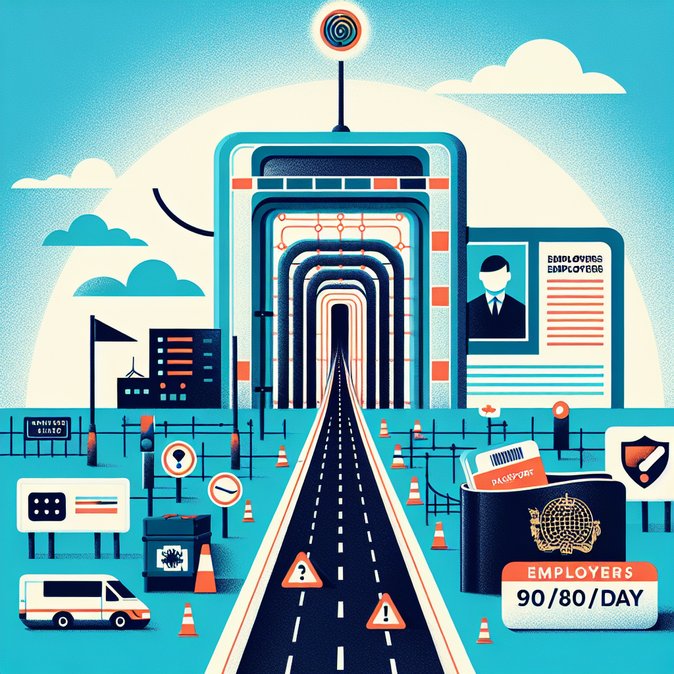
France Pauses EES Biometric Registration at Channel Crossings, Citing Software Glitches
France has postponed the biometric launch of the EU Entry/Exit System at Channel crossings originally scheduled for 10 April 2026 because of software and infrastructure problems. Manual passport stamping will continue, keeping the onus on employers to track the 90/180-day rule themselves. The brief delay could snowball into summer peak season if fixes are not in place soon.

UK Electronic Travel Authorisation Fee Jumps 25 % From Today, Adding Cost for Indian Visitors
From 8 April 2026 the UK has increased its Electronic Travel Authorisation fee to £20. Indian nationals—who already require a visit visa—must now budget for both the visa and the more expensive ETA, adding costs and potential delays for connecting flights via UK airports.
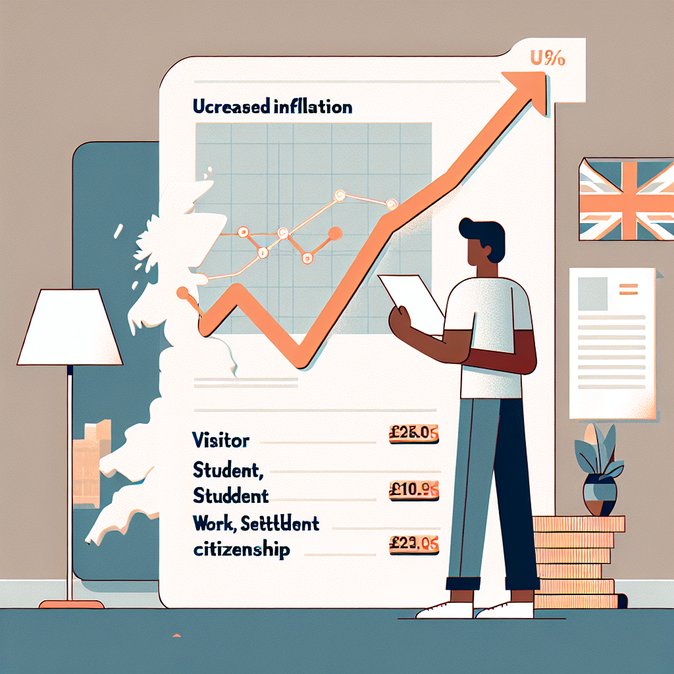
Across-the-Board UK Visa Fee Hike Takes Effect—Visitor, Student, Work Routes All Costlier for Indians
Visitor, student, work, settlement and citizenship fees rose 6-7 % on 8 April, adding hundreds of pounds to every UK application. Indian corporates and assignees should update cost projections and reassess timing of pending filings.

Poland prolongs “second-filter” checks on borders with Germany and Lithuania until October 2026
Warsaw has prolonged the temporary border controls it operates on its frontiers with Germany and Lithuania until 1 October 2026. Since being introduced in July 2025 the checks have screened 1.3 million travellers, stopped almost 1,000 people and identified 29 individuals who are now banned across Schengen. The move means continued, albeit moderate, delays for freight and commuter traffic and obliges employers to double-check that non-EU assignees carry complete documentation.
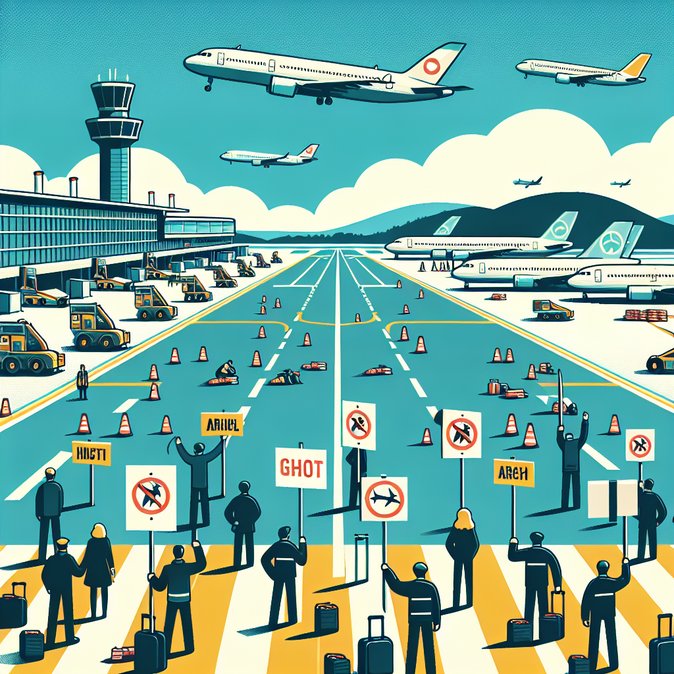
Nationwide Airport Strike to Ground Flights Across Germany on April 8
Verdi has called a 24-hour warning strike at 11 major German airports on 8 April 2026, forcing the cancellation of thousands of flights and affecting at least 150,000 passengers. The walk-out, part of a public-sector wage dispute, will disrupt business travel and air-cargo flows and highlights the fragility of Germany’s airport staffing model. Companies are scrambling to re-route travellers and shipments while urging the government to find a swift settlement.
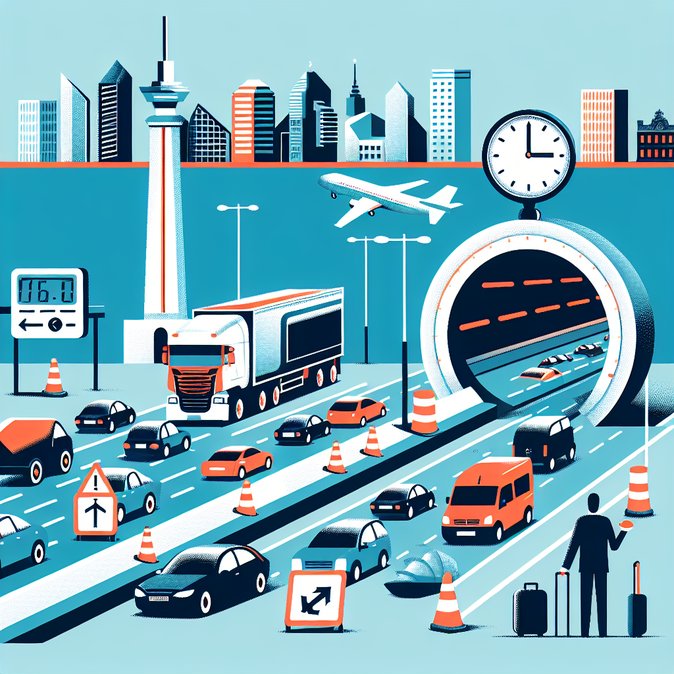
Second-day national fuel protest threatens access to Dublin Airport and Port Tunnel
Ireland’s national fuel protest rolled into a second day on 8 April, paralysing city-centre traffic and threatening to block the sole motorway approach to Dublin Airport as well as the Port Tunnel. Airport authorities and Gardaí have warned travellers to add significant journey time, while business groups calculate tens of millions in disruption costs. The standoff raises immediate contingency-planning issues for corporate mobility, air-cargo supply chains and time-critical international assignments.

Jet-fuel rationing hits four major Italian airports as Hormuz crisis squeezes supplies
Italy imposed strict jet-fuel rationing at Milan-Linate, Bologna, Venice and Treviso on 8 April after the Hormuz blockade choked oil supplies. Short-haul flights face fuel caps of 2,000 litres, forcing airlines to tanker fuel, add technical stops and warn of possible summer cancellations. Business-travel managers should build extra connection time, monitor EU261 obligations and prepare for higher costs if the Gulf crisis drags on.

UK Visa, Settlement and Passport Fees Jump 6-8 % as New Tariff Takes Effect
All UK visa, settlement and passport fees increased today by roughly 6-8 %. Companies will pay more to sponsor overseas staff and applicants will shoulder higher upfront costs. Only child-citizenship registration fees fell. HR teams must update budgets and fast-track any applications still unpaid.