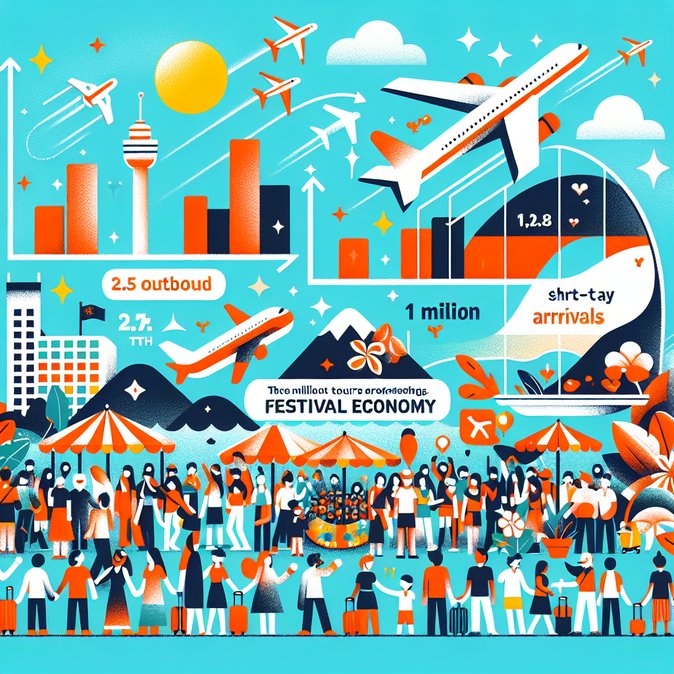
Hong Kong’s hospitality sector is ending the Lunar New Year break on an upbeat note even though far more residents left the city than arrived. Immigration Department figures covering February 13-18 show 2.5 million outbound journeys by Hong Kong residents versus just 1 million visitor arrivals, leaving a net outflow of more than 1 million trips. (scmp.com)
Yet the exodus did not empty the city’s hotels or tourist districts. Industry representatives told the South China Morning Post that occupancy in core areas such as Tsim Sha Tsui and Central averaged 85-90 per cent, boosted by promotions aligned with the government’s “mega-events economy” strategy and by a sharp rise in bookings from mainland Chinese families deterred from travelling to Japan amid diplomatic frictions. Restaurateurs in Temple Street and Tai O also reported double-digit revenue gains compared with last year.
![Lunar New Year sees 1 million-plus net outbound trips but Hong Kong hotels still enjoy bumper holiday trade]()
Travellers navigating visa requirements amid these shifting travel patterns can streamline the paperwork through VisaHQ, which provides online application tools and live support for entry permits to Hong Kong and more than 200 other destinations. Its Hong Kong portal (https://www.visahq.com/hong-kong/) lets corporate travel departments track multiple cases in one dashboard, ensuring employees secure the correct documentation well before peak periods.
The apparently contradictory trends highlight Hong Kong’s growing dependence on short-stay, high-spend visitors rather than local patrons. Analysts at Colliers Asia-Pacific note that the ratio of mainland visitors staying fewer than two nights has climbed from 42 per cent in 2018 to an estimated 58 per cent this year; quick turnover keeps hotel occupancy high even when length of stay falls.
For corporate mobility managers, the data carry two implications. First, premium room supply will remain tight around peak mainland holidays, requiring earlier block-booking for assignment travel. Second, the widening gap between outbound and inbound flows increases pressure on carriers to redeploy capacity, which could translate into higher fares for business-class seats out of Hong Kong in the months ahead. Travel buyers should lock in Lunar New Year 2027 allocations well before next summer’s contract season.
Yet the exodus did not empty the city’s hotels or tourist districts. Industry representatives told the South China Morning Post that occupancy in core areas such as Tsim Sha Tsui and Central averaged 85-90 per cent, boosted by promotions aligned with the government’s “mega-events economy” strategy and by a sharp rise in bookings from mainland Chinese families deterred from travelling to Japan amid diplomatic frictions. Restaurateurs in Temple Street and Tai O also reported double-digit revenue gains compared with last year.

Travellers navigating visa requirements amid these shifting travel patterns can streamline the paperwork through VisaHQ, which provides online application tools and live support for entry permits to Hong Kong and more than 200 other destinations. Its Hong Kong portal (https://www.visahq.com/hong-kong/) lets corporate travel departments track multiple cases in one dashboard, ensuring employees secure the correct documentation well before peak periods.
The apparently contradictory trends highlight Hong Kong’s growing dependence on short-stay, high-spend visitors rather than local patrons. Analysts at Colliers Asia-Pacific note that the ratio of mainland visitors staying fewer than two nights has climbed from 42 per cent in 2018 to an estimated 58 per cent this year; quick turnover keeps hotel occupancy high even when length of stay falls.
For corporate mobility managers, the data carry two implications. First, premium room supply will remain tight around peak mainland holidays, requiring earlier block-booking for assignment travel. Second, the widening gap between outbound and inbound flows increases pressure on carriers to redeploy capacity, which could translate into higher fares for business-class seats out of Hong Kong in the months ahead. Travel buyers should lock in Lunar New Year 2027 allocations well before next summer’s contract season.