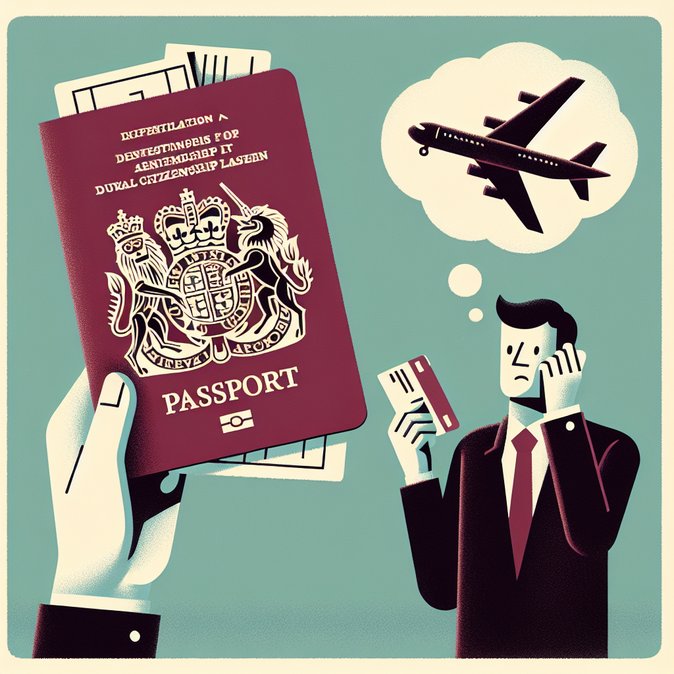
Britain’s long-planned shift to a fully digital immigration system is about to become a reality. From 25 February 2026, the Home Office will stop issuing vignette stickers, biometric residence permits (BRPs), paper entry stamps and other physical evidence of status. Instead, every successful visitor-visa applicant will receive an electronic visa (eVisa) that is linked directly to the passport they use for travel and stored in a UK Visas & Immigration (UKVI) online account.
The change is the most visible step in the UK’s multi-year Border 2025 programme, which aims to create a “digital by default” frontier similar to Australia’s. Border Force officers will read travellers’ passports, query the underlying eVisa or Electronic Travel Authorisation (ETA) record in seconds and grant entry without stamping. The Home Office says digital status will cut administrative costs, curb document fraud and allow faster analytics-based security screening.
For employers and global mobility managers the implications are immediate. Visa holders must ensure the passport they present at check-in matches the document stored in their UKVI account; if they renew a passport, they will have to update the eVisa record before travelling. Carriers will run automated “permission-to-travel” checks: passengers who cannot present a valid eVisa or ETA will receive a ‘no-board’ message similar to the U.S. ESTA system. Travel policies should therefore instruct assignees and business visitors to log in to the UKVI portal well before departure to confirm that their data are correct.
![UK to Scrap Physical Visa Stickers and Switch Fully to eVisas from 25 February 2026]()
For travellers and organisations who would like expert help navigating these new digital requirements, VisaHQ’s UK team offers end-to-end assistance – from securing the initial eVisa or ETA to updating passport details in an existing UKVI account. Their easy-to-use platform (https://www.visahq.com/united-kingdom/) streamlines applications, provides real-time status alerts and lets mobility teams oversee multiple travellers in one dashboard, reducing the risk of last-minute ‘no-board’ surprises.
Existing BRP and BRC holders will be migrated automatically during 2026, but mobility teams should brief employees that they will no longer receive replacement cards. Where physical documents are required for right-to-work or right-to-rent checks, employers will instead use the Home Office online checking service.
Ultimately the eVisa roll-out completes the digital border “tripod”: Advance Passenger Information sent by carriers, the new ETA for visa-exempt nationals, and eVisas for visa holders. With all three in place, the UK aims to close the last paper loopholes, reduce queues at e-gates and free up officers to focus on high-risk travellers.
The change is the most visible step in the UK’s multi-year Border 2025 programme, which aims to create a “digital by default” frontier similar to Australia’s. Border Force officers will read travellers’ passports, query the underlying eVisa or Electronic Travel Authorisation (ETA) record in seconds and grant entry without stamping. The Home Office says digital status will cut administrative costs, curb document fraud and allow faster analytics-based security screening.
For employers and global mobility managers the implications are immediate. Visa holders must ensure the passport they present at check-in matches the document stored in their UKVI account; if they renew a passport, they will have to update the eVisa record before travelling. Carriers will run automated “permission-to-travel” checks: passengers who cannot present a valid eVisa or ETA will receive a ‘no-board’ message similar to the U.S. ESTA system. Travel policies should therefore instruct assignees and business visitors to log in to the UKVI portal well before departure to confirm that their data are correct.

For travellers and organisations who would like expert help navigating these new digital requirements, VisaHQ’s UK team offers end-to-end assistance – from securing the initial eVisa or ETA to updating passport details in an existing UKVI account. Their easy-to-use platform (https://www.visahq.com/united-kingdom/) streamlines applications, provides real-time status alerts and lets mobility teams oversee multiple travellers in one dashboard, reducing the risk of last-minute ‘no-board’ surprises.
Existing BRP and BRC holders will be migrated automatically during 2026, but mobility teams should brief employees that they will no longer receive replacement cards. Where physical documents are required for right-to-work or right-to-rent checks, employers will instead use the Home Office online checking service.
Ultimately the eVisa roll-out completes the digital border “tripod”: Advance Passenger Information sent by carriers, the new ETA for visa-exempt nationals, and eVisas for visa holders. With all three in place, the UK aims to close the last paper loopholes, reduce queues at e-gates and free up officers to focus on high-risk travellers.