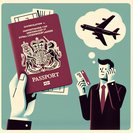
The Times has obtained industry briefings confirming that, from 25 February 2026, dual British citizens boarding a flight to the UK must show either a valid British passport or a foreign passport containing a Certificate of Entitlement to the Right of Abode. The policy, first set out in 2024 as part of preparations for the Electronic Travel Authorisation regime, is now being written into carrier operating instructions. Airlines such as Ryanair, British Airways and Emirates say their systems will automatically block check-in where a passenger self-declares UK nationality but the travel document presented is not a British passport.
The change closes a long-standing loophole that allowed many dual citizens—particularly Australians, New Zealanders and South Africans with British parentage—to travel on their foreign passport without incident. Under the digital border model, that practice breaks the data chain needed to verify a traveller’s status before arrival. For carriers, non-compliance carries penalties of up to £5,000 per passenger and potential suspension of route licences for repeat offences.
![New UK Passport Rules for Dual Nationals Trigger Airline ‘No-Board’ Warnings]()
If navigating these new rules feels daunting, VisaHQ can streamline the process—whether you need a British passport renewal, a Certificate of Entitlement or an emergency travel document. Their specialists handle paperwork end-to-end and monitor processing times, saving you from costly errors. Full details are available at https://www.visahq.com/united-kingdom/
Families with children are particularly affected because minors often hold only the non-UK passport of their country of birth. The Home Office insists the policy has been widely publicised, yet travel agents report a surge in frantic enquiries and last-minute passport applications.
Global mobility teams should audit assignee populations for dual nationals and budget extra time for passport renewals or CoE applications (fee £589). Where necessary, emergency travel documents can be issued, but they are valid for a single journey and cannot be used for onward travel in the EU Schengen Area.
The change closes a long-standing loophole that allowed many dual citizens—particularly Australians, New Zealanders and South Africans with British parentage—to travel on their foreign passport without incident. Under the digital border model, that practice breaks the data chain needed to verify a traveller’s status before arrival. For carriers, non-compliance carries penalties of up to £5,000 per passenger and potential suspension of route licences for repeat offences.

If navigating these new rules feels daunting, VisaHQ can streamline the process—whether you need a British passport renewal, a Certificate of Entitlement or an emergency travel document. Their specialists handle paperwork end-to-end and monitor processing times, saving you from costly errors. Full details are available at https://www.visahq.com/united-kingdom/
Families with children are particularly affected because minors often hold only the non-UK passport of their country of birth. The Home Office insists the policy has been widely publicised, yet travel agents report a surge in frantic enquiries and last-minute passport applications.
Global mobility teams should audit assignee populations for dual nationals and budget extra time for passport renewals or CoE applications (fee £589). Where necessary, emergency travel documents can be issued, but they are valid for a single journey and cannot be used for onward travel in the EU Schengen Area.