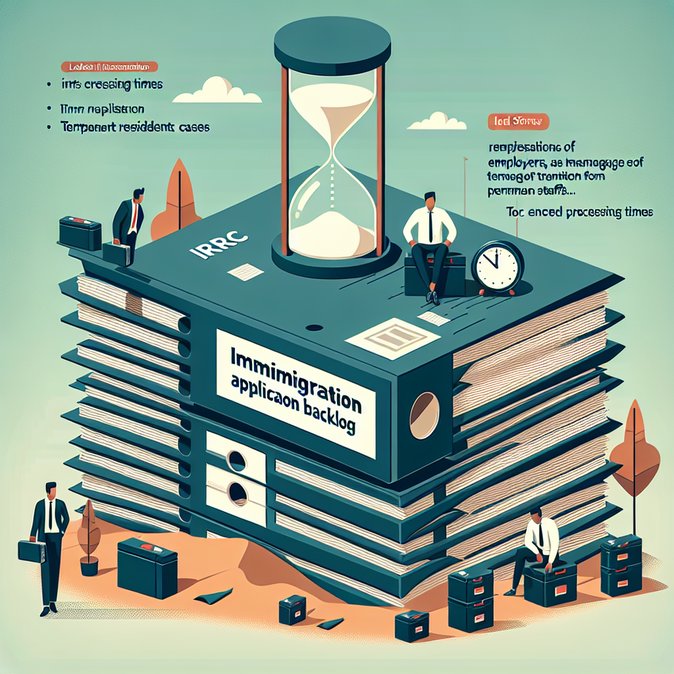
New IRCC inventory data released on February 17, 2026 – and analysed on February 18 – show total pending applications across all lines of business hitting 1,014,700, up nearly 9,000 since November. The permanent-residence queue now accounts for more than half of the backlog, even as temporary-residence numbers inch downward.
The surge comes despite a series of digital reforms and staffing reallocations. Sources inside IRCC note that heavier security screening, a spike in complex PR applications and transfers of temporary residents to PR streams are stretching resources. Processing times for some Provincial Nominee streams have crept above 20 months, while spousal sponsorships remain at 13 months on average.
For employers, the growing PR backlog raises retention and compliance risks. Foreign workers waiting beyond work-permit validity may need Bridging Open Work Permits or maintained status, adding administrative overhead. HR practitioners should audit expiration dates and budget for premium processing where available.
![IRCC Backlog Tops One Million as Permanent-Residence Inventory Swells]()
A practical way to stay ahead of these challenges is to leverage third-party visa support. VisaHQ, for instance, provides an intuitive online platform and experienced consultants who can track document expiry, flag status issues, and assemble complete submission packages for Canadian visas and permits. Getting started at https://www.visahq.com/canada/ takes just a few minutes and helps ensure applications are ready to move as soon as IRCC capacity improves.
IRCC says additional AI-assisted triage tools will be rolled out in Q2 2026, and that the inventory size should start declining as the new Express Entry categories focus invitations on smaller, more tailored pools.
Nevertheless, mobility teams should plan for prolonged uncertainty and communicate realistic timelines to assignees seeking permanent residency.
The surge comes despite a series of digital reforms and staffing reallocations. Sources inside IRCC note that heavier security screening, a spike in complex PR applications and transfers of temporary residents to PR streams are stretching resources. Processing times for some Provincial Nominee streams have crept above 20 months, while spousal sponsorships remain at 13 months on average.
For employers, the growing PR backlog raises retention and compliance risks. Foreign workers waiting beyond work-permit validity may need Bridging Open Work Permits or maintained status, adding administrative overhead. HR practitioners should audit expiration dates and budget for premium processing where available.

A practical way to stay ahead of these challenges is to leverage third-party visa support. VisaHQ, for instance, provides an intuitive online platform and experienced consultants who can track document expiry, flag status issues, and assemble complete submission packages for Canadian visas and permits. Getting started at https://www.visahq.com/canada/ takes just a few minutes and helps ensure applications are ready to move as soon as IRCC capacity improves.
IRCC says additional AI-assisted triage tools will be rolled out in Q2 2026, and that the inventory size should start declining as the new Express Entry categories focus invitations on smaller, more tailored pools.
Nevertheless, mobility teams should plan for prolonged uncertainty and communicate realistic timelines to assignees seeking permanent residency.