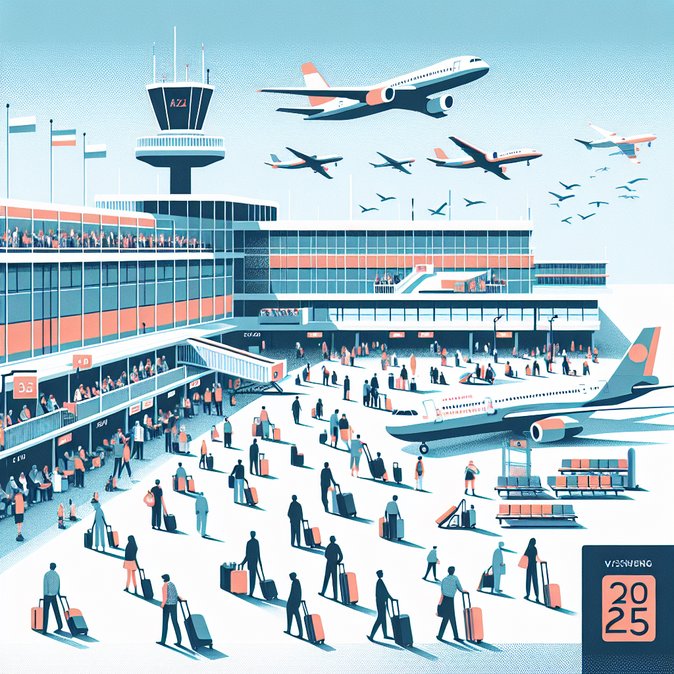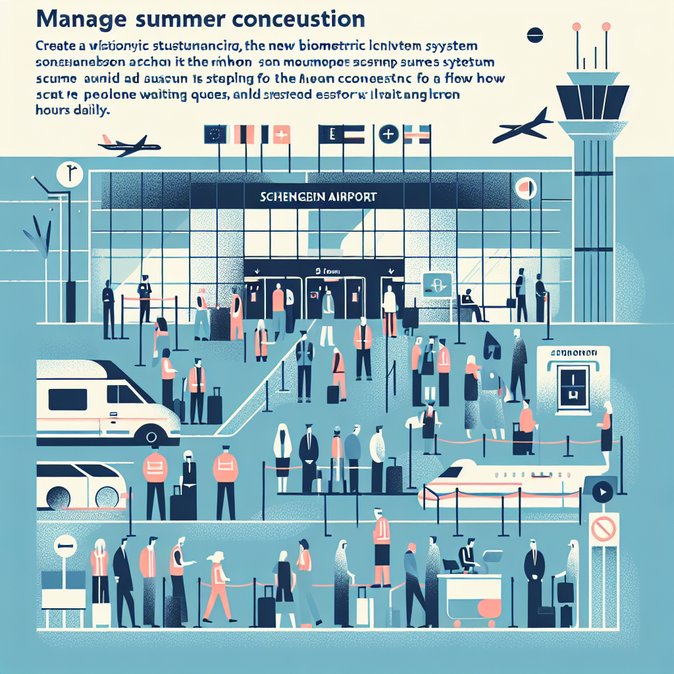
The European Commission confirmed last night that Schengen members – including Austria – may temporarily suspend the new Entry/Exit System (EES) for up to six hours a day during peak periods between April and early September 2026. The clarification follows intense lobbying by Airports Council International Europe and IATA, which warned that first-time biometric enrolment queues could exceed four hours this summer.
EES, already in pilot use at select terminals, replaces manual passport stamps with a database that captures facial images and fingerprints for non-EU travellers. While repeat visits should be faster, Austrian border-police simulations at Vienna and Salzburg airports show that initial processing can treble transaction times if several wide-body flights arrive together.
Travellers and corporate mobility managers looking to minimise friction at the new EES checkpoints can also tap VisaHQ’s Austria platform (https://www.visahq.com/austria/). The service aggregates the latest visa and entry rules, offers application support and appointment scheduling, and alerts users to documentation changes—helping reduce the risk of unexpected holdups when the biometric system goes live.
![Schengen States Allowed to Pause New Biometric Border System; Austrian Airports Plan Summer Contingencies]()
In response, Vienna Airport says it will adopt a “dynamic lane” model, redeploying staff from security to immigration and pre-registering transfer passengers during layovers. The Interior Ministry has authorised an additional 120 officers for the summer timetable and is negotiating with the airport authority to extend e-gate eligibility to selected third-country frequent-flyer programmes.
For companies moving talent into Austria, the respite window offers breathing space but not a reprieve: full EES enforcement still begins on 10 April. Mobility teams should brief travellers to allow extra time, especially on Monday mornings and Friday evenings, and consider routing via Munich or Zurich until enrolment backlogs clear. Austrian tour operators are meanwhile urging the government to use the opt-out aggressively if delays threaten connecting flights, arguing that missed onward legs would damage the country’s congress and events sector.
Long term, Vienna is exploring permanent “off-airport” biometric kiosks at major convention centres and hotel lobbies – a pilot that, if approved by Brussels, could become a template for other mid-size Schengen hubs.
EES, already in pilot use at select terminals, replaces manual passport stamps with a database that captures facial images and fingerprints for non-EU travellers. While repeat visits should be faster, Austrian border-police simulations at Vienna and Salzburg airports show that initial processing can treble transaction times if several wide-body flights arrive together.
Travellers and corporate mobility managers looking to minimise friction at the new EES checkpoints can also tap VisaHQ’s Austria platform (https://www.visahq.com/austria/). The service aggregates the latest visa and entry rules, offers application support and appointment scheduling, and alerts users to documentation changes—helping reduce the risk of unexpected holdups when the biometric system goes live.
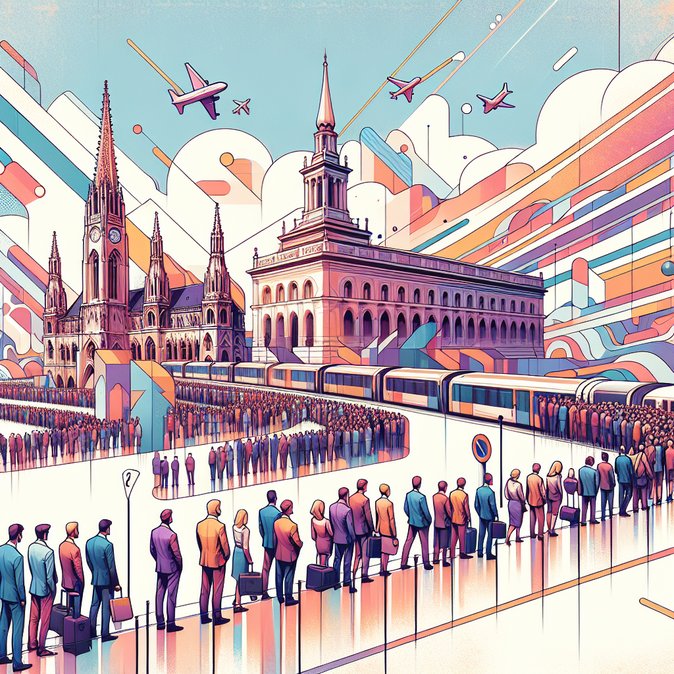
In response, Vienna Airport says it will adopt a “dynamic lane” model, redeploying staff from security to immigration and pre-registering transfer passengers during layovers. The Interior Ministry has authorised an additional 120 officers for the summer timetable and is negotiating with the airport authority to extend e-gate eligibility to selected third-country frequent-flyer programmes.
For companies moving talent into Austria, the respite window offers breathing space but not a reprieve: full EES enforcement still begins on 10 April. Mobility teams should brief travellers to allow extra time, especially on Monday mornings and Friday evenings, and consider routing via Munich or Zurich until enrolment backlogs clear. Austrian tour operators are meanwhile urging the government to use the opt-out aggressively if delays threaten connecting flights, arguing that missed onward legs would damage the country’s congress and events sector.
Long term, Vienna is exploring permanent “off-airport” biometric kiosks at major convention centres and hotel lobbies – a pilot that, if approved by Brussels, could become a template for other mid-size Schengen hubs.