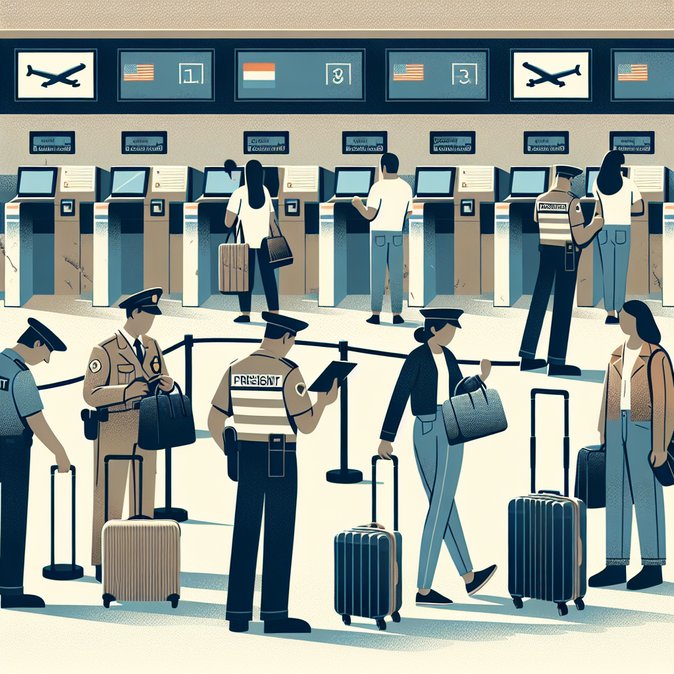
Early-morning passengers at Hong Kong International Airport got more drama than dim sum on 16 February when a 35-year-old foreign national toppled ten self-check-in kiosks in the departure hall and battered them with a queue stanchion. Police arrived within minutes, arresting the man on suspicion of criminal damage and possession of a Part-One poison after finding a small quantity of controlled drugs.
The incident—captured on smartphone video and viewed millions of times within hours—caused only minor flight-check-in delays but reignited debate about terminal security as HKIA prepares for record holiday crowds. Airport Authority engineers cordoned off the damaged stations and diverted travellers to adjacent counters; full service was restored by midday.
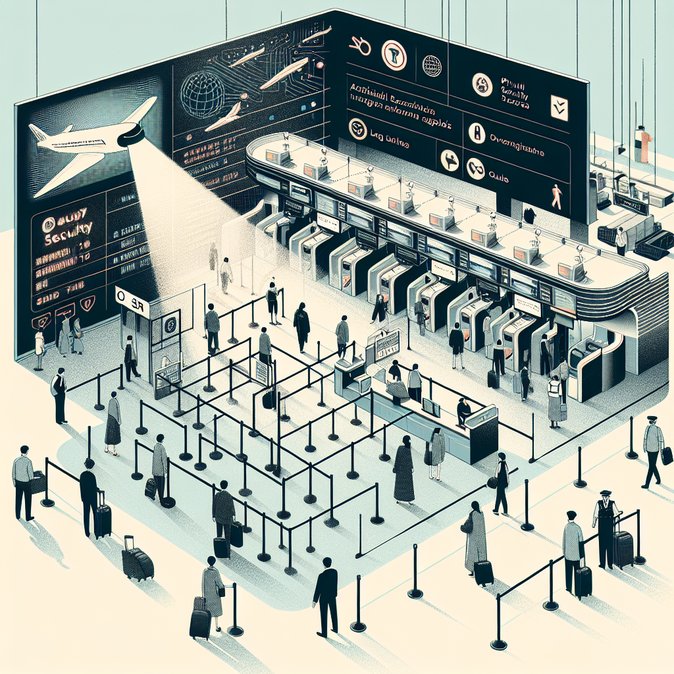
![Viral Video Shows Foreign Traveller Smashing 10 Self-Check-in Kiosks at HKIA]()
Before even arriving at the airport, travellers can avoid another common headache—visa issues—by using VisaHQ’s streamlined online service (https://www.visahq.com/hong-kong/). The platform walks applicants through entry-requirement checks, paperwork submission and real-time status tracking, helping ensure they reach the kiosk with documents in order.
Self-service technology has been central to HKIA’s post-pandemic staffing model: more than 130 kiosks handle 40 per cent of departing passengers, reducing queue times by up to 30 minutes during peaks. The attack exposed a vulnerability: kiosks are bolted rather than anchored, allowing them to be tipped if sufficient force is applied. Airport management says additional floor-mounting brackets and CCTV analytics will be installed this week, and frontline staff have received refresher de-escalation training.
Travel-risk managers should brief assignees that security response times remain rapid but advise arriving three hours before departure during the New-Year rush while kiosk capacity is partially reduced.
The incident—captured on smartphone video and viewed millions of times within hours—caused only minor flight-check-in delays but reignited debate about terminal security as HKIA prepares for record holiday crowds. Airport Authority engineers cordoned off the damaged stations and diverted travellers to adjacent counters; full service was restored by midday.
Before even arriving at the airport, travellers can avoid another common headache—visa issues—by using VisaHQ’s streamlined online service (https://www.visahq.com/hong-kong/). The platform walks applicants through entry-requirement checks, paperwork submission and real-time status tracking, helping ensure they reach the kiosk with documents in order.
Self-service technology has been central to HKIA’s post-pandemic staffing model: more than 130 kiosks handle 40 per cent of departing passengers, reducing queue times by up to 30 minutes during peaks. The attack exposed a vulnerability: kiosks are bolted rather than anchored, allowing them to be tipped if sufficient force is applied. Airport management says additional floor-mounting brackets and CCTV analytics will be installed this week, and frontline staff have received refresher de-escalation training.
Travel-risk managers should brief assignees that security response times remain rapid but advise arriving three hours before departure during the New-Year rush while kiosk capacity is partially reduced.