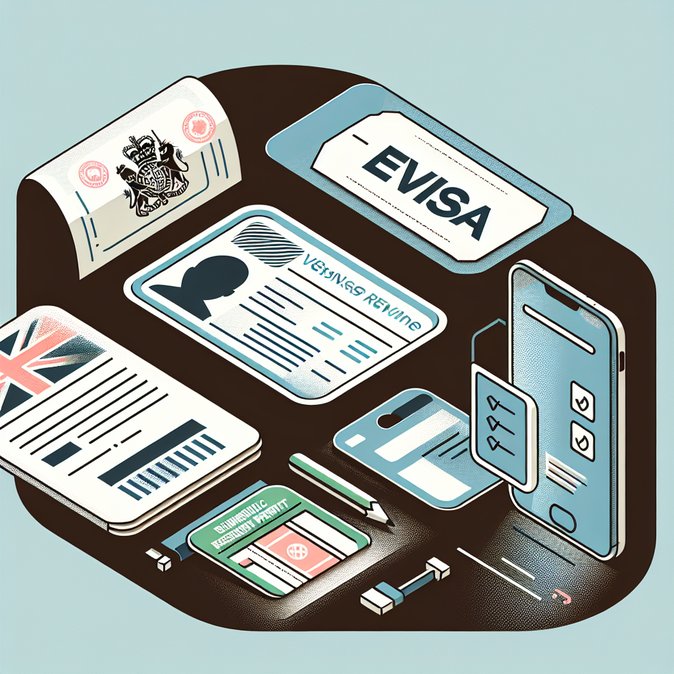
After nearly three years of phased rollout, UK Visas & Immigration (UKVI) has confirmed that, from 25 February 2026, it will cease issuing physical visa vignettes and Biometric Residence Permits (BRPs). All new grants of leave—visitor, work and settlement—will be recorded solely as ‘eVisas’ accessible through a UKVI online account linked to the traveller’s passport.
The change represents the final milestone in the Home Office’s ‘Digital by Default’ borders strategy. Since late 2024, BRP cards have carried an auto-expiry date of 31 December 2024 even where leave ran longer, forcing holders to create digital accounts. A grace period, twice extended, allowed expired BRPs to be used for travel until June 2025. That window is now closed.
For employers the implications are significant. Right-to-work checks must now be completed via the Home Office online service; photocopies of BRPs are no longer valid evidence. International assignees must ensure the passport in their UKVI account is the same one they present at the e-gate; renewing or replacing a passport without updating the account will trigger a carrier ‘no-fly’ response. Global mobility teams should audit staff well in advance of business-critical travel after 25 February.
![UK completes switch to eVisas, ending physical vignettes and BRP cards]()
Companies and individuals concerned about staying compliant during this transition can turn to VisaHQ for guidance. Our London-based specialists monitor UKVI updates daily and can help employees set up their eVisa accounts, update passport details, and run mock right-to-work checks ahead of travel. Visit https://www.visahq.com/united-kingdom/ to learn how VisaHQ can streamline your organisation’s immigration processes.
Carriers are integrating real-time status checks into departure-control systems, similar to Australia’s Advance Passenger Processing. Industry bodies welcome the security benefits but warn of teething troubles: mismatched passport numbers already account for 12 per cent of ‘authority to carry refused’ messages, according to Carrier Support Desk data.
The Home Office argues that eVisas will save £40 million a year in production and courier costs, reduce fraud and support the longer-term goal of a completely contactless border. The next step will be to embed eVisa verification in airlines’ mobile check-in apps, enabling travellers to receive boarding passes only when permission to travel has been confirmed.
The change represents the final milestone in the Home Office’s ‘Digital by Default’ borders strategy. Since late 2024, BRP cards have carried an auto-expiry date of 31 December 2024 even where leave ran longer, forcing holders to create digital accounts. A grace period, twice extended, allowed expired BRPs to be used for travel until June 2025. That window is now closed.
For employers the implications are significant. Right-to-work checks must now be completed via the Home Office online service; photocopies of BRPs are no longer valid evidence. International assignees must ensure the passport in their UKVI account is the same one they present at the e-gate; renewing or replacing a passport without updating the account will trigger a carrier ‘no-fly’ response. Global mobility teams should audit staff well in advance of business-critical travel after 25 February.

Companies and individuals concerned about staying compliant during this transition can turn to VisaHQ for guidance. Our London-based specialists monitor UKVI updates daily and can help employees set up their eVisa accounts, update passport details, and run mock right-to-work checks ahead of travel. Visit https://www.visahq.com/united-kingdom/ to learn how VisaHQ can streamline your organisation’s immigration processes.
Carriers are integrating real-time status checks into departure-control systems, similar to Australia’s Advance Passenger Processing. Industry bodies welcome the security benefits but warn of teething troubles: mismatched passport numbers already account for 12 per cent of ‘authority to carry refused’ messages, according to Carrier Support Desk data.
The Home Office argues that eVisas will save £40 million a year in production and courier costs, reduce fraud and support the longer-term goal of a completely contactless border. The next step will be to embed eVisa verification in airlines’ mobile check-in apps, enabling travellers to receive boarding passes only when permission to travel has been confirmed.