Belgium’s three largest trade-union confederations (FGTB, CSC and CGSLB) formally served 24-hour strike notice for Tuesday 12 March 2026 in protest against stalled wage-indexation talks. Although the action targets both public and private sectors, Brussels Airport Company warned on 17 February that security screeners, baggage handlers and air-traffic controllers are likely to join the walk-out, making it impossible to operate departing flights.
Airport CEO Arnaud Feist told reporters that a complete shutdown of outbound traffic is now the "most realistic scenario". While arriving aircraft can still land with reduced staff, all passenger and cargo departures would be cancelled from 00:01 to 23:59 local time. The airport handled some 65,000 passengers on the comparable Tuesday last year, underlining the scale of the potential disruption.
Multinational employers with assignment hubs in Belgium are already revising travel dates and re-routing critical shipments. Freight forwarders say high-value life-sciences cargo normally flown from Brussels is being switched to Liège, Luxembourg and Frankfurt, raising costs by 8-15 %. HR teams have begun alerting mobile staff and asking travellers to schedule consular appointments for entry visas either before 11 March or after 13 March.
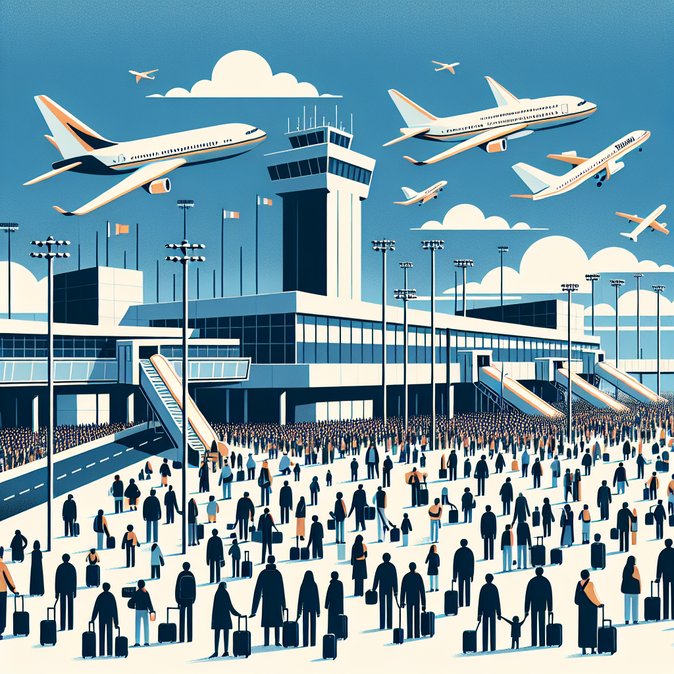
![Nation-Wide Strike Threat Could Ground All Departures at Brussels Airport on 12 March]()
To ease that administrative burden, companies can turn to VisaHQ, an online visa and passport expeditor that operates a dedicated Belgium page (https://www.visahq.com/belgium/). The platform lets travelers verify entry requirements, secure embassy appointments and process visa applications remotely, giving mobility managers a quick workaround when strike-related schedule changes threaten to upend carefully timed paperwork.
Unlike previous industrial actions that allowed a skeleton service, unions have not agreed to a "minimum operations" protocol, meaning even connecting passengers transiting Brussels risk being stranded. Companies are advised to monitor the airport’s NOTAMs, encourage employees to register for airline travel-alert apps, and review force-majeure clauses in client contracts covering missed meetings or late deliveries.
The last 24-hour general strike in November 2024 cost Belgian businesses an estimated €200 million in lost productivity. With inflation still running at 4.1 %, unions insist index-linked wage rises are non-negotiable. If no compromise emerges, global mobility managers should brace for knock-on effects, including backlogs at immigration controls once normal operations resume.
Airport CEO Arnaud Feist told reporters that a complete shutdown of outbound traffic is now the "most realistic scenario". While arriving aircraft can still land with reduced staff, all passenger and cargo departures would be cancelled from 00:01 to 23:59 local time. The airport handled some 65,000 passengers on the comparable Tuesday last year, underlining the scale of the potential disruption.
Multinational employers with assignment hubs in Belgium are already revising travel dates and re-routing critical shipments. Freight forwarders say high-value life-sciences cargo normally flown from Brussels is being switched to Liège, Luxembourg and Frankfurt, raising costs by 8-15 %. HR teams have begun alerting mobile staff and asking travellers to schedule consular appointments for entry visas either before 11 March or after 13 March.

To ease that administrative burden, companies can turn to VisaHQ, an online visa and passport expeditor that operates a dedicated Belgium page (https://www.visahq.com/belgium/). The platform lets travelers verify entry requirements, secure embassy appointments and process visa applications remotely, giving mobility managers a quick workaround when strike-related schedule changes threaten to upend carefully timed paperwork.
Unlike previous industrial actions that allowed a skeleton service, unions have not agreed to a "minimum operations" protocol, meaning even connecting passengers transiting Brussels risk being stranded. Companies are advised to monitor the airport’s NOTAMs, encourage employees to register for airline travel-alert apps, and review force-majeure clauses in client contracts covering missed meetings or late deliveries.
The last 24-hour general strike in November 2024 cost Belgian businesses an estimated €200 million in lost productivity. With inflation still running at 4.1 %, unions insist index-linked wage rises are non-negotiable. If no compromise emerges, global mobility managers should brace for knock-on effects, including backlogs at immigration controls once normal operations resume.