A partial U.S. government shutdown that froze Transportation Security Administration (TSA) funding is reverberating across the Atlantic, with Finnish passengers among those facing longer queues and potential missed connections, Travel and Tour World reported on 16 February. (travelandtourworld.com)
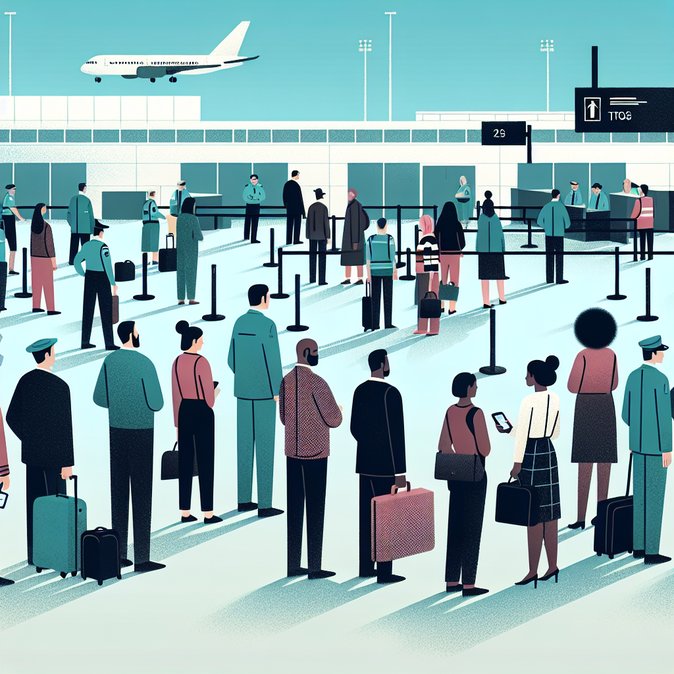
Because TSA officers are working unpaid, absenteeism has spiked, leading to bottlenecks at U.S. airports. Airlines are holding departures to allow passengers extra time to clear security, and the resulting schedule creep is flowing back into European hubs. Helsinki-Vantaa—where Finnair operates multiple U.S. codeshare flights—warned ground-handlers to expect irregular arrival waves over the next week.
Travellers suddenly needing to reroute through unfamiliar airports should also double-check transit visa rules. VisaHQ’s Finland portal (https://www.visahq.com/finland/) lets Finnish passengers and corporate travel managers confirm entry requirements and secure express visas online, reducing one more headache amid the shutdown-driven disruption.
![TSA funding freeze in U.S. creates knock-on delays for Finnish travellers]()
Business travellers are most exposed: missed onward flights from Chicago or JFK trigger costly re-tickets and hotel stays that corporate policies must cover. Mobility teams should advise staff to build three-hour buffers and to use airline apps that re-book automatically if minimum connection times are breached.
Finnish exporters shipping time-sensitive samples via passenger bellies may also feel the pinch; delayed wide-body rotations mean some consignments will reroute through Canada or Iceland until TSA staffing stabilises.
While the FAA remains fully funded—so air-traffic control is unaffected—analysts warn the cumulative effect of security slow-downs could produce a spike in EU261 compensation claims for flights departing Europe. Companies should retain boarding passes and receipts to pursue refunds.
Because TSA officers are working unpaid, absenteeism has spiked, leading to bottlenecks at U.S. airports. Airlines are holding departures to allow passengers extra time to clear security, and the resulting schedule creep is flowing back into European hubs. Helsinki-Vantaa—where Finnair operates multiple U.S. codeshare flights—warned ground-handlers to expect irregular arrival waves over the next week.
Travellers suddenly needing to reroute through unfamiliar airports should also double-check transit visa rules. VisaHQ’s Finland portal (https://www.visahq.com/finland/) lets Finnish passengers and corporate travel managers confirm entry requirements and secure express visas online, reducing one more headache amid the shutdown-driven disruption.
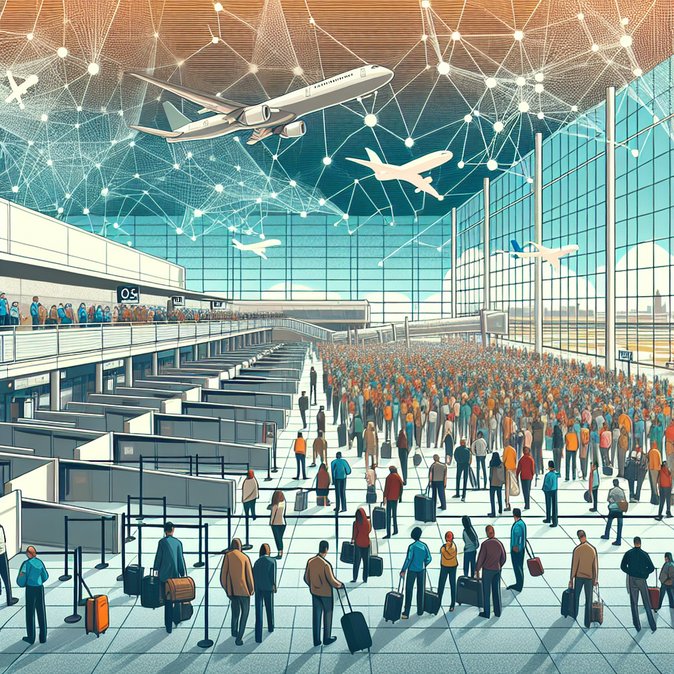
Business travellers are most exposed: missed onward flights from Chicago or JFK trigger costly re-tickets and hotel stays that corporate policies must cover. Mobility teams should advise staff to build three-hour buffers and to use airline apps that re-book automatically if minimum connection times are breached.
Finnish exporters shipping time-sensitive samples via passenger bellies may also feel the pinch; delayed wide-body rotations mean some consignments will reroute through Canada or Iceland until TSA staffing stabilises.
While the FAA remains fully funded—so air-traffic control is unaffected—analysts warn the cumulative effect of security slow-downs could produce a spike in EU261 compensation claims for flights departing Europe. Companies should retain boarding passes and receipts to pursue refunds.