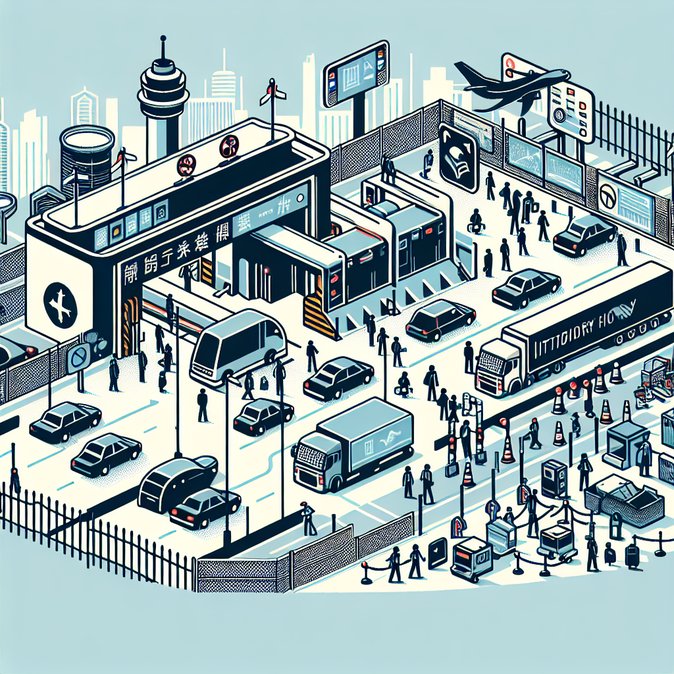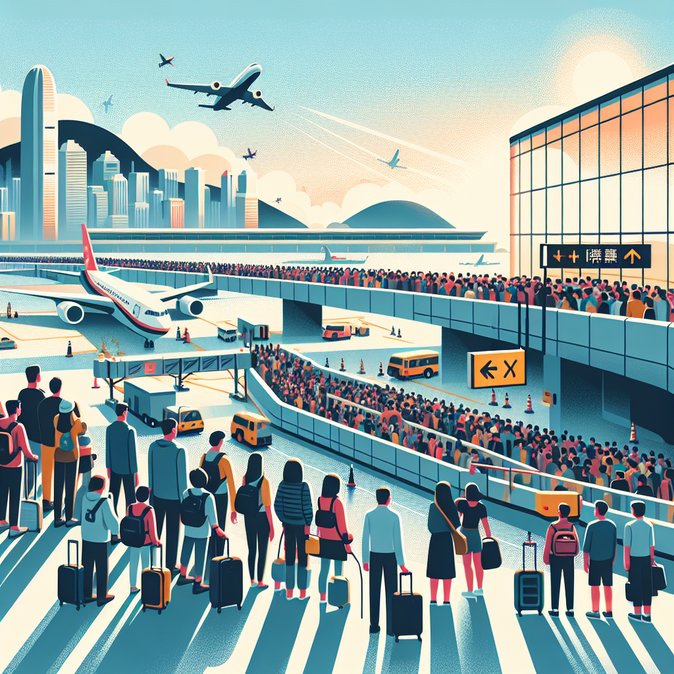
On Saturday, 14 February 2026, Valentine’s Day doubled as the getaway date for thousands of Hongkongers starting a self-made nine-day Lunar New Year break. South China Morning Post reporters saw queues hundreds long at HK Express counters, while Immigration Department loudspeaker announcements urged passengers to proceed swiftly to departure immigration to avoid congestion.(scmp.com)
The Immigration Department predicts 11.38 million inbound and outbound trips between 14 and 23 February, about 16 per cent more than last year’s holiday window. So far, more than half a million residents have exited the city, with 59,626 departing via HKIA and another 140,000 using the high-speed rail and land checkpoints.
Popular outbound destinations include Japan, Thailand, Taiwan and Malaysia—countries whose e-Gate or visa-on-arrival schemes make them attractive for short breaks. Travel agencies say airfares to Osaka and Taipei are up 20 per cent on last year, yet flights remain nearly full. The Airport Authority has coordinated with airlines to add over 150 ad-hoc flights during the holiday.
![Airport queues form as Hongkongers start nine-day New Year getaways; Immigration forecasts 11.38 million trips]()
Whether you’re jetting off to Sapporo’s snow festivals or Phuket’s beaches, clearing up visa questions early can smooth the journey; VisaHQ’s Hong Kong portal (https://www.visahq.com/hong-kong/) lets travellers compare requirements, file e-visa applications and track approvals in one dashboard, cutting paperwork time for both leisure seekers and last-minute business flyers.
Business-travel stakeholders should expect tighter seat availability on short-haul routes through 24 February and potential delays at check-in. Companies with urgent trips are switching executives to premium-economy fare buckets, which still have inventory. Meanwhile, logistics firms warn that belly-hold cargo capacity may be constrained as passenger aircraft operate near maximum payload.
Tourism economists view the exodus as a healthy sign of consumer confidence and disposable income growth, factors that also underpin the government’s talent-attraction schemes aimed at persuading overseas professionals that Hong Kong is fully ‘open for business’ again.
The Immigration Department predicts 11.38 million inbound and outbound trips between 14 and 23 February, about 16 per cent more than last year’s holiday window. So far, more than half a million residents have exited the city, with 59,626 departing via HKIA and another 140,000 using the high-speed rail and land checkpoints.
Popular outbound destinations include Japan, Thailand, Taiwan and Malaysia—countries whose e-Gate or visa-on-arrival schemes make them attractive for short breaks. Travel agencies say airfares to Osaka and Taipei are up 20 per cent on last year, yet flights remain nearly full. The Airport Authority has coordinated with airlines to add over 150 ad-hoc flights during the holiday.

Whether you’re jetting off to Sapporo’s snow festivals or Phuket’s beaches, clearing up visa questions early can smooth the journey; VisaHQ’s Hong Kong portal (https://www.visahq.com/hong-kong/) lets travellers compare requirements, file e-visa applications and track approvals in one dashboard, cutting paperwork time for both leisure seekers and last-minute business flyers.
Business-travel stakeholders should expect tighter seat availability on short-haul routes through 24 February and potential delays at check-in. Companies with urgent trips are switching executives to premium-economy fare buckets, which still have inventory. Meanwhile, logistics firms warn that belly-hold cargo capacity may be constrained as passenger aircraft operate near maximum payload.
Tourism economists view the exodus as a healthy sign of consumer confidence and disposable income growth, factors that also underpin the government’s talent-attraction schemes aimed at persuading overseas professionals that Hong Kong is fully ‘open for business’ again.
More From Hong Kong
View all
Mainland tourists pour into Hong Kong as nine-day Lunar New Year ‘Golden Week’ begins
Hong Kong International Airport posts 5.5 million passengers in January, braces for 210,000-passenger peak days over holiday