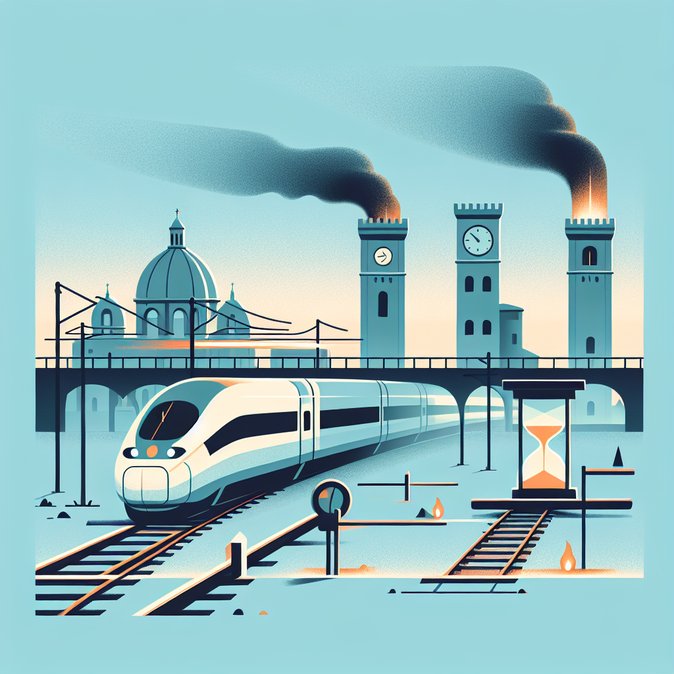
Italian rail operator Rete Ferroviaria Italiana (RFI) has confirmed that two separate acts of arson damaged signal-control cables on the Rome–Naples and Rome–Florence high-speed corridors early on 14 February, forcing trains to crawl at reduced speed and triggering delays of up to 90 minutes at Rome Termini. A third incident between Capena and Gallese is under investigation.
The attacks come exactly one week after anarchist groups claimed responsibility for burning wiring near Bologna on the first full day of the Winter Olympics. Transport Minister Matteo Salvini condemned the new incidents as “heinous criminal acts against workers and against Italy,” pledging reinforced patrols along key rail arteries.
![Suspected sabotage again halts high-speed trains on Rome–Naples and Rome–Florence lines]()
For international travelers suddenly rearranging itineraries, VisaHQ can help smooth the process by securing any necessary visas or travel documents quickly through its digital platform and concierge service (https://www.visahq.com/italy/). Whether staff are rerouting through alternate airports or extending stays while rail links are restored, the service removes paperwork headaches so companies can focus on keeping business moving.
For corporate mobility planners, the immediate impact is missed connections between Milan, Rome and Naples—Italy’s most heavily trafficked business triangle. Trenitalia’s Frecciarossa and rival Italo have activated emergency commercial policies that allow ticket changes without penalty, but seat availability is tight as Olympic spectators shift to road or air.
Longer-term, the sabotage underscores the vulnerability of Italy’s rail backbone at a time when companies are deliberately shifting executives and freight from short-haul flights to high-speed lines to meet ESG targets. Security audits of critical infrastructure are likely to accelerate, and employers with regular staff movements between northern factories and southern logistics hubs should consider multimodal backup plans.
The attacks come exactly one week after anarchist groups claimed responsibility for burning wiring near Bologna on the first full day of the Winter Olympics. Transport Minister Matteo Salvini condemned the new incidents as “heinous criminal acts against workers and against Italy,” pledging reinforced patrols along key rail arteries.

For international travelers suddenly rearranging itineraries, VisaHQ can help smooth the process by securing any necessary visas or travel documents quickly through its digital platform and concierge service (https://www.visahq.com/italy/). Whether staff are rerouting through alternate airports or extending stays while rail links are restored, the service removes paperwork headaches so companies can focus on keeping business moving.
For corporate mobility planners, the immediate impact is missed connections between Milan, Rome and Naples—Italy’s most heavily trafficked business triangle. Trenitalia’s Frecciarossa and rival Italo have activated emergency commercial policies that allow ticket changes without penalty, but seat availability is tight as Olympic spectators shift to road or air.
Longer-term, the sabotage underscores the vulnerability of Italy’s rail backbone at a time when companies are deliberately shifting executives and freight from short-haul flights to high-speed lines to meet ESG targets. Security audits of critical infrastructure are likely to accelerate, and employers with regular staff movements between northern factories and southern logistics hubs should consider multimodal backup plans.