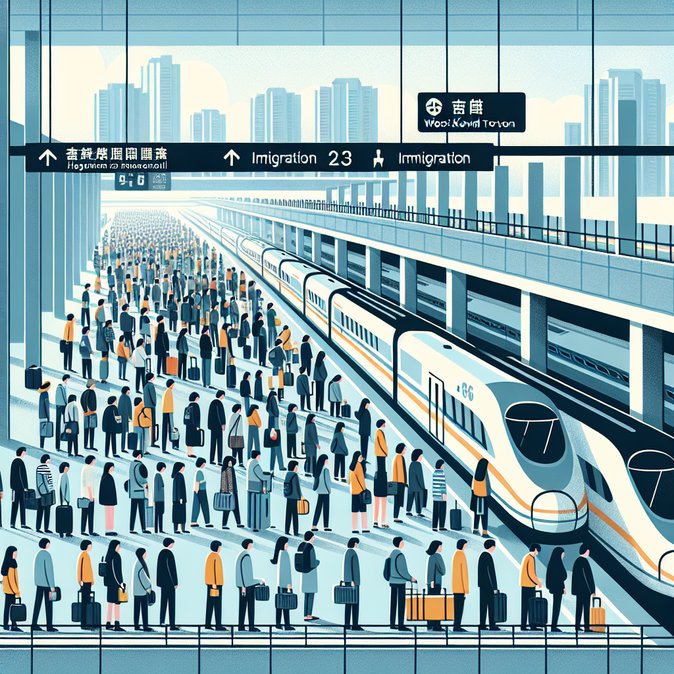
Ticket machines at West Kowloon’s high-speed-rail terminus flashed ‘Sold Out’ for long-haul services by lunchtime on February 13, yet thousands of residents still thronged the departures hall, eager to spend Lunar New Year on the mainland. HK01 reporters on site observed particular demand for Guangzhou South, Changsha and Wuhan, with passengers citing family reunions and bargain shopping as key motivators.
Travellers interviewed acknowledged that the renminbi’s recent appreciation has pushed up the cost of hotel nights and restaurant meals, but most saw little alternative. A postgraduate student from Guangdong said she had not been home for 18 months and would absorb the extra expense. A family of three estimated their ten-day trip—including lai-see money—would top HK $20,000.
For travellers carrying foreign passports who still need a valid entry permit for the mainland, VisaHQ can simplify the process. Its Hong Kong portal (https://www.visahq.com/hong-kong/) lets users complete applications online, check requirements and arrange courier pick-up of documents, cutting out embassy queues so they can secure rail seats before they vanish.
![West Kowloon station packed as Hongkongers head north despite stronger yuan]()
The Express Rail Link is running at 100 percent of pre-pandemic capacity this week. MTR Corporation has added standing-room-only carriages on selected Guangzhou services and is coordinating with mainland operators to smooth transfers. Immigration desks processed northbound passengers in under 20 minutes for most of the afternoon, aided by the recently extended e-Gate programme for frequent travellers.
Currency analysts say sustained northbound leisure spending could keep the yuan strong through the first quarter, nudging up costs for Hong Kong buyers of mainland services. Companies with manufacturing sites in the Greater Bay Area may wish to hedge short-term expenses or invoice in Hong Kong dollars where possible.
For now, the festive mood prevails. Travellers loaded with gifts and seafood coolers posed for selfies under lantern displays before boarding—the clearest sign yet that cross-border mobility has fully normalised.
Travellers interviewed acknowledged that the renminbi’s recent appreciation has pushed up the cost of hotel nights and restaurant meals, but most saw little alternative. A postgraduate student from Guangdong said she had not been home for 18 months and would absorb the extra expense. A family of three estimated their ten-day trip—including lai-see money—would top HK $20,000.
For travellers carrying foreign passports who still need a valid entry permit for the mainland, VisaHQ can simplify the process. Its Hong Kong portal (https://www.visahq.com/hong-kong/) lets users complete applications online, check requirements and arrange courier pick-up of documents, cutting out embassy queues so they can secure rail seats before they vanish.
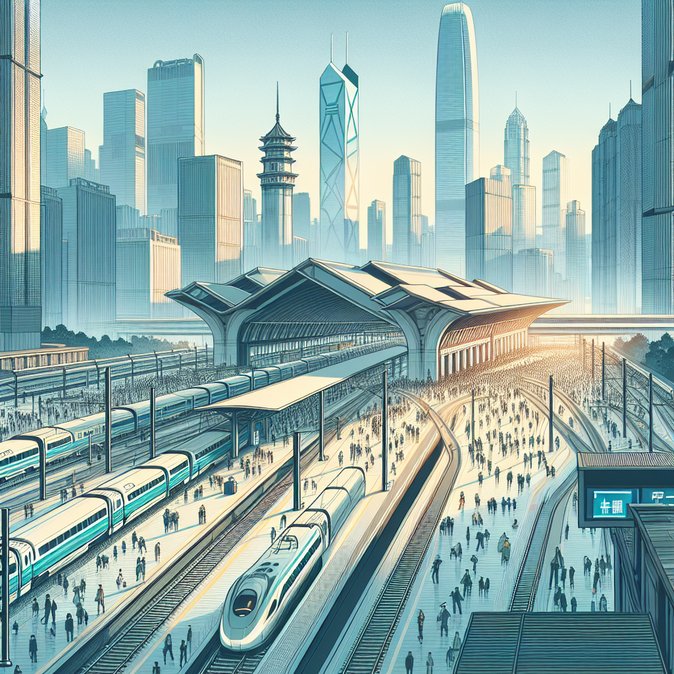
The Express Rail Link is running at 100 percent of pre-pandemic capacity this week. MTR Corporation has added standing-room-only carriages on selected Guangzhou services and is coordinating with mainland operators to smooth transfers. Immigration desks processed northbound passengers in under 20 minutes for most of the afternoon, aided by the recently extended e-Gate programme for frequent travellers.
Currency analysts say sustained northbound leisure spending could keep the yuan strong through the first quarter, nudging up costs for Hong Kong buyers of mainland services. Companies with manufacturing sites in the Greater Bay Area may wish to hedge short-term expenses or invoice in Hong Kong dollars where possible.
For now, the festive mood prevails. Travellers loaded with gifts and seafood coolers posed for selfies under lantern displays before boarding—the clearest sign yet that cross-border mobility has fully normalised.
More From Hong Kong
View all
Lunar New Year exodus: 636,000 expected to depart Hong Kong today as airport lines lengthen
Hong Kong handled record 335 million border crossings in 2025; facial-recognition e-Channel pilot to launch by June