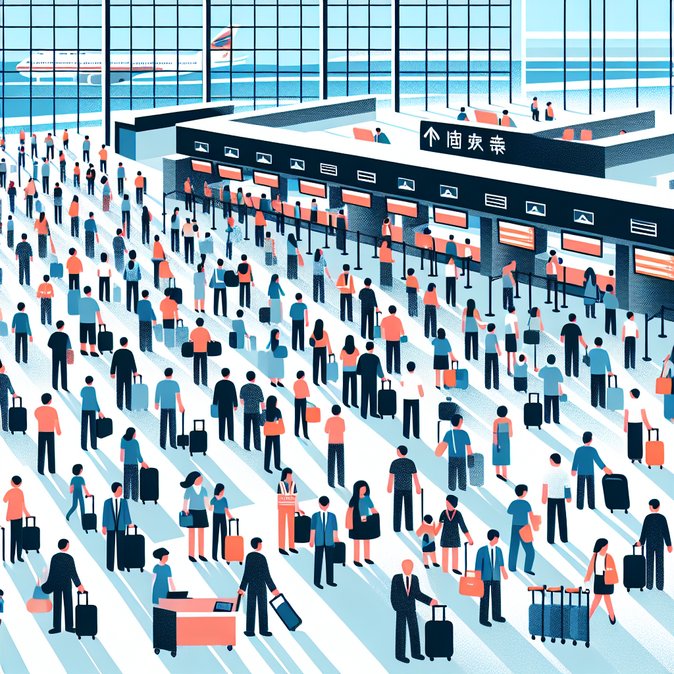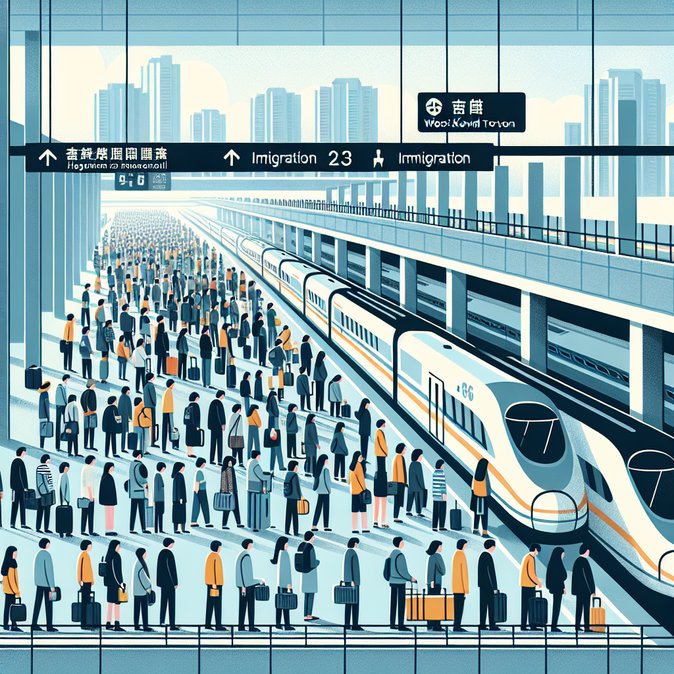
Hong Kong’s border checkpoints have never been busier. Director of Immigration Benson Kwok told reporters on February 13 that the city processed 335 million inbound and outbound passenger movements last year—12 percent more than in 2024 and the highest figure since records began. The surge reflects a full rebound of leisure visitors, a revival in cross-border commuting by mainland talent and the steady return of long-haul business travel through Chek Lap Kok airport.
Mainland travellers continued to dominate, accounting for 38 million arrivals, but overseas markets also roared back: visitor numbers from the United States, Singapore and the Middle East all posted double-digit growth as airlines reinstated capacity and conferences returned. Kwok acknowledged that such volumes are straining legacy infrastructure, particularly at Lo Wu and Lok Ma Chau. Queues at peak periods sometimes exceed the department’s 30-minute service pledge for visitors.
For anyone navigating this renewed surge, VisaHQ’s Hong Kong platform (https://www.visahq.com/hong-kong/) can simplify the paperwork before you even reach the checkpoint. The site aggregates visa rules for hundreds of destinations, offers online applications and passport-renewal support, and gives corporates a dashboard to track every traveler—an efficient complement to Immigration’s on-site upgrades.
![Hong Kong handled record 335 million border crossings in 2025; facial-recognition e-Channel pilot to launch by June]()
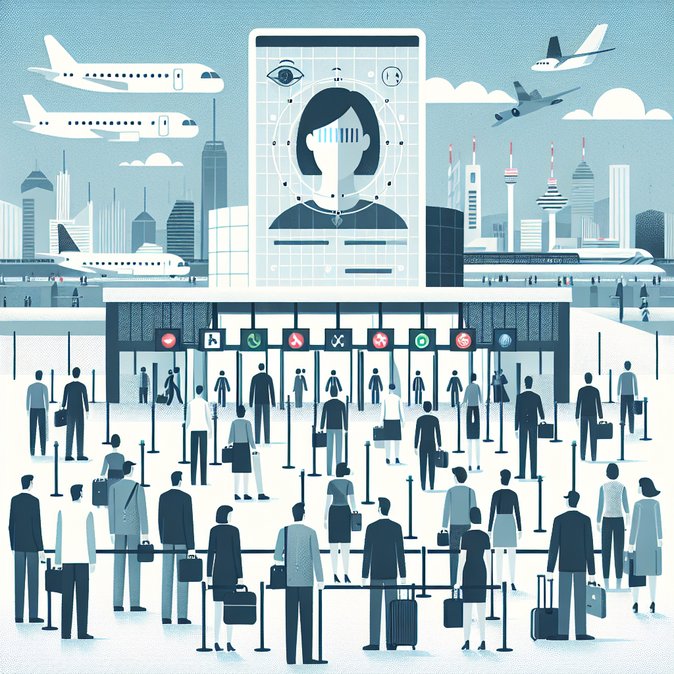
To keep the lines moving, Immigration will pilot a “contactless e-Channel” that relies on facial recognition rather than fingerprint scans. The trial—scheduled to begin at one land control point before June—promises to cut clearance time to about five seconds per traveller. If successful, it will be rolled out to the airport and the West Kowloon high-speed-rail terminus next year.
Kwok stressed that privacy safeguards are built in: biometric templates will be encrypted and purged after each crossing unless travellers opt in to a trusted-traveller programme. Nevertheless, the Office of the Privacy Commissioner has been invited to vet the system amid rising public concern over surveillance technologies.
For corporates, the upgrade could translate into shorter door-to-door journey times for shuttle staff and China-facing executives. Mobility managers should remind frequent travellers to renew smart-ID cards, which are required for the new channel, and to expect intermittent construction works at busy checkpoints as lanes are retrofitted.
Mainland travellers continued to dominate, accounting for 38 million arrivals, but overseas markets also roared back: visitor numbers from the United States, Singapore and the Middle East all posted double-digit growth as airlines reinstated capacity and conferences returned. Kwok acknowledged that such volumes are straining legacy infrastructure, particularly at Lo Wu and Lok Ma Chau. Queues at peak periods sometimes exceed the department’s 30-minute service pledge for visitors.
For anyone navigating this renewed surge, VisaHQ’s Hong Kong platform (https://www.visahq.com/hong-kong/) can simplify the paperwork before you even reach the checkpoint. The site aggregates visa rules for hundreds of destinations, offers online applications and passport-renewal support, and gives corporates a dashboard to track every traveler—an efficient complement to Immigration’s on-site upgrades.

To keep the lines moving, Immigration will pilot a “contactless e-Channel” that relies on facial recognition rather than fingerprint scans. The trial—scheduled to begin at one land control point before June—promises to cut clearance time to about five seconds per traveller. If successful, it will be rolled out to the airport and the West Kowloon high-speed-rail terminus next year.
Kwok stressed that privacy safeguards are built in: biometric templates will be encrypted and purged after each crossing unless travellers opt in to a trusted-traveller programme. Nevertheless, the Office of the Privacy Commissioner has been invited to vet the system amid rising public concern over surveillance technologies.
For corporates, the upgrade could translate into shorter door-to-door journey times for shuttle staff and China-facing executives. Mobility managers should remind frequent travellers to renew smart-ID cards, which are required for the new channel, and to expect intermittent construction works at busy checkpoints as lanes are retrofitted.