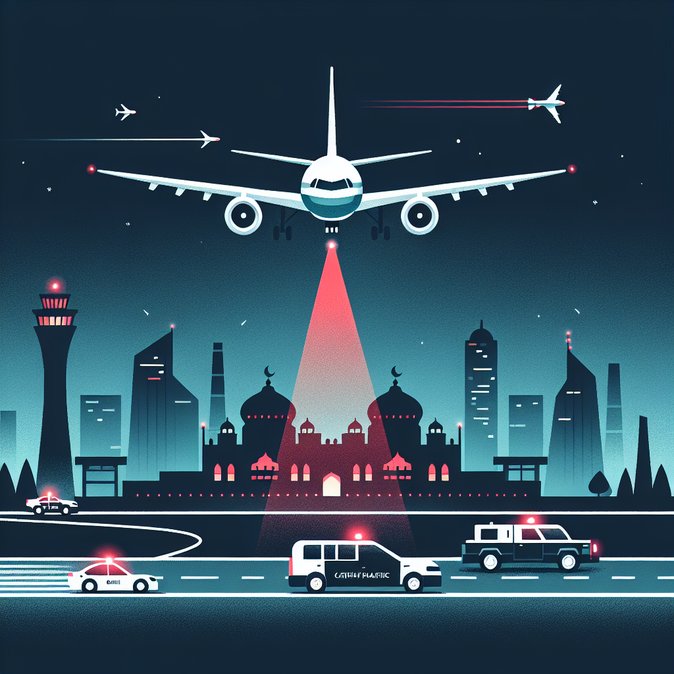
Pilots of Cathay Pacific flight CX 695 from Hong Kong to Delhi reported a blinding green laser striking the cockpit during final approach to Indira Gandhi International Airport on February 13. The Times of India says the crew managed to land safely but filed a formal safety report with India’s Directorate General of Civil Aviation.
Laser attacks on aircraft have surged worldwide as high-powered devices become cheaper online. When a cockpit is illuminated at low altitude, pilots can experience temporary flash blindness, glare or after-images—risks that regulators classify as a serious incident.
Travellers planning similar routes between Hong Kong and India should also ensure their travel documents are in order. VisaHQ’s Hong Kong office (https://www.visahq.com/hong-kong/) streamlines visa applications for India and dozens of other destinations, providing digital forms, live support, and swift courier options so crews and passengers can concentrate on safety instead of paperwork.
![Cathay Pacific jet from Hong Kong hit by laser beam near Delhi, spotlighting a growing global hazard]()
Under India’s Aircraft (Carriage of Dangerous Goods) Rules, aiming a laser at an aircraft is a criminal offence punishable by up to five years in prison, yet enforcement remains difficult. Delhi police patrols around the airport perimeter rarely catch offenders, who often operate from rooftops several kilometres away.
Cathay Pacific reminded passengers that safety is its “paramount priority” and said it is cooperating with authorities. The airline has logged similar incidents near Los Angeles and Manila in recent months. Cockpit crews now brief on laser contingency procedures before take-off and wear protective eyewear on routes with known hotspots.
Mobility managers sending staff to India should note that night-time arrivals and departures may be subject to heightened safety advisories. While the risk of injury is low, repeated distractions can contribute to pilot workload, potentially leading to knock-on delays if crews exceed duty-time limits.
Laser attacks on aircraft have surged worldwide as high-powered devices become cheaper online. When a cockpit is illuminated at low altitude, pilots can experience temporary flash blindness, glare or after-images—risks that regulators classify as a serious incident.
Travellers planning similar routes between Hong Kong and India should also ensure their travel documents are in order. VisaHQ’s Hong Kong office (https://www.visahq.com/hong-kong/) streamlines visa applications for India and dozens of other destinations, providing digital forms, live support, and swift courier options so crews and passengers can concentrate on safety instead of paperwork.
Under India’s Aircraft (Carriage of Dangerous Goods) Rules, aiming a laser at an aircraft is a criminal offence punishable by up to five years in prison, yet enforcement remains difficult. Delhi police patrols around the airport perimeter rarely catch offenders, who often operate from rooftops several kilometres away.
Cathay Pacific reminded passengers that safety is its “paramount priority” and said it is cooperating with authorities. The airline has logged similar incidents near Los Angeles and Manila in recent months. Cockpit crews now brief on laser contingency procedures before take-off and wear protective eyewear on routes with known hotspots.
Mobility managers sending staff to India should note that night-time arrivals and departures may be subject to heightened safety advisories. While the risk of injury is low, repeated distractions can contribute to pilot workload, potentially leading to knock-on delays if crews exceed duty-time limits.