The Finnish Ministry for Foreign Affairs confirmed late on 13 February that Minister for Nordic Cooperation Anders Adlercreutz will travel to Nuuk on 15–17 February for the first high-level Finnish visit to Greenland in more than a decade. The mission is part of Finland’s 2026 Presidency of the Nordic Council and will be followed by a ministerial meeting in Copenhagen on 18 February.
According to the itinerary, Adlercreutz will meet Greenland’s government (Naalakkersuisut) and parliament, visit local schools and the Danish Joint Arctic Command, and hold talks at the Nordic Institute in Nuuk (NAPA). A central theme will be how the Nordic countries can deliver on the long-standing political goal of creating “the most integrated region in the world”, with a particular focus on making cross-border working and studying as friction-free as possible.
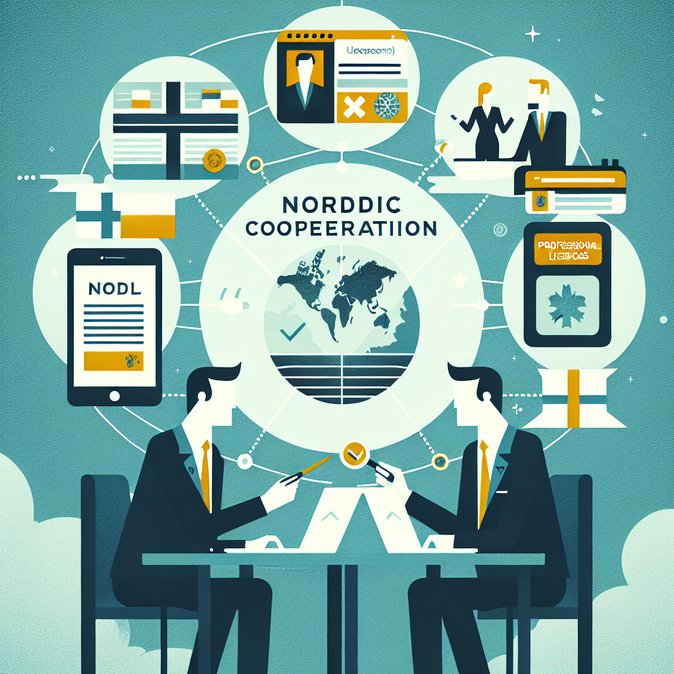
Items on the agenda include: mutual recognition of professional qualifications to shorten onboarding times for skilled workers; wider use of Nordic digital identity authentication so newcomers can swiftly access public services; and removal of double-taxation irritants that still complicate short-term assignments. Officials said the visit will also evaluate whether the Helsinki Treaty—the legal backbone of Nordic cooperation—needs to be updated to reflect new mobility realities and Greenland’s growing autonomy.
![Finland’s Nordic Cooperation Minister heads to Greenland to push ‘border-free’ Nordic labour mobility]()
Business immigration advisers note that Nordic nationals already enjoy extensive freedom of movement, but practical obstacles remain. Differing tax withholding rules, incompatible e-ID systems and slow recognition of vocational licences can still add weeks to deployment timelines. Any concrete decisions emerging from next week’s ministerial meeting would therefore be welcomed by multinational employers running talent hubs across Finland, Sweden, Denmark, Norway, Iceland and Greenland.
For travellers and HR teams tasked with navigating current Nordic entry rules, visa and permit logistics can still be cumbersome. Specialist platforms like VisaHQ’s Finland page (https://www.visahq.com/finland/) provide step-by-step support, real-time regulatory updates and application handling, helping ensure that staff headed to Greenland, Finland or elsewhere in the region secure the correct documents quickly while the wider reforms are still in progress.
The trip underlines Helsinki’s intention to keep mobility issues high on the Nordic agenda during its Council Presidency. Companies with cross-border workforces should monitor outcomes closely: even limited pilot projects on digital IDs or fast-track licence recognition could materially shorten lead-times for intra-Nordic assignments by late 2026.
According to the itinerary, Adlercreutz will meet Greenland’s government (Naalakkersuisut) and parliament, visit local schools and the Danish Joint Arctic Command, and hold talks at the Nordic Institute in Nuuk (NAPA). A central theme will be how the Nordic countries can deliver on the long-standing political goal of creating “the most integrated region in the world”, with a particular focus on making cross-border working and studying as friction-free as possible.
Items on the agenda include: mutual recognition of professional qualifications to shorten onboarding times for skilled workers; wider use of Nordic digital identity authentication so newcomers can swiftly access public services; and removal of double-taxation irritants that still complicate short-term assignments. Officials said the visit will also evaluate whether the Helsinki Treaty—the legal backbone of Nordic cooperation—needs to be updated to reflect new mobility realities and Greenland’s growing autonomy.

Business immigration advisers note that Nordic nationals already enjoy extensive freedom of movement, but practical obstacles remain. Differing tax withholding rules, incompatible e-ID systems and slow recognition of vocational licences can still add weeks to deployment timelines. Any concrete decisions emerging from next week’s ministerial meeting would therefore be welcomed by multinational employers running talent hubs across Finland, Sweden, Denmark, Norway, Iceland and Greenland.
For travellers and HR teams tasked with navigating current Nordic entry rules, visa and permit logistics can still be cumbersome. Specialist platforms like VisaHQ’s Finland page (https://www.visahq.com/finland/) provide step-by-step support, real-time regulatory updates and application handling, helping ensure that staff headed to Greenland, Finland or elsewhere in the region secure the correct documents quickly while the wider reforms are still in progress.
The trip underlines Helsinki’s intention to keep mobility issues high on the Nordic agenda during its Council Presidency. Companies with cross-border workforces should monitor outcomes closely: even limited pilot projects on digital IDs or fast-track licence recognition could materially shorten lead-times for intra-Nordic assignments by late 2026.