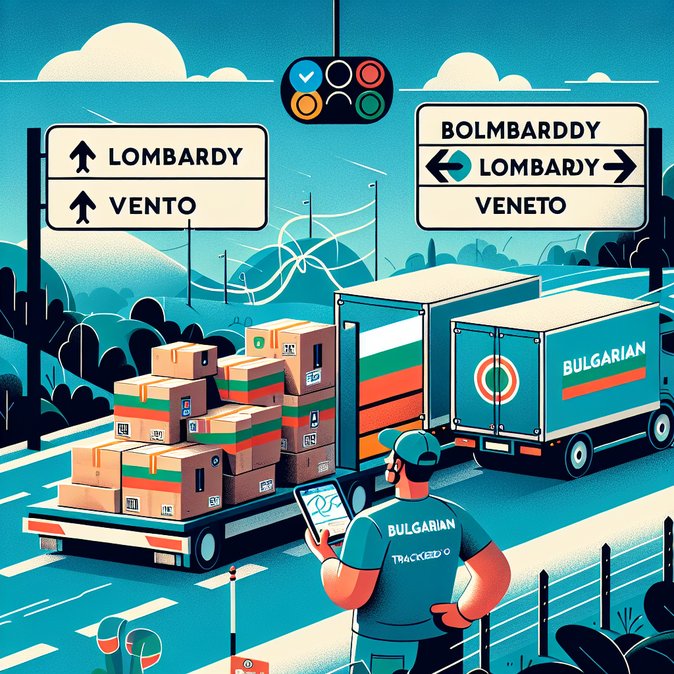
Bulgaria’s national postal operator has advised customers to expect longer transit times for shipments to Italy between 6 February and 15 March, citing a notice from Poste Italiane that Olympic security zones and traffic restrictions are already slowing mail collection and delivery in Milan, Cortina, Verona and Sondrio.(bta.bg)
Poste Italiane says road closures, pop-up security checkpoints and last-mile vehicle bans near competition venues are forcing rerouting of vans and limiting delivery windows. International parcels entering via Milan’s Linate and Malpensa facilities may be processed overnight rather than during daytime peak shifts, extending handling by 24-48 hours.
If travel plans or hand-carried documents now have to navigate those restricted zones, VisaHQ’s dedicated Italian visa service (https://www.visahq.com/italy/) can streamline the paperwork remotely, reducing the need for last-minute courier runs while postal timelines are uncertain. Their online application tools and door-to-door pick-up options give mobility teams and individual travelers a reliable workaround when Olympic congestion threatens time-sensitive deliveries.
![Olympic Logistics Ripple Outward: Bulgarian Posts Warns of Parcel Delays to Italy]()
For mobility managers relocating staff or shipping compliance documents, the advisory means time-sensitive items—work-permit originals, rental contracts, medication—should move via courier services with contingency scanning options. Companies using postal channels for salary cheques or benefit cards should inform assignees of possible delays and offer digital alternatives.
The warning also illustrates the broader supply-chain impact of mega-events: even nations not hosting competitions experience knock-on effects when their mail relies on hub airports inside the host country. Similar advisories may surface from other European postal agencies if Olympic congestion worsens.
As the Games transition to the Paralympics in March, logistics professionals should continue to monitor updates from Poste Italiane and regional transport authorities, adjusting service-level agreements and client expectations accordingly.
Poste Italiane says road closures, pop-up security checkpoints and last-mile vehicle bans near competition venues are forcing rerouting of vans and limiting delivery windows. International parcels entering via Milan’s Linate and Malpensa facilities may be processed overnight rather than during daytime peak shifts, extending handling by 24-48 hours.
If travel plans or hand-carried documents now have to navigate those restricted zones, VisaHQ’s dedicated Italian visa service (https://www.visahq.com/italy/) can streamline the paperwork remotely, reducing the need for last-minute courier runs while postal timelines are uncertain. Their online application tools and door-to-door pick-up options give mobility teams and individual travelers a reliable workaround when Olympic congestion threatens time-sensitive deliveries.

For mobility managers relocating staff or shipping compliance documents, the advisory means time-sensitive items—work-permit originals, rental contracts, medication—should move via courier services with contingency scanning options. Companies using postal channels for salary cheques or benefit cards should inform assignees of possible delays and offer digital alternatives.
The warning also illustrates the broader supply-chain impact of mega-events: even nations not hosting competitions experience knock-on effects when their mail relies on hub airports inside the host country. Similar advisories may surface from other European postal agencies if Olympic congestion worsens.
As the Games transition to the Paralympics in March, logistics professionals should continue to monitor updates from Poste Italiane and regional transport authorities, adjusting service-level agreements and client expectations accordingly.