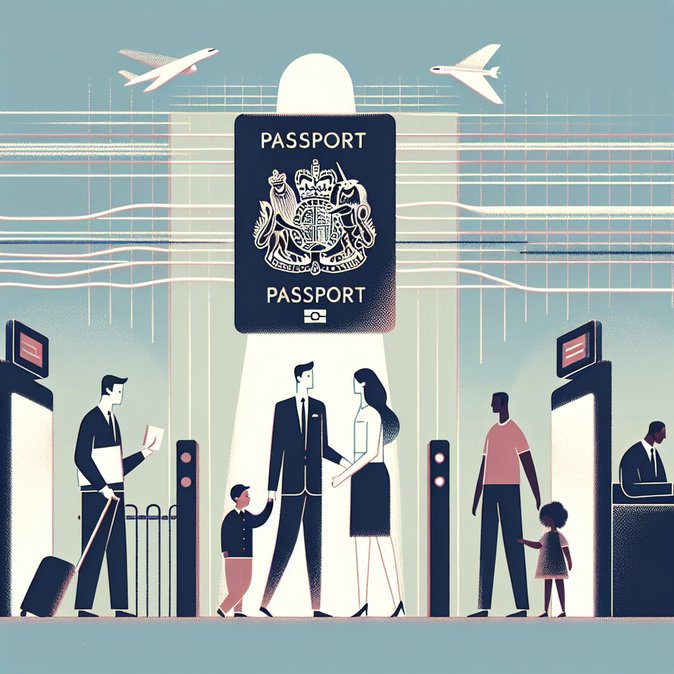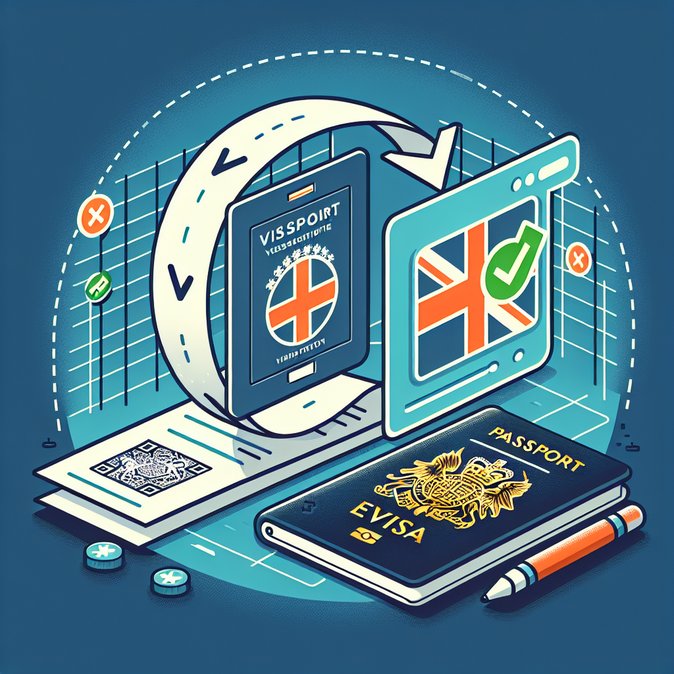
UK Visas & Immigration (UKVI) has announced the final piece of its digital immigration jigsaw: from 25 February 2026 every visitor who ordinarily needs a visa will receive only an electronic visa (eVisa). The update was released on 13 February via UKVI’s official X (formerly Twitter) account and picked up by several international outlets, including Nigeria’s Vanguard.
Under the change, visa stickers and paper vignettes disappear entirely. Approved applicants will instead log into a UKVI account, where their eVisa is stored digitally and linked to their passport chip. Airline agents will verify permission to travel through the same Advance Passenger Information (API) feed that already checks for ETAs and resident permits.
The government says eVisas will cut fraud, speed up entry processing and pave the way for “contactless corridors” at airports such as Heathrow and Manchester. Recent Home Office pilots showed average primary-control clearance times fall by 37 %, while refusals for counterfeit visas dropped almost to zero.
![UK confirms switch to eVisas only for visa-required visitors from 25 February]()
Whether you’re a corporate mobility manager or an individual traveller, VisaHQ can streamline the transition to eVisas. The firm’s online platform and in-house experts guide users through account set-up, document uploads and real-time status tracking, ensuring every passport is correctly linked before departure. Explore their UK services at https://www.visahq.com/united-kingdom/
For global mobility teams the shift means new onboarding steps: assignees must create a UKVI account, keep passport details updated and download the eVisa PDF for HR files. Sponsors should also brief travellers that their visa will not appear in the passport, a common source of anxiety at third-country transit points. CBP officers in the US and Schengen border guards have been briefed via IATA messaging that UK eVisas are electronic only, but early teething problems are expected.
Longer term, the Home Office plans to extend eVisas to all in-country categories, including settlement, by the end of 2026—bringing the UK in line with Australia’s fully digital model and ahead of the EU’s forthcoming ‘visa in a smartphone’ project.
Under the change, visa stickers and paper vignettes disappear entirely. Approved applicants will instead log into a UKVI account, where their eVisa is stored digitally and linked to their passport chip. Airline agents will verify permission to travel through the same Advance Passenger Information (API) feed that already checks for ETAs and resident permits.
The government says eVisas will cut fraud, speed up entry processing and pave the way for “contactless corridors” at airports such as Heathrow and Manchester. Recent Home Office pilots showed average primary-control clearance times fall by 37 %, while refusals for counterfeit visas dropped almost to zero.
Whether you’re a corporate mobility manager or an individual traveller, VisaHQ can streamline the transition to eVisas. The firm’s online platform and in-house experts guide users through account set-up, document uploads and real-time status tracking, ensuring every passport is correctly linked before departure. Explore their UK services at https://www.visahq.com/united-kingdom/
For global mobility teams the shift means new onboarding steps: assignees must create a UKVI account, keep passport details updated and download the eVisa PDF for HR files. Sponsors should also brief travellers that their visa will not appear in the passport, a common source of anxiety at third-country transit points. CBP officers in the US and Schengen border guards have been briefed via IATA messaging that UK eVisas are electronic only, but early teething problems are expected.
Longer term, the Home Office plans to extend eVisas to all in-country categories, including settlement, by the end of 2026—bringing the UK in line with Australia’s fully digital model and ahead of the EU’s forthcoming ‘visa in a smartphone’ project.