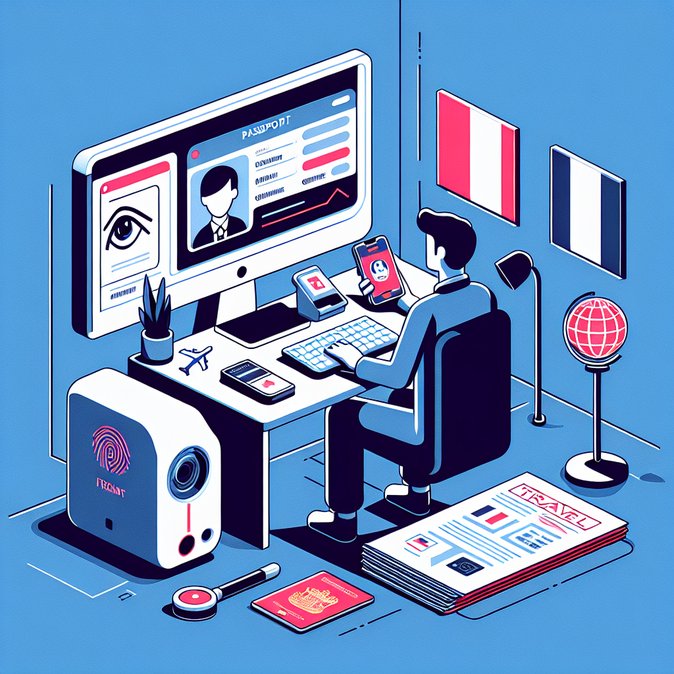
French citizens planning visa-free trips to the United States could soon face far more intrusive screening. A draft rule published by US Customs and Border Protection (CBP) would make it compulsory for Electronic System for Travel Authorization (ESTA) applicants to provide five years of social-media handles, all e-mail addresses and phone numbers used in that period, plus a selfie—and potentially DNA or iris scans in future. Euronews reports that the consultation period closed this week and implementation could follow within months.
The proposal affects travellers from 41 visa-waiver countries, including France. At present, disclosure of social-media identifiers is optional. Industry groups such as ECTAA warn that the expanded data grab could deter leisure and corporate travel alike, reducing inbound spending by an estimated US $15.7 billion and threatening 157,000 American jobs.
For French multinationals the change raises compliance headaches. Travel-approval workflows will need updating to capture new data fields, and privacy officers must assess how employee social-media information is stored and transferred under EU-US Data Privacy Framework rules. The added friction also risks lengthier lead times: HR mobility teams that routinely process short-notice US trips—for example for tech-sector troubleshooting or film-production shoots—should budget an extra 72 hours for approvals until processing times are clarified.
![US proposes mandatory social-media disclosure and selfies for ESTA applicants]()
Amid these uncertainties, French travellers and corporate mobility managers may find it useful to lean on expert visa facilitators. VisaHQ’s French portal (https://www.visahq.com/france/) offers step-by-step guidance on the evolving ESTA questionnaire, highlights documentation changes in real time and can coordinate bulk or last-minute submissions—helping both individuals and companies stay compliant without drowning in paperwork.
Legal advisers note that failure to disclose the requested information accurately could render an ESTA invalid on arrival, leading to expensive turn-backs at US pre-clearance points in Dublin and Shannon or at US airports. Companies may therefore have to mandate immigration-law vetting for high-profile executives with complex online footprints.
French travellers should also monitor Congress, where bipartisan data-privacy bills could yet constrain CBP’s authority; but for now, the safest course is to prepare for full transparency when the final rule lands.
The proposal affects travellers from 41 visa-waiver countries, including France. At present, disclosure of social-media identifiers is optional. Industry groups such as ECTAA warn that the expanded data grab could deter leisure and corporate travel alike, reducing inbound spending by an estimated US $15.7 billion and threatening 157,000 American jobs.
For French multinationals the change raises compliance headaches. Travel-approval workflows will need updating to capture new data fields, and privacy officers must assess how employee social-media information is stored and transferred under EU-US Data Privacy Framework rules. The added friction also risks lengthier lead times: HR mobility teams that routinely process short-notice US trips—for example for tech-sector troubleshooting or film-production shoots—should budget an extra 72 hours for approvals until processing times are clarified.

Amid these uncertainties, French travellers and corporate mobility managers may find it useful to lean on expert visa facilitators. VisaHQ’s French portal (https://www.visahq.com/france/) offers step-by-step guidance on the evolving ESTA questionnaire, highlights documentation changes in real time and can coordinate bulk or last-minute submissions—helping both individuals and companies stay compliant without drowning in paperwork.
Legal advisers note that failure to disclose the requested information accurately could render an ESTA invalid on arrival, leading to expensive turn-backs at US pre-clearance points in Dublin and Shannon or at US airports. Companies may therefore have to mandate immigration-law vetting for high-profile executives with complex online footprints.
French travellers should also monitor Congress, where bipartisan data-privacy bills could yet constrain CBP’s authority; but for now, the safest course is to prepare for full transparency when the final rule lands.