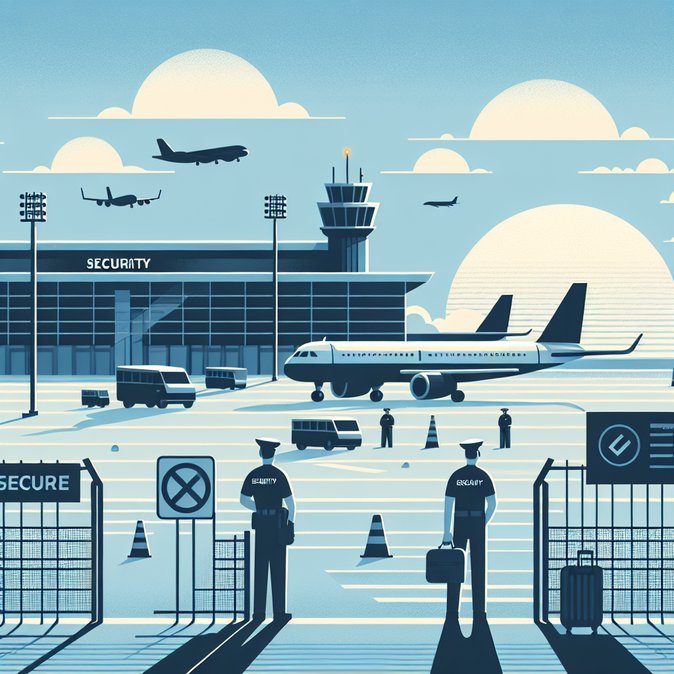
Early on Friday morning, 13 February 2026, Federal Police ordered an immediate shutdown of the departure area at Cologne/Bonn Airport after an unidentified passenger breached the sterile zone without completing screening. All outbound flights were suspended while officers carried out a line-by-line search of airside facilities and re-screened travellers already in the gate area.
The alarm triggered blanket gate closures from about 08:30 local time, catching peak business-travel rotations to Berlin, Munich, Zürich and Vienna as well as the first wave of leisure departures to Mediterranean hubs. Eurowings, the airport’s largest operator, diverted two inbound services and advised passengers departing Friday to postpone travel if possible.
By 10:45 the individual had been located and no prohibited items were found; nevertheless, security protocol required the entire concourse to be cleared and re-screened, causing knock-on delays well into the afternoon. Cargo flights from the airport’s busy night-time freight operation remained unaffected.
![Security Incident Halts All Departures at Cologne/Bonn Airport]()
For travellers whose plans are suddenly thrown off course by incidents like this, VisaHQ can step in to streamline any emergency documentation needs. The company’s Germany portal (https://www.visahq.com/germany/) offers quick online processing for Schengen visas, transit permits and passport renewals, giving passengers a convenient safety net when airport disruptions force last-minute itinerary changes.
The incident highlights Germany’s “zero-risk” aviation-security posture ahead of the Munich Security Conference and nationwide Carnival celebrations, both of which stretch police resources. Travellers transiting medium-sized German airports in coming days should arrive early, keep liquids and electronics ready for inspection, and monitor carrier apps for rolling updates.
Employers with time-critical shipments through Cologne/Bonn’s express-freight facilities reported no disruption, but forwarders warn that labour-intensive secondary screening can create backlogs if additional false alarms occur.
The alarm triggered blanket gate closures from about 08:30 local time, catching peak business-travel rotations to Berlin, Munich, Zürich and Vienna as well as the first wave of leisure departures to Mediterranean hubs. Eurowings, the airport’s largest operator, diverted two inbound services and advised passengers departing Friday to postpone travel if possible.
By 10:45 the individual had been located and no prohibited items were found; nevertheless, security protocol required the entire concourse to be cleared and re-screened, causing knock-on delays well into the afternoon. Cargo flights from the airport’s busy night-time freight operation remained unaffected.
For travellers whose plans are suddenly thrown off course by incidents like this, VisaHQ can step in to streamline any emergency documentation needs. The company’s Germany portal (https://www.visahq.com/germany/) offers quick online processing for Schengen visas, transit permits and passport renewals, giving passengers a convenient safety net when airport disruptions force last-minute itinerary changes.
The incident highlights Germany’s “zero-risk” aviation-security posture ahead of the Munich Security Conference and nationwide Carnival celebrations, both of which stretch police resources. Travellers transiting medium-sized German airports in coming days should arrive early, keep liquids and electronics ready for inspection, and monitor carrier apps for rolling updates.
Employers with time-critical shipments through Cologne/Bonn’s express-freight facilities reported no disruption, but forwarders warn that labour-intensive secondary screening can create backlogs if additional false alarms occur.