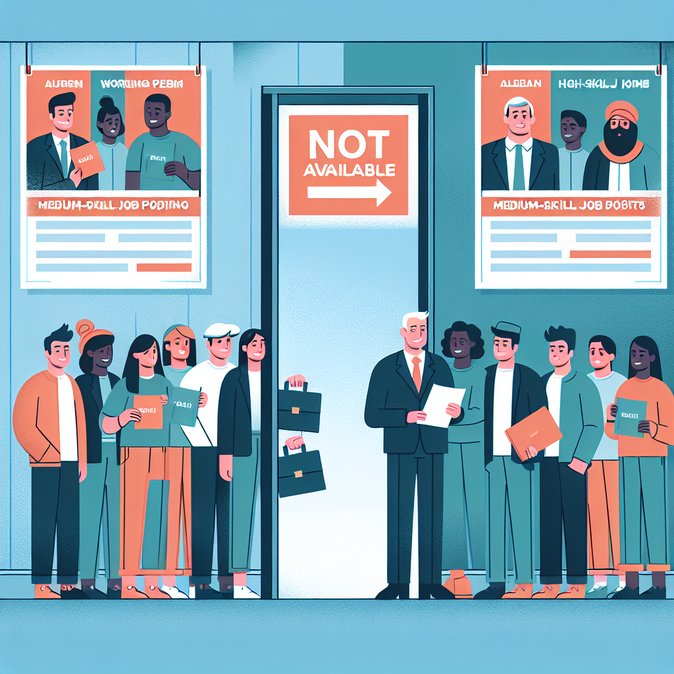
Belgium’s National Employment Office (ONEM/RVA) confirmed on 13 February that some 36,000 people will receive digital and postal letters next week telling them their first-phase unemployment benefits will end between July 2026 and July 2027. The mass notification is part of a multi-stage welfare reform designed to shorten benefit durations and push recipients back into work sooner.
Why it matters for global mobility: expatriates and cross-border workers with Belgian residence permits often rely on unemployment allowances to bridge gaps between assignments. Once benefits stop, affected foreigners must demonstrate sufficient means of support to renew residence status—a requirement that, if unmet, can trigger permit cancellations and even forced departure.
The reform arrives as Belgium simultaneously tightens labour-migration channels in Flanders and other regions. Mobility managers must therefore monitor employees on garden leave or short-term contracts. Where redundancies are planned, companies should build in longer lead-times to secure new permits or reassign staff before benefits lapse.
![36,000 Residents—Including Many Foreign Workers—Notified of Upcoming Loss of Belgian Unemployment Benefits]()
At this juncture, many employers and assignees seek external guidance on complying with Belgium’s shifting residency rules. VisaHQ’s dedicated Belgium portal (https://www.visahq.com/belgium/) provides streamlined visa and permit advisory services, document processing, and status-tracking tools—resources that can prove invaluable when unemployment payments stop and individuals must evidence financial means or transition to a new stay category.
Practical tips include: 1) ensuring foreign employees register promptly for job-search support, which can extend allowances; 2) exploring regional retraining subsidies that count as ‘recognised programmes’; and 3) updating cost-projection models, as some severance packages may need to cover private health insurance once social-security coverage ends.
Social partners are already lobbying for exemptions for high-mobility sectors such as technology and academia, arguing that frequent contract work is intrinsic to international careers. For now, however, the phase-out calendar is fixed, and the first warning e-mails will hit inboxes on 14 February.
Why it matters for global mobility: expatriates and cross-border workers with Belgian residence permits often rely on unemployment allowances to bridge gaps between assignments. Once benefits stop, affected foreigners must demonstrate sufficient means of support to renew residence status—a requirement that, if unmet, can trigger permit cancellations and even forced departure.
The reform arrives as Belgium simultaneously tightens labour-migration channels in Flanders and other regions. Mobility managers must therefore monitor employees on garden leave or short-term contracts. Where redundancies are planned, companies should build in longer lead-times to secure new permits or reassign staff before benefits lapse.

At this juncture, many employers and assignees seek external guidance on complying with Belgium’s shifting residency rules. VisaHQ’s dedicated Belgium portal (https://www.visahq.com/belgium/) provides streamlined visa and permit advisory services, document processing, and status-tracking tools—resources that can prove invaluable when unemployment payments stop and individuals must evidence financial means or transition to a new stay category.
Practical tips include: 1) ensuring foreign employees register promptly for job-search support, which can extend allowances; 2) exploring regional retraining subsidies that count as ‘recognised programmes’; and 3) updating cost-projection models, as some severance packages may need to cover private health insurance once social-security coverage ends.
Social partners are already lobbying for exemptions for high-mobility sectors such as technology and academia, arguing that frequent contract work is intrinsic to international careers. For now, however, the phase-out calendar is fixed, and the first warning e-mails will hit inboxes on 14 February.