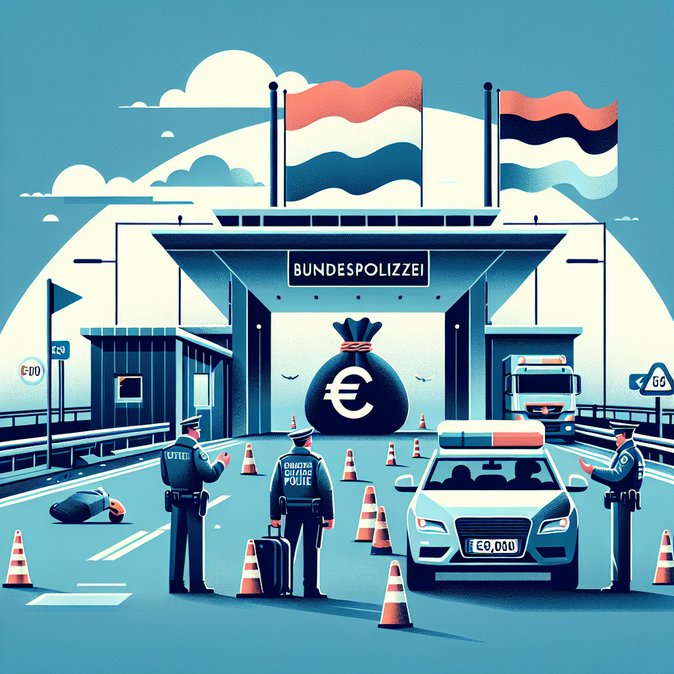
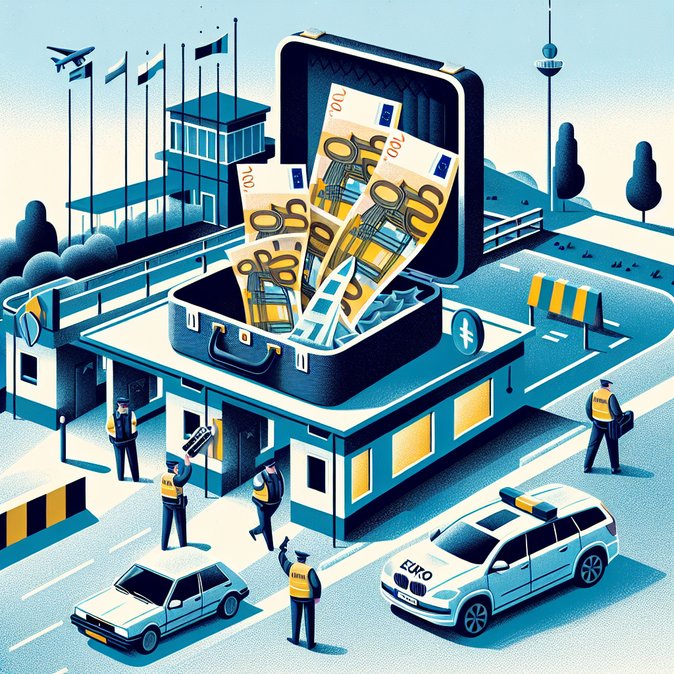
Early-morning traffic on the A4 motorway from the Netherlands into Germany was interrupted on Tuesday when Bundespolizei officers pulled over a Dutch-registered car near Aachen. Details released on 12 February 2026 show why: the two occupants carried €59,000 in cash, failed to declare it and offered contradictory explanations about its origin. A roadside drug-wipe also returned positive for narcotics.
The seizure, though small compared with organised-crime busts, illustrates Germany’s sharpened focus on cross-border cash since temporary Schengen land-border checks were re-authorised in 2025. Under EU anti-money-laundering rules travellers must declare sums over €10,000; failure can lead to on-the-spot confiscation pending proof of lawful origin. Both men now face criminal-finance proceedings and fines that can exceed the undeclared amount.
For companies looking to keep their travellers compliant, VisaHQ offers practical assistance that goes beyond visas. Through its Germany portal (https://www.visahq.com/germany/), the platform provides real-time updates on entry formalities, cash-declaration thresholds and other border regulations, allowing HR and mobility teams to brief staff quickly and avoid costly surprises.
![Border police seize €59,000 at Aachen checkpoint in latest signal of tightened cash controls]()
For internationally mobile staff—particularly expatriates who still prefer cash moves when relocating—the incident is a cautionary tale. Workforces shuttling between German and Dutch project sites should be briefed that sporadic controls are very much alive despite the Schengen label. HR should remind employees of declaration thresholds and encourage electronic transfers for relocation allowances.
Logistics companies likewise see knock-on effects: spot checks targeting cash often expand to search for illicit goods, adding unpredictability to just-in-time supply runs over the western border. Allowing for buffer times and carrying proper manifests reduces the risk of shipment delays.
With the Interior Ministry already extending land-border checks until at least March 2026, mobility managers should assume that heightened enforcement—cash, drugs or identity papers—will remain part of the travel landscape into the summer holiday season.
The seizure, though small compared with organised-crime busts, illustrates Germany’s sharpened focus on cross-border cash since temporary Schengen land-border checks were re-authorised in 2025. Under EU anti-money-laundering rules travellers must declare sums over €10,000; failure can lead to on-the-spot confiscation pending proof of lawful origin. Both men now face criminal-finance proceedings and fines that can exceed the undeclared amount.
For companies looking to keep their travellers compliant, VisaHQ offers practical assistance that goes beyond visas. Through its Germany portal (https://www.visahq.com/germany/), the platform provides real-time updates on entry formalities, cash-declaration thresholds and other border regulations, allowing HR and mobility teams to brief staff quickly and avoid costly surprises.
For internationally mobile staff—particularly expatriates who still prefer cash moves when relocating—the incident is a cautionary tale. Workforces shuttling between German and Dutch project sites should be briefed that sporadic controls are very much alive despite the Schengen label. HR should remind employees of declaration thresholds and encourage electronic transfers for relocation allowances.
Logistics companies likewise see knock-on effects: spot checks targeting cash often expand to search for illicit goods, adding unpredictability to just-in-time supply runs over the western border. Allowing for buffer times and carrying proper manifests reduces the risk of shipment delays.
With the Interior Ministry already extending land-border checks until at least March 2026, mobility managers should assume that heightened enforcement—cash, drugs or identity papers—will remain part of the travel landscape into the summer holiday season.