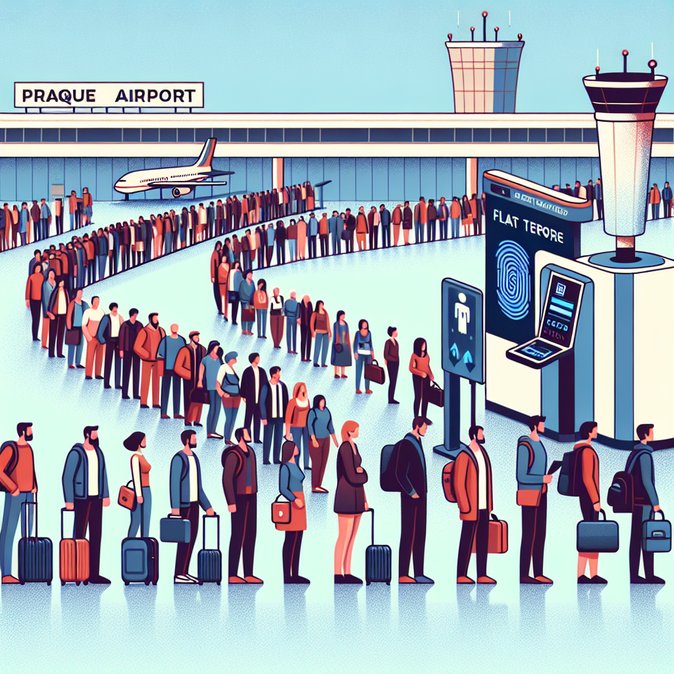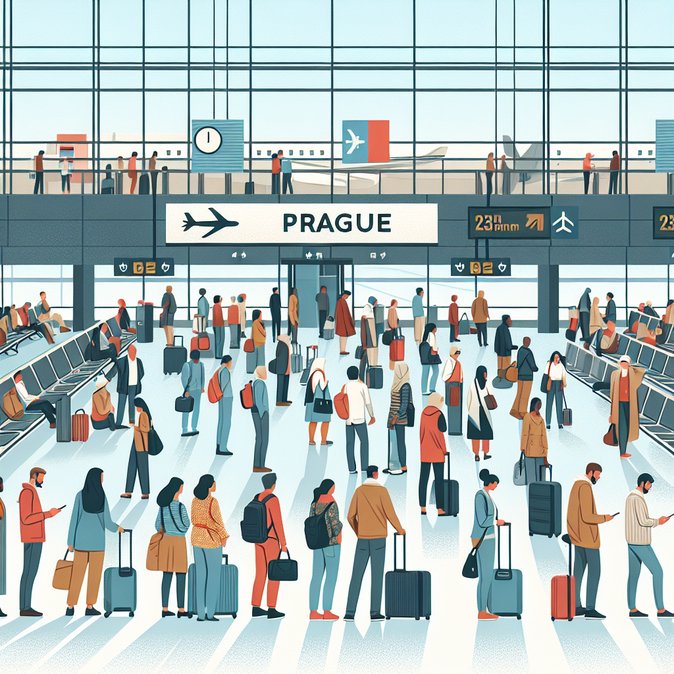
In a joint letter released late Wednesday, ACI EUROPE, Airlines for Europe (A4E) and IATA urged Brussels to grant Schengen states more flexibility in rolling out the new Entry/Exit System (EES). The organisations cite "persistent excessive waiting times of up to two hours" at border control even though only 35 percent of third-country travellers are currently being registered. If full biometric capture is enforced for all non-EU arrivals this July, queues could "reach four hours or more", the industry warns. (aci-europe.org)
For Czechia, the alert is significant. Prague’s Václav Havel Airport handled a record 17.8 million passengers last year, 58 percent of them foreign nationals. Border Police sources tell Global Mobility News that first-time EES enrolment is already adding 60–90 seconds per passenger at peak times; a 100-percent capture rate could double that. Airport management is fast-tracking eight additional automated-border-control kiosks but concedes they will not be operational before June.
Travellers who want to minimise bureaucratic surprises can prepare in advance with VisaHQ, which provides up-to-date visa guidance, document checks and online applications for the Czech Republic (https://www.visahq.com/czech-republic/). Using such a service helps ensure that paperwork is in perfect order before departure, shaving precious minutes off the airport experience while authorities iron out EES teething problems.
![Airports, Airlines Warn EU That Entry/Exit System Could Create Four-Hour Queues – Prague Braces For Summer Chaos]()
The trade bodies list three root problems: understaffed border-guard units, lingering technical glitches with kiosk software and the slow adoption of Frontex’s pre-registration app. Prague shares all three. Despite government promises, only 40 of the 70 authorised border-officer vacancies have been filled, and the local pilot of the mobile pre-registration tool has logged fewer than 5,000 downloads.
Business-travel stakeholders fear missed connections on hub-and-spoke itineraries. Multinationals with regional headquarters in the Czech capital have begun instructing incoming visitors to land a day earlier, while conference organisers are warning delegates to allow at least three hours between landing and first meetings.
Industry groups want the European Commission to confirm that member states may temporarily suspend mandatory EES registration or cap the capture rate during summer peaks. If no relief is granted, they warn, reputational damage could deter high-spend North-American and Asian tourists – a segment Prague relies on for convention revenue.
For Czechia, the alert is significant. Prague’s Václav Havel Airport handled a record 17.8 million passengers last year, 58 percent of them foreign nationals. Border Police sources tell Global Mobility News that first-time EES enrolment is already adding 60–90 seconds per passenger at peak times; a 100-percent capture rate could double that. Airport management is fast-tracking eight additional automated-border-control kiosks but concedes they will not be operational before June.
Travellers who want to minimise bureaucratic surprises can prepare in advance with VisaHQ, which provides up-to-date visa guidance, document checks and online applications for the Czech Republic (https://www.visahq.com/czech-republic/). Using such a service helps ensure that paperwork is in perfect order before departure, shaving precious minutes off the airport experience while authorities iron out EES teething problems.
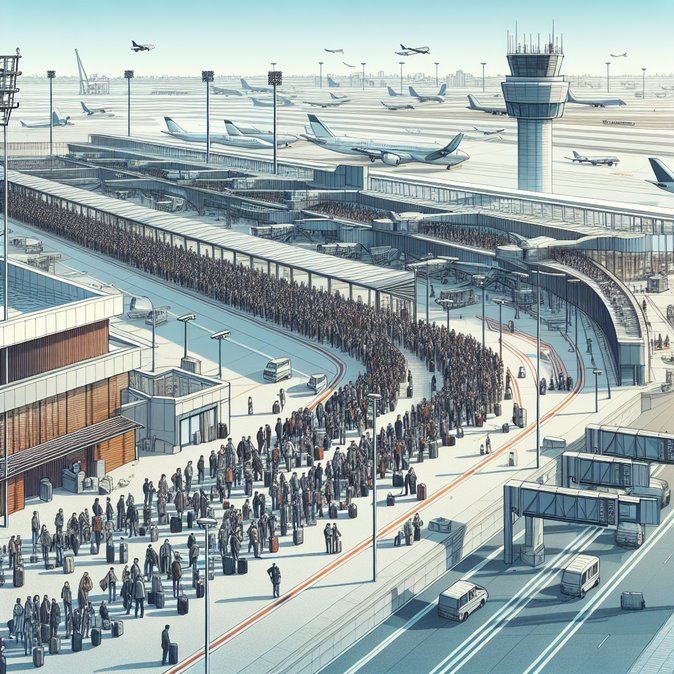
The trade bodies list three root problems: understaffed border-guard units, lingering technical glitches with kiosk software and the slow adoption of Frontex’s pre-registration app. Prague shares all three. Despite government promises, only 40 of the 70 authorised border-officer vacancies have been filled, and the local pilot of the mobile pre-registration tool has logged fewer than 5,000 downloads.
Business-travel stakeholders fear missed connections on hub-and-spoke itineraries. Multinationals with regional headquarters in the Czech capital have begun instructing incoming visitors to land a day earlier, while conference organisers are warning delegates to allow at least three hours between landing and first meetings.
Industry groups want the European Commission to confirm that member states may temporarily suspend mandatory EES registration or cap the capture rate during summer peaks. If no relief is granted, they warn, reputational damage could deter high-spend North-American and Asian tourists – a segment Prague relies on for convention revenue.