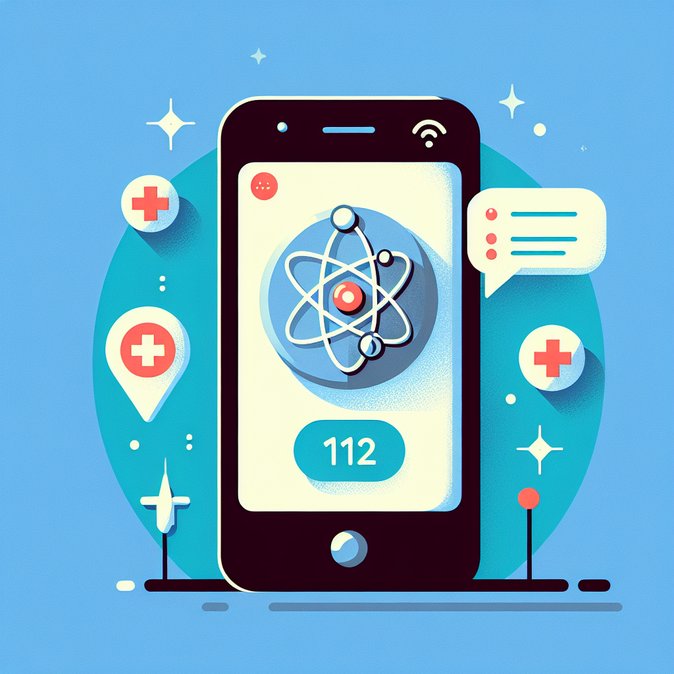
Marking European “112 Day” on 11 February 2026, Belgium’s emergency-services directorate and Brussels Fire Brigade unveiled a new smartphone application that lets residents and visitors contact the 112 emergency number via chat, share real-time GPS coordinates and store medical data. Euronews reports the app currently handles only about 5 % of Belgium’s 2.5 million annual emergency calls, but officials aim to raise uptake through a nationwide publicity push.(hu.euronews.com)
For international assignees, tourists and cross-border commuters, the geo-location feature is a significant upgrade: callers who struggle with French, Dutch or German can initiate a text chat, automatically transmit their position and relay allergy or chronic-condition details stored in their profile—crucial in densely built urban areas or multilingual workplaces. The system is fully interoperable with EU roaming, meaning a foreign SIM card registered in another member state can still trigger location sharing inside Belgium.
![Belgian Authorities Launch Location-Enabled 112 Emergency App on European 112 Day]()
When planning trips or assignments to Belgium, travelers can streamline the paperwork side of their journey through VisaHQ, which offers up-to-date guidance on Schengen visas, work permits and residence documentation (https://www.visahq.com/belgium/). By centralising visa processing and alerting clients to local requirements—now including recommendations to install the 112 BE app—VisaHQ helps organisations integrate legal compliance with duty-of-care planning.
Employers with duty-of-care obligations are being encouraged to incorporate the app into travel safety briefings and to require posted workers to download it before arrival. The Fire Brigade stresses that dispatchers can remotely activate an alarm on the device to help locate an unconscious caller, a function welcomed by lone-worker advocates.
Belgium joins countries such as France and Spain that have rolled out digital 112 tools in recent years; EU regulators plan to mandate advanced mobile-location services bloc-wide by 2027. Mobility managers should monitor whether local SIM cards or enterprise MDM settings interfere with the app’s permissions, and ensure expatriates know that the traditional voice call remains available for life-threatening situations.
For international assignees, tourists and cross-border commuters, the geo-location feature is a significant upgrade: callers who struggle with French, Dutch or German can initiate a text chat, automatically transmit their position and relay allergy or chronic-condition details stored in their profile—crucial in densely built urban areas or multilingual workplaces. The system is fully interoperable with EU roaming, meaning a foreign SIM card registered in another member state can still trigger location sharing inside Belgium.
When planning trips or assignments to Belgium, travelers can streamline the paperwork side of their journey through VisaHQ, which offers up-to-date guidance on Schengen visas, work permits and residence documentation (https://www.visahq.com/belgium/). By centralising visa processing and alerting clients to local requirements—now including recommendations to install the 112 BE app—VisaHQ helps organisations integrate legal compliance with duty-of-care planning.
Employers with duty-of-care obligations are being encouraged to incorporate the app into travel safety briefings and to require posted workers to download it before arrival. The Fire Brigade stresses that dispatchers can remotely activate an alarm on the device to help locate an unconscious caller, a function welcomed by lone-worker advocates.
Belgium joins countries such as France and Spain that have rolled out digital 112 tools in recent years; EU regulators plan to mandate advanced mobile-location services bloc-wide by 2027. Mobility managers should monitor whether local SIM cards or enterprise MDM settings interfere with the app’s permissions, and ensure expatriates know that the traditional voice call remains available for life-threatening situations.