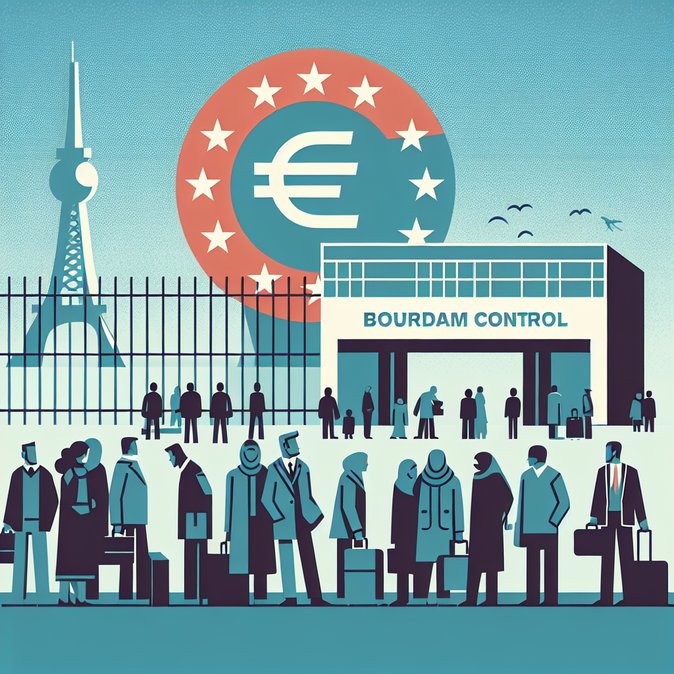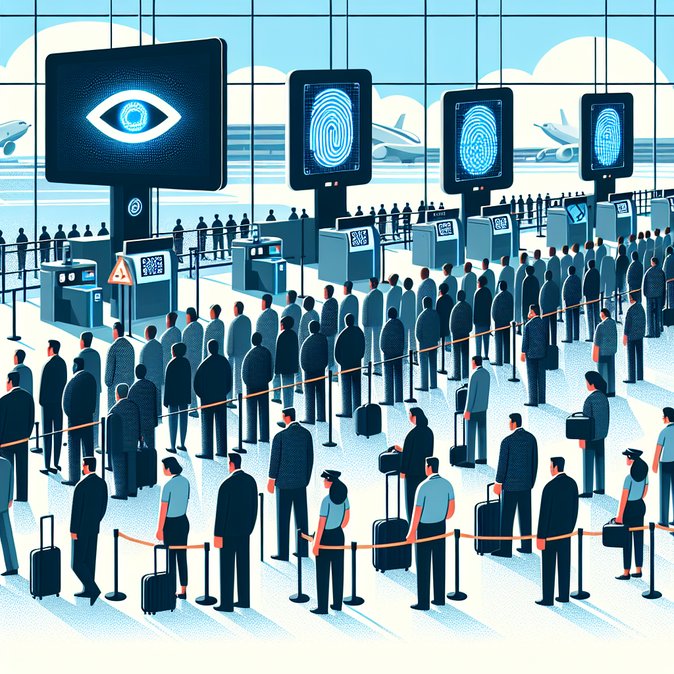
Airports Council International Europe (ACI Europe), Airlines for Europe (A4E) and IATA on 11 February sent an open letter to EU Home-Affairs Commissioner Magnus Brunner warning that the Schengen Entry/Exit System (EES) is already generating passport-control waits of up to two hours—even though only 35 % of third-country travellers are being registered. From April the requirement rises to 100 %, and the industry groups predict four-hour queues at major hubs unless the Commission allows member-states to suspend or scale back registrations during peak periods.
Helsinki-Vantaa, which handled nearly 15 million passengers in 2025—40 % of them non-EU nationals changing planes—could be hit hard. Finavia says its 30 new EES kiosks can process fingerprints and facial images in 60 seconds, but staffing remains a bottleneck; only 60 % of planned additional border-guard posts have been filled after a tight public-sector wage round. The trade bodies identify three risks: manpower shortfalls, lingering software bugs that prevent e-gates from uploading biometrics, and low take-up of Frontex’s pre-registration app.
![Airports and airlines urge EU to loosen biometric Entry/Exit rules—Helsinki braces for summer queues]()
Airlines fear missed connections and compensation liabilities under EU261, while mobility managers worry about project teams stuck in airport queues. Suggested fixes include extending the current flexibility to suspend EES until October 2026, allowing airlines to collect biometrics at check-in, and funding border-staff overtime. Finland’s Interior Ministry told local media it “supports temporary derogations” and will update corporate-travel guidance in March.
If your organisation needs real-time clarity on changing border procedures, VisaHQ can streamline the process. Through its Finland portal (https://www.visahq.com/finland/), the service tracks Schengen policy updates, alerts travellers to biometric and document requirements, and facilitates visa or permit applications well ahead of departure—helping mobility teams minimise disruption when EES queues surge.
Practically, multinationals sending staff through Helsinki this summer should allow an extra 45–60 minutes for outbound passport control and brief travellers on biometric capture (no bandaged fingers, remove glasses). Companies that rely on tight same-day connections via Helsinki may need to re-book on longer layovers or consider alternative hubs until the EU clarifies the suspension mechanism.
Helsinki-Vantaa, which handled nearly 15 million passengers in 2025—40 % of them non-EU nationals changing planes—could be hit hard. Finavia says its 30 new EES kiosks can process fingerprints and facial images in 60 seconds, but staffing remains a bottleneck; only 60 % of planned additional border-guard posts have been filled after a tight public-sector wage round. The trade bodies identify three risks: manpower shortfalls, lingering software bugs that prevent e-gates from uploading biometrics, and low take-up of Frontex’s pre-registration app.
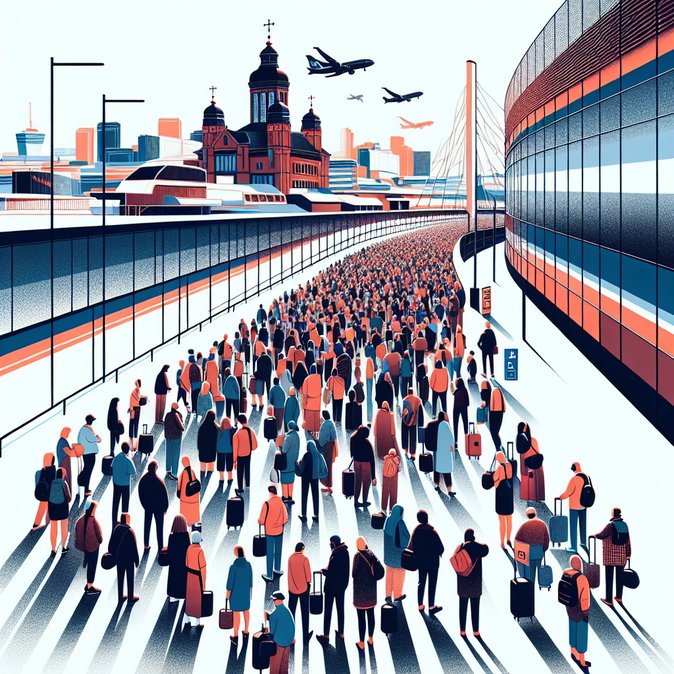
Airlines fear missed connections and compensation liabilities under EU261, while mobility managers worry about project teams stuck in airport queues. Suggested fixes include extending the current flexibility to suspend EES until October 2026, allowing airlines to collect biometrics at check-in, and funding border-staff overtime. Finland’s Interior Ministry told local media it “supports temporary derogations” and will update corporate-travel guidance in March.
If your organisation needs real-time clarity on changing border procedures, VisaHQ can streamline the process. Through its Finland portal (https://www.visahq.com/finland/), the service tracks Schengen policy updates, alerts travellers to biometric and document requirements, and facilitates visa or permit applications well ahead of departure—helping mobility teams minimise disruption when EES queues surge.
Practically, multinationals sending staff through Helsinki this summer should allow an extra 45–60 minutes for outbound passport control and brief travellers on biometric capture (no bandaged fingers, remove glasses). Companies that rely on tight same-day connections via Helsinki may need to re-book on longer layovers or consider alternative hubs until the EU clarifies the suspension mechanism.