The Canada Border Services Agency (CBSA) announced on February 10 that officers at Hamilton International Airport had seized a shipment originating in China that contained prohibited child-exploitation material disguised as a life-sized doll. Acting on X-ray anomalies, officers opened the parcel and alerted Kingston Police, who arrested a 57-year-old Ontario resident on February 3. The individual faces multiple Criminal Code charges and was already under a Long-Term Supervision Order for prior offences.
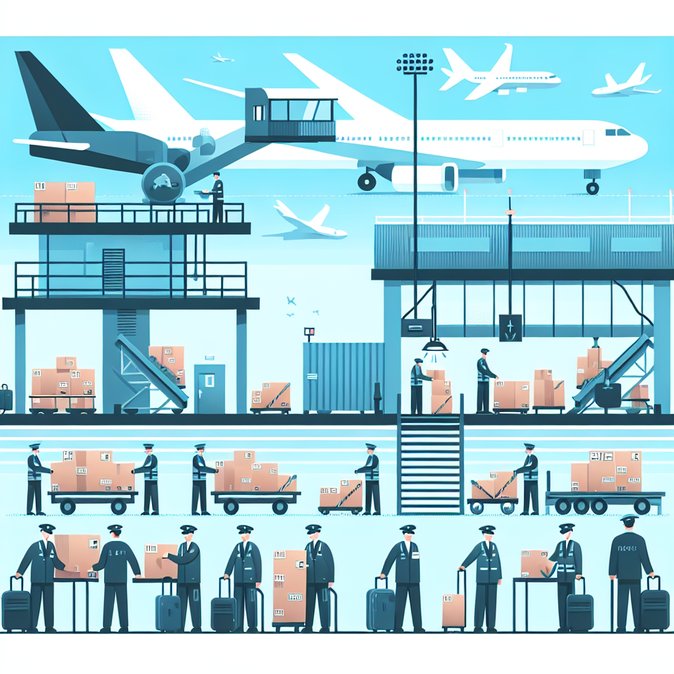
While the case involves shocking content, it also underscores the expanding role of cargo screening in Canada’s border-security ecosystem. E-commerce volumes through secondary airports like Hamilton have surged 38 % since 2024, according to CBSA statistics, forcing the agency to deploy additional Homeland X-ray units and behavioural-analysis officers. For mobility and relocation suppliers that rely on courier shipments of household goods, the incident serves as a reminder that enhanced inspections can slow clearance times, particularly for consignments flagged under the Advanced Commercial Information (ACI) program.
![CBSA intercepts illicit shipment at Hamilton Airport, highlights tighter cargo screening]()
Businesses importing sensitive equipment or personal effects should ensure Harmonized System codes are accurate and that contact information for brokers is up to date to avoid unnecessary holds. The CBSA reiterated that it shares real-time cargo-risk data with U.S. Customs and the Five Eyes alliance, meaning that discrepancies can trigger secondary exams on subsequent cross-border shipments and even NEXUS revocations for associated travellers.
For companies and individuals who need to move talent or goods across the Canadian border smoothly, VisaHQ can help streamline the paperwork side of the equation. Through its Canada portal (https://www.visahq.com/canada/), the firm offers expedited eTAs, work-permit consultations, and custom document reviews that align with CBSA and IRCC requirements, reducing the risk of costly holds or AMPS penalties.
The agency also used the case to publicise its 24-hour Border Watch tip line and to remind importers that penalties under the Administrative Monetary Penalty System (AMPS) can reach C$25,000 per infraction for mis-declared goods. Global-mobility managers arranging corporate moves should brief relocating employees on Canada’s strict prohibitions concerning obscene materials, weapons and cannabis-derived products, which remain illegal to import even if purchased legally abroad.
While the case involves shocking content, it also underscores the expanding role of cargo screening in Canada’s border-security ecosystem. E-commerce volumes through secondary airports like Hamilton have surged 38 % since 2024, according to CBSA statistics, forcing the agency to deploy additional Homeland X-ray units and behavioural-analysis officers. For mobility and relocation suppliers that rely on courier shipments of household goods, the incident serves as a reminder that enhanced inspections can slow clearance times, particularly for consignments flagged under the Advanced Commercial Information (ACI) program.

Businesses importing sensitive equipment or personal effects should ensure Harmonized System codes are accurate and that contact information for brokers is up to date to avoid unnecessary holds. The CBSA reiterated that it shares real-time cargo-risk data with U.S. Customs and the Five Eyes alliance, meaning that discrepancies can trigger secondary exams on subsequent cross-border shipments and even NEXUS revocations for associated travellers.
For companies and individuals who need to move talent or goods across the Canadian border smoothly, VisaHQ can help streamline the paperwork side of the equation. Through its Canada portal (https://www.visahq.com/canada/), the firm offers expedited eTAs, work-permit consultations, and custom document reviews that align with CBSA and IRCC requirements, reducing the risk of costly holds or AMPS penalties.
The agency also used the case to publicise its 24-hour Border Watch tip line and to remind importers that penalties under the Administrative Monetary Penalty System (AMPS) can reach C$25,000 per infraction for mis-declared goods. Global-mobility managers arranging corporate moves should brief relocating employees on Canada’s strict prohibitions concerning obscene materials, weapons and cannabis-derived products, which remain illegal to import even if purchased legally abroad.