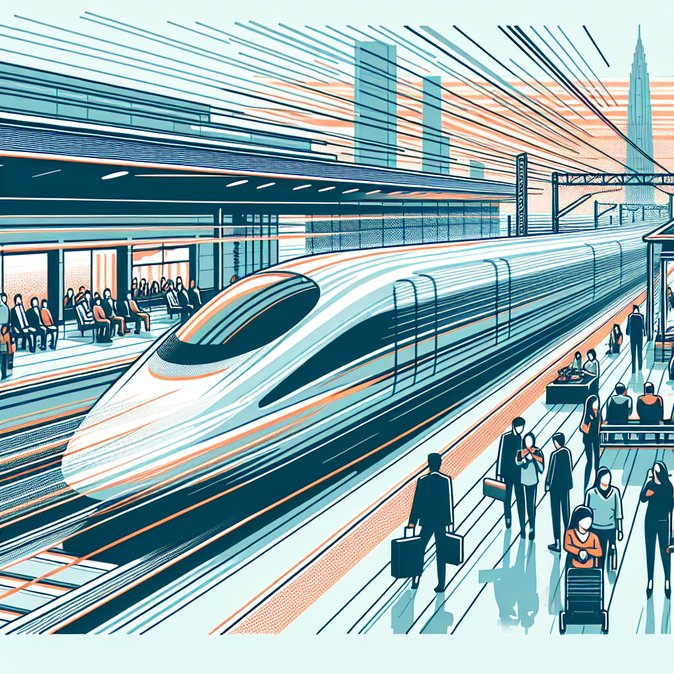
Barely a fortnight after Hong Kong added 16 mainland cities to its high-speed rail map, demand has surged to the point that virtually every seat for the pre-holiday weekend has been snapped up. A spot check of China Railway’s 12306 booking app on Sunday night (8 February) showed that tickets from West Kowloon Station to 14 of the new destinations – including Nanjing, Wuxi and Hefei – were fully booked from Friday through Sunday. Only a handful of higher-priced seats remained on the two least-popular routes.
The sell-out underscores how quickly cross-boundary mobility has normalised since pandemic border controls were lifted 18 months ago. Hong Kong authorities are projecting more than 1.4 million mainland arrivals during the nine-day Lunar New Year ‘golden week’ that starts on 17 February, with rail expected to account for a record share of the flows. MTR Corporation, which operates the Hong Kong section of the Guangzhou-Shenzhen-Hong Kong Express Rail Link, says it is working with mainland counterparts to add standing-room capacity and run longer 16-car train sets where platform lengths permit.
Amid the surge, some passengers are discovering that visa paperwork can still be a bottleneck. VisaHQ’s Hong Kong portal (https://www.visahq.com/hong-kong/) offers a quick, fully online way to check requirements and lodge applications for mainland China and dozens of other countries, helping travellers line up the right documents before they even open the 12306 app.
![Tickets for Hong Kong’s new high-speed rail links almost sold out as Lunar New Year exodus looms]()
Travel-management companies report that many business travellers who normally fly short-haul within the Greater Bay Area have switched to rail because of time savings on security and check-in. A door-to-door run from Central to Nanjing’s Xinjiekou business district now averages eight hours, roughly comparable to a connecting flight via Shanghai but at less than half the cost.
Hoteliers and retailers are eyeing the trend with optimism. The Hong Kong Hotels Association says average occupancy for the February 14–22 period has already crossed 90 per cent, driven largely by rail passengers booking short two-night stays. However, logistics experts caution that passenger demand is starting to crowd out freight capacity in the luggage holds of certain trains, pushing small-parcel shippers back onto road networks at higher cost.
From a policy standpoint, the frantic ticket rush is fuelling calls for even deeper timetable integration between MTR and China State Railway Group, as well as further simplification of ticketing rules for through-journeys beyond Guangzhou South. The Transport and Logistics Bureau has hinted that a second tranche of destinations could be announced before year-end if operating slots at West Kowloon and on the Shenzhen section can be secured.
The sell-out underscores how quickly cross-boundary mobility has normalised since pandemic border controls were lifted 18 months ago. Hong Kong authorities are projecting more than 1.4 million mainland arrivals during the nine-day Lunar New Year ‘golden week’ that starts on 17 February, with rail expected to account for a record share of the flows. MTR Corporation, which operates the Hong Kong section of the Guangzhou-Shenzhen-Hong Kong Express Rail Link, says it is working with mainland counterparts to add standing-room capacity and run longer 16-car train sets where platform lengths permit.
Amid the surge, some passengers are discovering that visa paperwork can still be a bottleneck. VisaHQ’s Hong Kong portal (https://www.visahq.com/hong-kong/) offers a quick, fully online way to check requirements and lodge applications for mainland China and dozens of other countries, helping travellers line up the right documents before they even open the 12306 app.
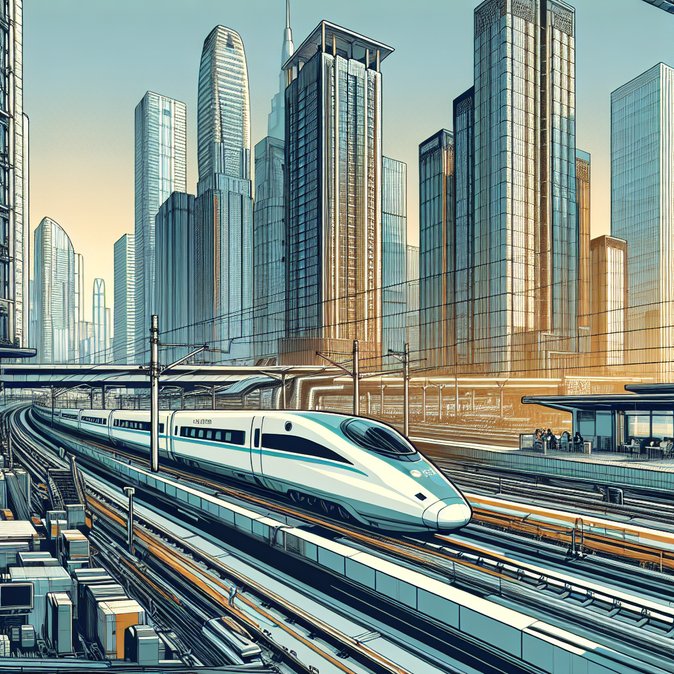
Travel-management companies report that many business travellers who normally fly short-haul within the Greater Bay Area have switched to rail because of time savings on security and check-in. A door-to-door run from Central to Nanjing’s Xinjiekou business district now averages eight hours, roughly comparable to a connecting flight via Shanghai but at less than half the cost.
Hoteliers and retailers are eyeing the trend with optimism. The Hong Kong Hotels Association says average occupancy for the February 14–22 period has already crossed 90 per cent, driven largely by rail passengers booking short two-night stays. However, logistics experts caution that passenger demand is starting to crowd out freight capacity in the luggage holds of certain trains, pushing small-parcel shippers back onto road networks at higher cost.
From a policy standpoint, the frantic ticket rush is fuelling calls for even deeper timetable integration between MTR and China State Railway Group, as well as further simplification of ticketing rules for through-journeys beyond Guangzhou South. The Transport and Logistics Bureau has hinted that a second tranche of destinations could be announced before year-end if operating slots at West Kowloon and on the Shenzhen section can be secured.