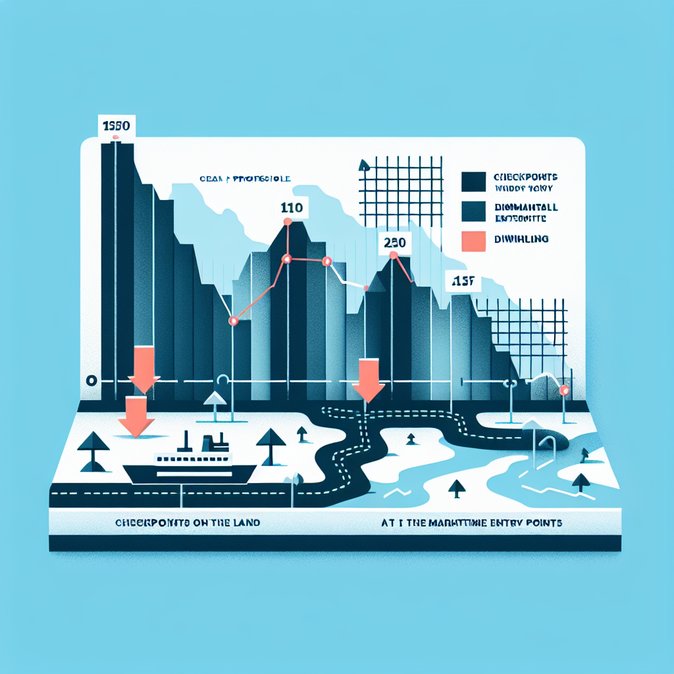
Germany’s controversial re-introduction of internal border controls is having the intended deterrent effect, according to new data released over the weekend. The Federal Police recorded 62 526 unauthorised entries across all land, sea and air frontiers in 2025—down from 83 572 in 2024 and from 127 549 in 2023. The sharpest decline was seen in ports: only 215 migrants were intercepted at Mecklenburg-Vorpommern’s two Baltic ferry terminals, 60 fewer than the previous year.
Officials attribute the trend to phased controls that started on the Polish and Czech land borders in late 2024 and were gradually extended to all nine neighbours, as well as random checks on ferries and long-distance coaches. Critics counter that the measures erode Schengen freedoms and merely shift routes rather than reduce overall migration pressure.
![Federal Police Statistics Show 50 % Drop in Irregular Entries After Border Checks]()
Companies and private travelers who need clarity on German entry requirements can streamline the process through VisaHQ, an online visa and passport facilitation service. Its dedicated Germany portal (https://www.visahq.com/germany/) consolidates the latest Schengen rules and provides step-by-step assistance, helping mobility teams and individuals secure the right documents quickly as regulations continue to evolve.
For employers, the immediate benefit is a more predictable compliance environment for posted workers and truck drivers who had faced congestion at improvised checkpoints in 2024. Yet the numbers also mean that more third-country nationals are being refused entry before they can lodge an asylum claim, which could raise human-rights concerns and spark legal challenges in 2026.
Global mobility teams should brief assignees entering Germany via ferry ports that passport inspections are likely—even though the stops are technically inside the Schengen area. Carriers are stepping up document checks to avoid carrier-liability fines, so travellers should carry residence permits or work-visa stickers in original form, not just digital copies.
Officials attribute the trend to phased controls that started on the Polish and Czech land borders in late 2024 and were gradually extended to all nine neighbours, as well as random checks on ferries and long-distance coaches. Critics counter that the measures erode Schengen freedoms and merely shift routes rather than reduce overall migration pressure.

Companies and private travelers who need clarity on German entry requirements can streamline the process through VisaHQ, an online visa and passport facilitation service. Its dedicated Germany portal (https://www.visahq.com/germany/) consolidates the latest Schengen rules and provides step-by-step assistance, helping mobility teams and individuals secure the right documents quickly as regulations continue to evolve.
For employers, the immediate benefit is a more predictable compliance environment for posted workers and truck drivers who had faced congestion at improvised checkpoints in 2024. Yet the numbers also mean that more third-country nationals are being refused entry before they can lodge an asylum claim, which could raise human-rights concerns and spark legal challenges in 2026.
Global mobility teams should brief assignees entering Germany via ferry ports that passport inspections are likely—even though the stops are technically inside the Schengen area. Carriers are stepping up document checks to avoid carrier-liability fines, so travellers should carry residence permits or work-visa stickers in original form, not just digital copies.