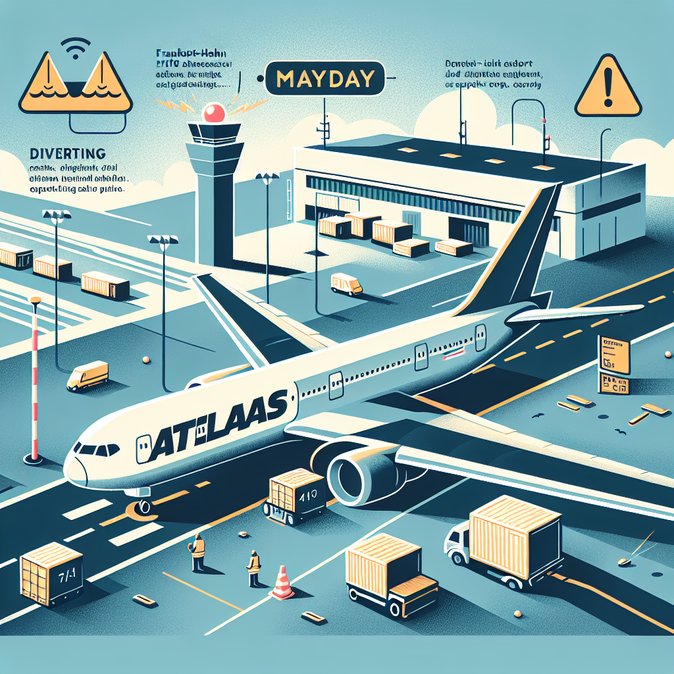
Berlin’s winter storm drama appears to be over—at least for air travellers. After a rare sheet of “Blitzeis” (flash ice) forced Berlin-Brandenburg Airport (BER) to close its runways on Thursday night and remain largely paralysed until Friday noon, the airport authority confirms that de-icing times have returned to routine levels and all scheduled flights are operating. Roughly 77 000 passengers are expected to pass through the terminal on the last weekend of the local school holidays.
The quick recovery is a relief for corporate mobility managers who were scrambling to reroute travellers at short notice. More than 300 flights were cancelled or diverted during the 18-hour closure, triggering knock-on disruptions across European networks. Airlines have now reinstated normal rotations, but warn that crews and aircraft are still ‘out of position’, so isolated delays could persist into Monday.
![Berlin-Brandenburg Airport Back to Normal After 24-Hour Ice Shutdown]()
From a policy perspective, the incident highlights Germany’s dependency on a single capital airport and the vulnerability of flight operations to extreme weather. Aviation unions are renewing calls for additional de-icing vehicles and reserve staff at BER, pointing out that ground-handling concessions were cut by 12 % during the pandemic. Meanwhile, travel-risk advisors recommend that employers add at least two hours buffer time for outbound flights during the remainder of February, when further freezing rain episodes are possible.
Travellers who still need to arrange the right travel documents for Germany—or anywhere else their rerouted itineraries may take them—can save time by using VisaHQ’s online application tools. The platform’s step-by-step guidance and real-time status updates at https://www.visahq.com/germany/ help corporate mobility teams keep employees compliant even when plans change at the last minute.
For assignees already in Germany, the practical advice is simple: reconfirm departure times, use rail whenever feasible, and monitor the airport’s live feed for gate changes. Employers should ensure that duty-of-care platforms capture weather alerts so that travellers can receive push notifications before leaving for BER.
The quick recovery is a relief for corporate mobility managers who were scrambling to reroute travellers at short notice. More than 300 flights were cancelled or diverted during the 18-hour closure, triggering knock-on disruptions across European networks. Airlines have now reinstated normal rotations, but warn that crews and aircraft are still ‘out of position’, so isolated delays could persist into Monday.

From a policy perspective, the incident highlights Germany’s dependency on a single capital airport and the vulnerability of flight operations to extreme weather. Aviation unions are renewing calls for additional de-icing vehicles and reserve staff at BER, pointing out that ground-handling concessions were cut by 12 % during the pandemic. Meanwhile, travel-risk advisors recommend that employers add at least two hours buffer time for outbound flights during the remainder of February, when further freezing rain episodes are possible.
Travellers who still need to arrange the right travel documents for Germany—or anywhere else their rerouted itineraries may take them—can save time by using VisaHQ’s online application tools. The platform’s step-by-step guidance and real-time status updates at https://www.visahq.com/germany/ help corporate mobility teams keep employees compliant even when plans change at the last minute.
For assignees already in Germany, the practical advice is simple: reconfirm departure times, use rail whenever feasible, and monitor the airport’s live feed for gate changes. Employers should ensure that duty-of-care platforms capture weather alerts so that travellers can receive push notifications before leaving for BER.