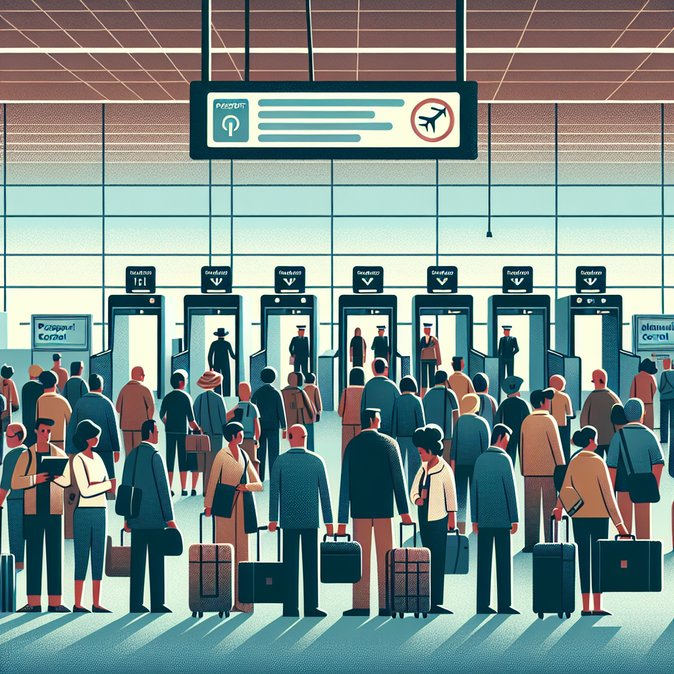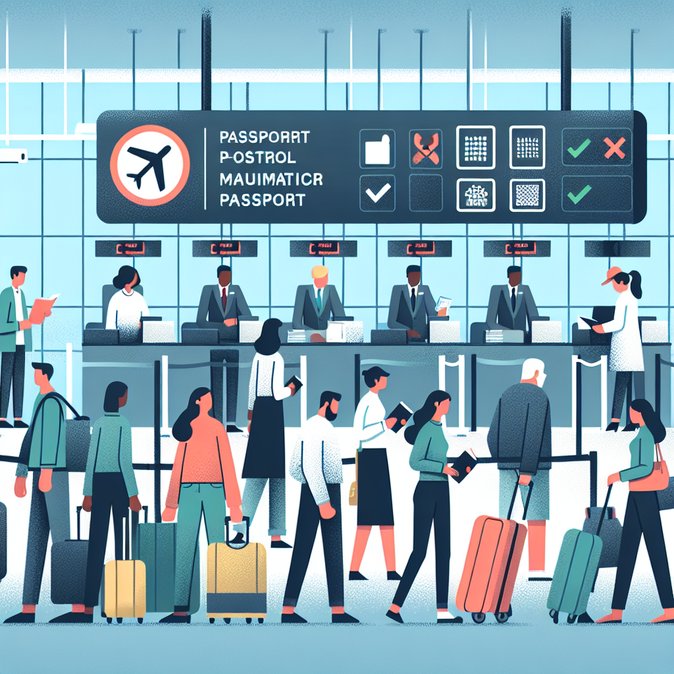
A seemingly routine Friday evening quickly turned into a stress test for Belgium’s main international gateway. At 18:30 on 6 February, all 24 automated e-gates in Brussels Airport’s non-Schengen arrivals hall went offline after a software failure in the federal police’s border-control platform. The outage, first reported by Travel Tomorrow and confirmed by the airport authority, forced officers to revert to fully manual inspection of every passport.
By Saturday lunchtime – the peak arrival bank for long-haul flights – waiting times stretched to 90 minutes as EU, EEA and Swiss passengers queued alongside third-country nationals. Airlines were instructed to hold some departures to protect misconnections, while ground-handling crews scrambled to re-allocate staff. According to Brussels Airport Company, normal service did not resume until late Saturday evening after engineers patched the faulty module.
![Software glitch forces manual passport checks at Brussels Airport, causing hours-long queues]()
For travellers keen to head off similar headaches, VisaHQ can provide up-to-date entry guidance, visa processing and document checks for Belgium and other destinations. Their specialists monitor regulatory changes and airport conditions in real time, helping passengers avoid paperwork snags that can compound border-control delays. Visit https://www.visahq.com/belgium/ for details.
The incident lays bare the fragility of border-automation infrastructure just months before the EU’s new Entry/Exit System (EES) becomes mandatory in April 2026. Industry groups have repeatedly warned that even short-lived technical failures could snarl terminals if fallback staffing plans are inadequate. The airport has 36 e-gates on order to handle EES biometric enrolment but, as the Belgian Airline Pilots Association notes, “resilience matters as much as capacity.”
Business-travel managers should prepare for intermittent disruption during the 2026 rollout: the airport now advises non-Schengen travellers to arrive three hours before departure and to monitor carrier alerts closely. Companies moving talent through Brussels may also wish to stagger Monday-morning starts or build extra buffer days into assignment schedules until EES stability is proven.
By Saturday lunchtime – the peak arrival bank for long-haul flights – waiting times stretched to 90 minutes as EU, EEA and Swiss passengers queued alongside third-country nationals. Airlines were instructed to hold some departures to protect misconnections, while ground-handling crews scrambled to re-allocate staff. According to Brussels Airport Company, normal service did not resume until late Saturday evening after engineers patched the faulty module.

For travellers keen to head off similar headaches, VisaHQ can provide up-to-date entry guidance, visa processing and document checks for Belgium and other destinations. Their specialists monitor regulatory changes and airport conditions in real time, helping passengers avoid paperwork snags that can compound border-control delays. Visit https://www.visahq.com/belgium/ for details.
The incident lays bare the fragility of border-automation infrastructure just months before the EU’s new Entry/Exit System (EES) becomes mandatory in April 2026. Industry groups have repeatedly warned that even short-lived technical failures could snarl terminals if fallback staffing plans are inadequate. The airport has 36 e-gates on order to handle EES biometric enrolment but, as the Belgian Airline Pilots Association notes, “resilience matters as much as capacity.”
Business-travel managers should prepare for intermittent disruption during the 2026 rollout: the airport now advises non-Schengen travellers to arrive three hours before departure and to monitor carrier alerts closely. Companies moving talent through Brussels may also wish to stagger Monday-morning starts or build extra buffer days into assignment schedules until EES stability is proven.
More From Belgium
View all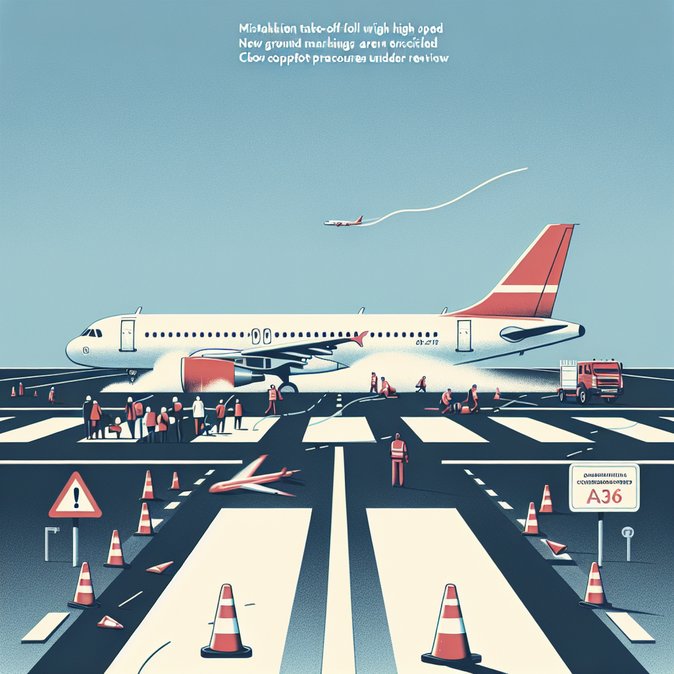
Runway mix-up at Brussels Airport narrowly avoids catastrophe, prompts safety review

European Parliament to vote this week on ‘safe country’ rules that could reshape asylum processing in Belgium