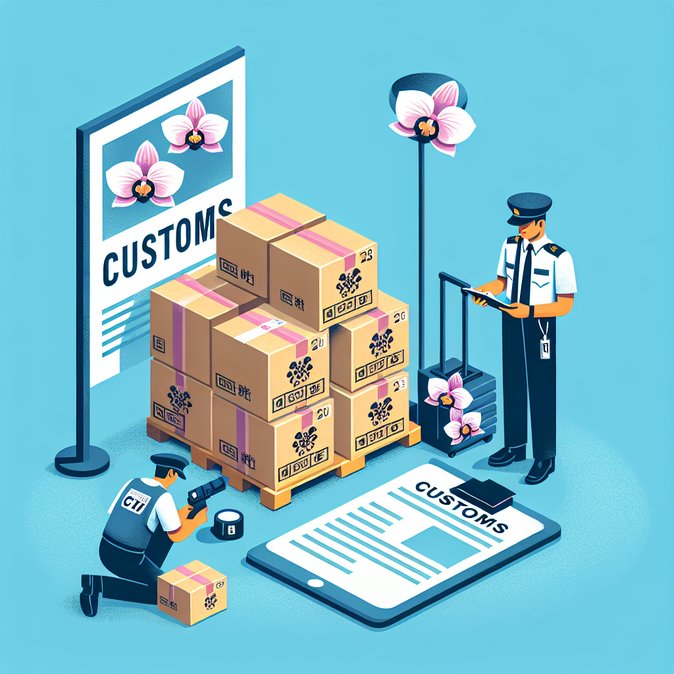
Hong Kong’s Agriculture, Fisheries & Conservation Department (AFCD) revealed on 8 February that customs officers had intercepted 23 consignments of smuggled orchids between 1 January and 1 February, ahead of the peak Lunar New Year gift-giving season.
Endangered-species officer Jenny Lau said the seizures—mainly Phalaenopsis and Cymbidium hybrids worth an estimated HK$1.2 million—were made at airport cargo terminals, land boundary control points and express-parcel depots. All orchid species are protected under the local ordinance that implements CITES, and imports require pre-issued permits.
Whether you’re an HR manager arranging compliance paperwork for an inbound assignee or an expatriate simply curious about holiday regulations, VisaHQ’s Hong Kong platform (https://www.visahq.com/hong-kong/) offers an easy way to pre-screen shipments and order the CITES and travel permits you might need. The firm’s online trackers and document-courier options can save days at customs, making sure those New Year orchids—and their owners—arrive without surprises.
![Border agencies seize 23 illegal orchid shipments as Hong Kong steps up holiday inspections]()
The AFCD will now deploy additional inspectors at the airport’s Plant Quarantine Station, Lo Wu, Lok Ma Chau and the Hong Kong-Zhuhai-Macao Bridge, while the Customs & Excise Department will hand out bilingual pamphlets warning travellers that undeclared orchid plants can lead to fines of up to HK$10,000 and six months’ imprisonment.
For corporates moving staff into Hong Kong over the holiday period, the crackdown is a reminder that seemingly innocuous gifts can trigger customs delays. Relocation specialists should audit air-freight inventories, brief transferees not to pack live plants in unaccompanied baggage, and liaise early with forwarding agents to secure CITES documentation when importing decorative flora for office events or serviced apartments.
The stepped-up enforcement also demonstrates the government’s intent to keep border-clearance times under control even as visitor numbers spike; officers say electronic declaration lanes introduced last year have halved average inspection times, helping them focus on high-risk cargo.
Endangered-species officer Jenny Lau said the seizures—mainly Phalaenopsis and Cymbidium hybrids worth an estimated HK$1.2 million—were made at airport cargo terminals, land boundary control points and express-parcel depots. All orchid species are protected under the local ordinance that implements CITES, and imports require pre-issued permits.
Whether you’re an HR manager arranging compliance paperwork for an inbound assignee or an expatriate simply curious about holiday regulations, VisaHQ’s Hong Kong platform (https://www.visahq.com/hong-kong/) offers an easy way to pre-screen shipments and order the CITES and travel permits you might need. The firm’s online trackers and document-courier options can save days at customs, making sure those New Year orchids—and their owners—arrive without surprises.

The AFCD will now deploy additional inspectors at the airport’s Plant Quarantine Station, Lo Wu, Lok Ma Chau and the Hong Kong-Zhuhai-Macao Bridge, while the Customs & Excise Department will hand out bilingual pamphlets warning travellers that undeclared orchid plants can lead to fines of up to HK$10,000 and six months’ imprisonment.
For corporates moving staff into Hong Kong over the holiday period, the crackdown is a reminder that seemingly innocuous gifts can trigger customs delays. Relocation specialists should audit air-freight inventories, brief transferees not to pack live plants in unaccompanied baggage, and liaise early with forwarding agents to secure CITES documentation when importing decorative flora for office events or serviced apartments.
The stepped-up enforcement also demonstrates the government’s intent to keep border-clearance times under control even as visitor numbers spike; officers say electronic declaration lanes introduced last year have halved average inspection times, helping them focus on high-risk cargo.
More From Hong Kong
View all
High-speed rail tickets from Hong Kong to 14 new mainland cities sell out days before holiday exodus

Hong Kong tightens crowd-control rules at popular nature sites ahead of expected 1.43 million mainland visitors