With high-speed rail and multiple express bus routes linking nine Guangdong cities with Hong Kong and Macao, two-way holiday traffic – colloquially dubbed ‘southbound-northbound’ travel – has become a defining feature of the Lunar New Year season. On 7 February, municipal governments across the Greater Bay Area (GBA) unveiled festival programmes designed to both retain local spend and entice cross-border visitors.(hkcna.hk)
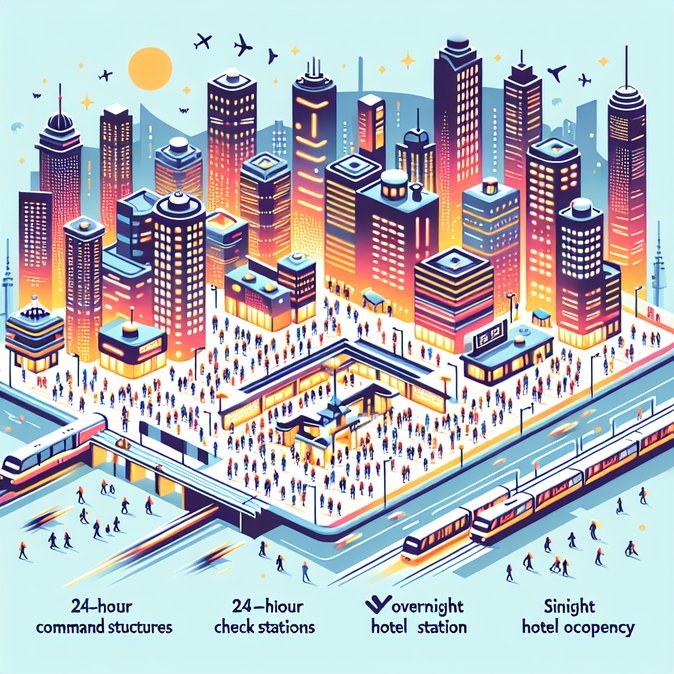
Shenzhen will open its biennial Lantern Festival boulevard three days early, accompanied by 24-hour dining zones near Futian and Shenzhen North stations, while Zhuhai is offering half-price theme-park tickets for tourists who arrive via the Hong Kong–Zhuhai–Macao Bridge. In response, Hong Kong’s Tourism Board has extended operating hours at the revamped Central Market night bazaar and coordinated shuttle coupons with OCT Harbour in Shenzhen.
The flurry of promotions is part of an unofficial ‘GBA draw-card pact’ that seeks to balance crowd flows and maximise hotel utilisation across the region. Cross-boundary coach operators say advance bookings are up 18 percent year-on-year, and MTR Corp reports that West Kowloon high-speed-rail seats to Guangzhou, Wuhan and Changsha sold out within hours of release.
![Greater Bay Area cities roll out Spring Festival attractions to channel ‘north-south’ visitor flows]()
Amid the rush, travellers of certain nationalities still need to secure visas or ensure passport validity for multiple GBA hops. VisaHQ’s Hong Kong portal (https://www.visahq.com/hong-kong/) offers a quick way to check the latest entry rules and arrange paperwork online, freeing visitors to focus on festival fun instead of embassy appointments.
Experts note that fluid tourist exchanges within the GBA are reshaping corporate mobility patterns: Shenzhen-based tech firms are scheduling off-sites in Hong Kong to coincide with fireworks, while Hong Kong law practices are sending partners northwards for client banquets. Employers need to monitor provincial COVID-19 health-code rules – which, while largely harmonised, still require advance real-name ticketing and local SIM verification for intra-mainland legs.
Economic planners see the 2026 Spring Festival as a rehearsal for the 2026 Asian Games co-hosted by Hong Kong and Guangdong. A smooth travel experience this month will bolster the case for further e-channel mutual-recognition and expanded multi-entry permits across the bay.
Shenzhen will open its biennial Lantern Festival boulevard three days early, accompanied by 24-hour dining zones near Futian and Shenzhen North stations, while Zhuhai is offering half-price theme-park tickets for tourists who arrive via the Hong Kong–Zhuhai–Macao Bridge. In response, Hong Kong’s Tourism Board has extended operating hours at the revamped Central Market night bazaar and coordinated shuttle coupons with OCT Harbour in Shenzhen.
The flurry of promotions is part of an unofficial ‘GBA draw-card pact’ that seeks to balance crowd flows and maximise hotel utilisation across the region. Cross-boundary coach operators say advance bookings are up 18 percent year-on-year, and MTR Corp reports that West Kowloon high-speed-rail seats to Guangzhou, Wuhan and Changsha sold out within hours of release.
Amid the rush, travellers of certain nationalities still need to secure visas or ensure passport validity for multiple GBA hops. VisaHQ’s Hong Kong portal (https://www.visahq.com/hong-kong/) offers a quick way to check the latest entry rules and arrange paperwork online, freeing visitors to focus on festival fun instead of embassy appointments.
Experts note that fluid tourist exchanges within the GBA are reshaping corporate mobility patterns: Shenzhen-based tech firms are scheduling off-sites in Hong Kong to coincide with fireworks, while Hong Kong law practices are sending partners northwards for client banquets. Employers need to monitor provincial COVID-19 health-code rules – which, while largely harmonised, still require advance real-name ticketing and local SIM verification for intra-mainland legs.
Economic planners see the 2026 Spring Festival as a rehearsal for the 2026 Asian Games co-hosted by Hong Kong and Guangdong. A smooth travel experience this month will bolster the case for further e-channel mutual-recognition and expanded multi-entry permits across the bay.