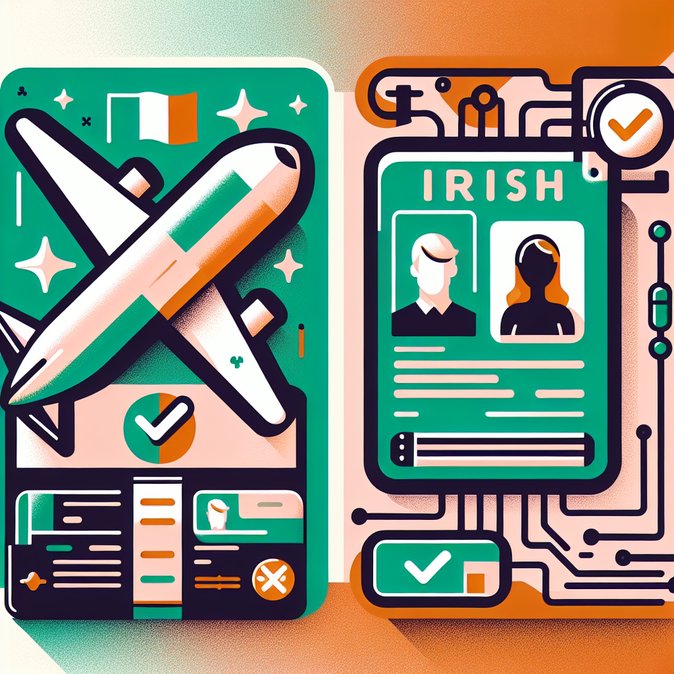
Aer Lingus passengers travelling between the Republic of Ireland and the United Kingdom have just days left to use driving licences or other national ID cards at the boarding gate. The carrier confirmed on 7 February that, from 25 February 2026, every traveller on its Ireland-UK network (including Aer Lingus Regional) must present either a valid passport or an Irish passport card. Domestic flights within Ireland (Dublin–Donegal) and services between Belfast and Great Britain remain exempt because they do not cross an international border.
Aer Lingus says the change will ‘standardise documentation checks and reduce last-minute boarding issues’. Until now, the airline accepted Irish driving licences, Garda age cards and some EU national ID cards on the short-haul cross-channel routes. The new policy brings the airline into line with the UK Government’s Electronic Travel Authorisation (ETA) programme, which becomes mandatory for visa-exempt passengers from 25 February 2026. Under ETA, non-Irish nationals entering the UK must obtain digital pre-clearance costing £16 and valid for two years.
In practice, the passport-only rule means Irish citizens who previously travelled with a driving licence for convenience will need to check passport validity well before departure. Aer Lingus has created a dedicated helpline and offers free date changes or refunds for customers who discover their documents are not compliant. The carrier is also training ground staff to help travellers upload biometric details for ETA applications at the airport.
![Aer Lingus introduces passport-only ID rule on Ireland-UK flights ahead of UK ETA rollout]()
If you’re still working out how ETA rules will affect your future trips, VisaHQ can streamline the process. Its user-friendly portal (https://www.visahq.com/united-kingdom/) outlines current UK entry requirements, lets you start an ETA or visa application online, and provides real-time status updates—helping individuals and corporate travel managers avoid last-minute document headaches.
Business-travel advisers warn that corporate mobility teams should update traveller profiles immediately: staff working on regular Dublin–London or Cork–Manchester shuttles must now carry passports even for day trips, or risk denied boarding. Employers should also budget for the new ETA fee for non-Irish visitors joining UK meetings after 25 February.
The policy underscores a wider trend towards digital pre-authorisation and stricter identity verification in the common travel area. While the UK and Ireland enjoy a special free-movement agreement for citizens, carriers are tightening documentation standards to avoid fines for carrying non-compliant passengers once ETA enforcement begins.
Aer Lingus says the change will ‘standardise documentation checks and reduce last-minute boarding issues’. Until now, the airline accepted Irish driving licences, Garda age cards and some EU national ID cards on the short-haul cross-channel routes. The new policy brings the airline into line with the UK Government’s Electronic Travel Authorisation (ETA) programme, which becomes mandatory for visa-exempt passengers from 25 February 2026. Under ETA, non-Irish nationals entering the UK must obtain digital pre-clearance costing £16 and valid for two years.
In practice, the passport-only rule means Irish citizens who previously travelled with a driving licence for convenience will need to check passport validity well before departure. Aer Lingus has created a dedicated helpline and offers free date changes or refunds for customers who discover their documents are not compliant. The carrier is also training ground staff to help travellers upload biometric details for ETA applications at the airport.
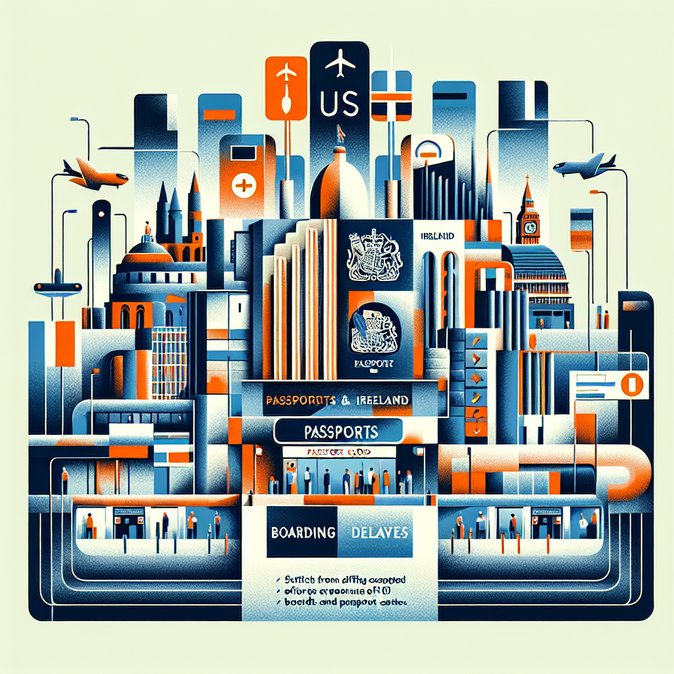
If you’re still working out how ETA rules will affect your future trips, VisaHQ can streamline the process. Its user-friendly portal (https://www.visahq.com/united-kingdom/) outlines current UK entry requirements, lets you start an ETA or visa application online, and provides real-time status updates—helping individuals and corporate travel managers avoid last-minute document headaches.
Business-travel advisers warn that corporate mobility teams should update traveller profiles immediately: staff working on regular Dublin–London or Cork–Manchester shuttles must now carry passports even for day trips, or risk denied boarding. Employers should also budget for the new ETA fee for non-Irish visitors joining UK meetings after 25 February.
The policy underscores a wider trend towards digital pre-authorisation and stricter identity verification in the common travel area. While the UK and Ireland enjoy a special free-movement agreement for citizens, carriers are tightening documentation standards to avoid fines for carrying non-compliant passengers once ETA enforcement begins.