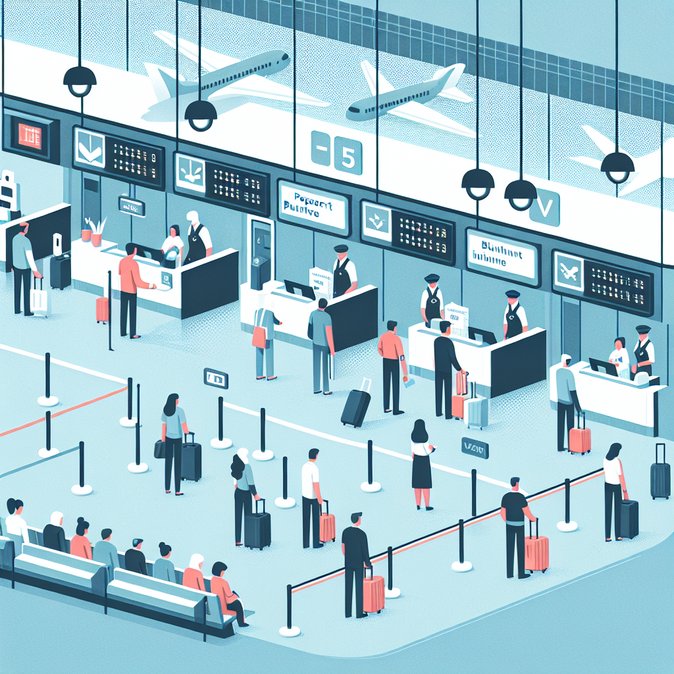
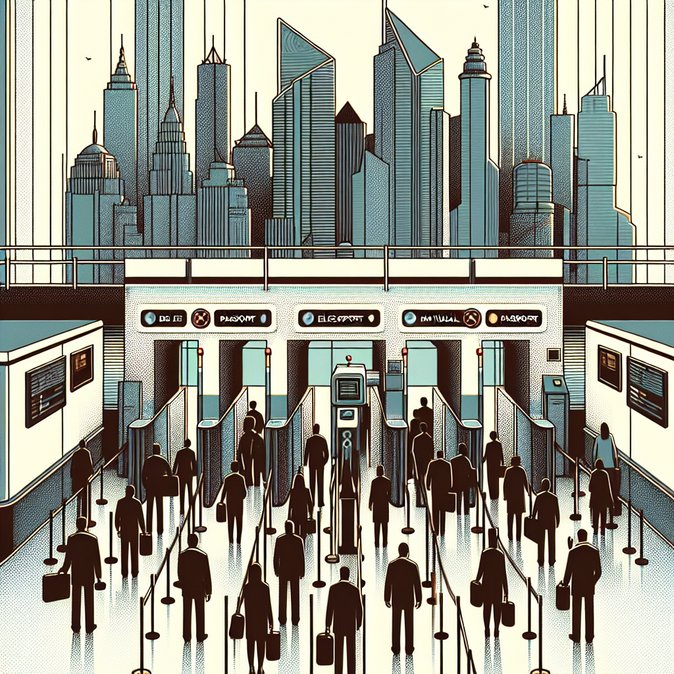
Brussels Airport warned passengers on Saturday morning that electronic passport gates in the non-Schengen zone are out of service following a technical failure that began at 18:30 on Friday. Until the fault is fixed, all travellers—EU and non-EU alike—must present their documents to human officers, adding an extra layer of checks at Belgium’s busiest airport. Federal police teams are working with the airport’s IT supplier to identify the root cause, but management could not give a timeline for restoration. Travellers departing for the United Kingdom, North America and other long-haul destinations reported wait times of up to 50 minutes at peak early-morning banks. (brusselstimes.com)
The temporary switch to 100 percent manual processing has immediate practical consequences for global-mobility managers flying talent in and out of Belgium. Brussels Airport normally relies on automated e-gates to keep EU passport holders flowing quickly while border officers focus on higher-risk passengers. With that capacity offline, airlines have been asked to stagger check-in cut-off times and to warn connecting passengers that minimum-connection windows may not be respected. Corporate travel departments should therefore budget additional buffer time when booking itineraries that include a Brussels connection, or consider routing assignees through Paris CDG or Amsterdam Schiphol until the issue is resolved.
Longer queues also raise compliance questions. Under the EU’s Carrier Sanctions Directive, carriers remain liable for transporting inadmissible travellers even when border lanes are congested. Airlines told The Brussels Times they have instructed gate staff to perform an extra visual check of visa and passport validity before boarding to avoid fines. Employers transferring non-EU assignees should remind employees to carry supporting documents—such as Belgian single-permit approval letters or proof of accommodation—in their hand luggage to expedite questioning if they are pulled aside.
![Technical glitch forces manual border checks at Brussels Airport, causing long queues for non-Schengen flights]()
For travellers who need to double-check visa requirements or obtain documents on short notice, VisaHQ can streamline the process by verifying entry rules for Belgium and issuing the correct visas entirely online, with options for expedited courier pick-up and delivery of passports. This extra assurance can save valuable time when airport systems fail and manual inspections intensify. Learn more at https://www.visahq.com/belgium/
The incident is a reminder of the fragility of Europe’s increasingly digital border architecture ahead of the 2025 Entry/Exit System (EES) roll-out. While EES promises faster, biometric-based crossings, any IT failure could instantly push thousands of passengers back into manual queues, as Saturday’s events show. Global mobility teams are advised to build contingencies—such as enrolling travellers in Registered Traveller programmes and booking flexible tickets—well before EES goes live.
For now, Brussels Airport recommends that passengers on non-Schengen flights arrive three hours before departure. The airport says it will update its website and social-media feeds once e-gates are operational again, but gave no estimated time of repair as of 10:00 Saturday. (brusselstimes.com)
The temporary switch to 100 percent manual processing has immediate practical consequences for global-mobility managers flying talent in and out of Belgium. Brussels Airport normally relies on automated e-gates to keep EU passport holders flowing quickly while border officers focus on higher-risk passengers. With that capacity offline, airlines have been asked to stagger check-in cut-off times and to warn connecting passengers that minimum-connection windows may not be respected. Corporate travel departments should therefore budget additional buffer time when booking itineraries that include a Brussels connection, or consider routing assignees through Paris CDG or Amsterdam Schiphol until the issue is resolved.
Longer queues also raise compliance questions. Under the EU’s Carrier Sanctions Directive, carriers remain liable for transporting inadmissible travellers even when border lanes are congested. Airlines told The Brussels Times they have instructed gate staff to perform an extra visual check of visa and passport validity before boarding to avoid fines. Employers transferring non-EU assignees should remind employees to carry supporting documents—such as Belgian single-permit approval letters or proof of accommodation—in their hand luggage to expedite questioning if they are pulled aside.
For travellers who need to double-check visa requirements or obtain documents on short notice, VisaHQ can streamline the process by verifying entry rules for Belgium and issuing the correct visas entirely online, with options for expedited courier pick-up and delivery of passports. This extra assurance can save valuable time when airport systems fail and manual inspections intensify. Learn more at https://www.visahq.com/belgium/
The incident is a reminder of the fragility of Europe’s increasingly digital border architecture ahead of the 2025 Entry/Exit System (EES) roll-out. While EES promises faster, biometric-based crossings, any IT failure could instantly push thousands of passengers back into manual queues, as Saturday’s events show. Global mobility teams are advised to build contingencies—such as enrolling travellers in Registered Traveller programmes and booking flexible tickets—well before EES goes live.
For now, Brussels Airport recommends that passengers on non-Schengen flights arrive three hours before departure. The airport says it will update its website and social-media feeds once e-gates are operational again, but gave no estimated time of repair as of 10:00 Saturday. (brusselstimes.com)