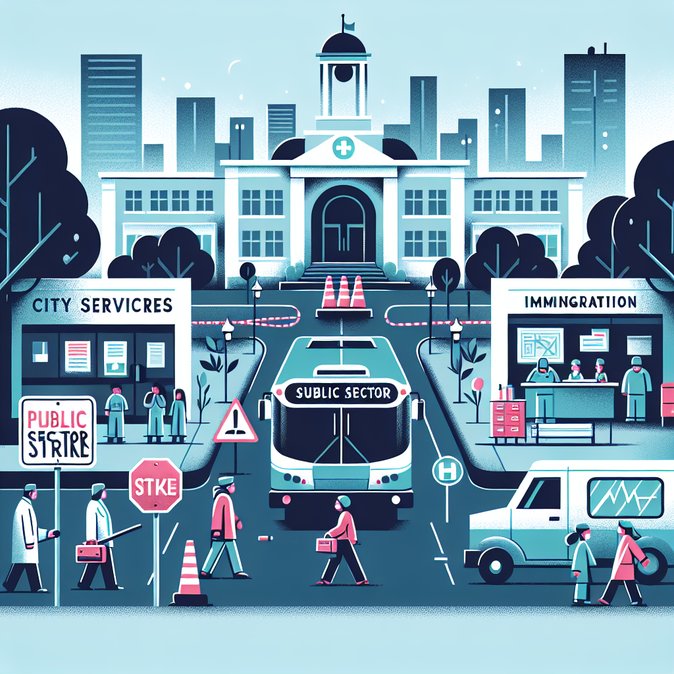
Germany’s Verdi union has called for intensified warning strikes in the first half of next week, targeting state-run employers from university hospitals and schools to road-maintenance depots and IT centres. Deputy chair Christine Behle told a Berlin press briefing that the action would be the “final surge” before wage negotiations with the Länder resume in Potsdam on 11–13 February. (welt.de)
Although the industrial dispute centres on public-sector pay—a 7 % increase or at least €300 a month—business travellers will feel the knock-on effects. Previous walkouts this winter have closed canteens at regional airports, reduced operating rooms in university clinics and disrupted building-permit offices that process Blue Card endorsements. Verdi has not ruled out expanding picket lines to local transport operators should talks collapse.
![Verdi threatens ‘last wave’ of strikes across German states ahead of final pay talks]()
For mobility teams seeking extra backup during the strike period, VisaHQ’s Germany specialists can track shifting appointment calendars, coordinate submissions through alternative consulates, and advise on courier or remote options that keep assignments on schedule. See how the service works at https://www.visahq.com/germany/
Mobility managers with February onboarding dates should verify whether immigration authorities in strike-hit states (especially Saxony, Thuringia and Mecklenburg-Vorpommern) are offering alternative appointment slots or remote validations. Digital residence-permit cards (eAT) that require biometric collection could face delays if municipal IT staff join the stoppage.
The union says emergency services will remain in place, but previous “Notdienst” arrangements still resulted in 30-minute security queues at clinics and ad-hoc road closures near depots where snow-plough drivers walked out. Travel planners may wish to build half-day cushions into itineraries, reroute via unaffected hubs and remind assignees about Germany’s statutory right to strike, which limits the effectiveness of force-majeure claims for missed appointments.
Although the industrial dispute centres on public-sector pay—a 7 % increase or at least €300 a month—business travellers will feel the knock-on effects. Previous walkouts this winter have closed canteens at regional airports, reduced operating rooms in university clinics and disrupted building-permit offices that process Blue Card endorsements. Verdi has not ruled out expanding picket lines to local transport operators should talks collapse.

For mobility teams seeking extra backup during the strike period, VisaHQ’s Germany specialists can track shifting appointment calendars, coordinate submissions through alternative consulates, and advise on courier or remote options that keep assignments on schedule. See how the service works at https://www.visahq.com/germany/
Mobility managers with February onboarding dates should verify whether immigration authorities in strike-hit states (especially Saxony, Thuringia and Mecklenburg-Vorpommern) are offering alternative appointment slots or remote validations. Digital residence-permit cards (eAT) that require biometric collection could face delays if municipal IT staff join the stoppage.
The union says emergency services will remain in place, but previous “Notdienst” arrangements still resulted in 30-minute security queues at clinics and ad-hoc road closures near depots where snow-plough drivers walked out. Travel planners may wish to build half-day cushions into itineraries, reroute via unaffected hubs and remind assignees about Germany’s statutory right to strike, which limits the effectiveness of force-majeure claims for missed appointments.