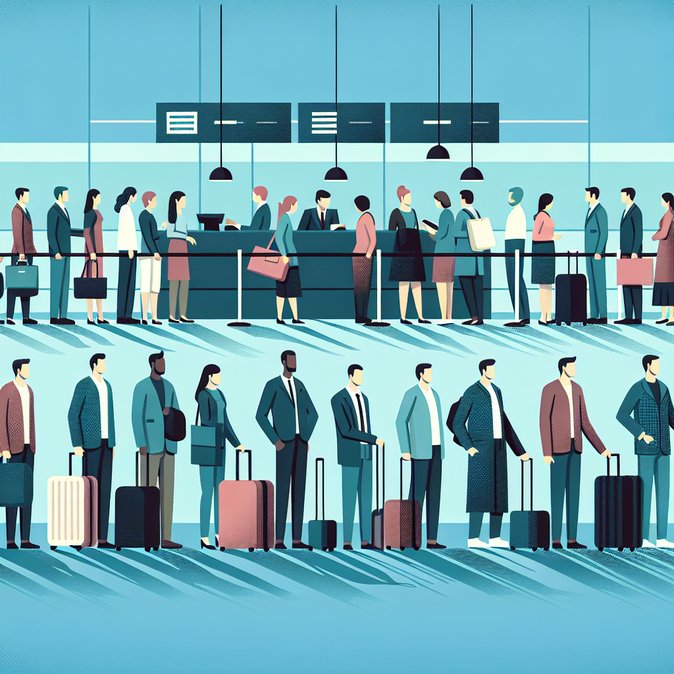
Airlines and airport operators across Europe are sounding the alarm that the European Union’s new biometric Entry-Exit System (EES) could bring hours-long queues at Schengen border posts just as the 2026 summer season begins. From 10 April, border guards must fingerprint and photograph every non-EU traveller—including Britons, Americans and Australians—before stamping a passport is replaced by a digital entry in the EES database. While the system has been live in “soft-launch” mode since October, authorities have so far been required to register only 35 % of passengers.
The Guardian reports that even this partial rollout has produced delays of up to three hours at large hubs in Spain, France and Italy. Trade bodies ACI Europe and ABTA have therefore urged Brussels to allow more flexibility—either by suspending the obligation on peak days or by financing extra staff and self-service kiosks. Preparations at land crossings such as Eurotunnel and Eurostar are also lagging because French police have not yet certified the kiosk software that will feed data to the central EU system.
Travellers looking for personalised guidance on the new rules can turn to VisaHQ, which tracks entry policies in real time and helps arrange visas, travel documents and passport renewals. Its dedicated Czech Republic portal (https://www.visahq.com/czech-republic/) lets passengers check whether they need additional paperwork, book courier services for document processing and receive alerts as EES procedures evolve.
![EU Entry-Exit System Faces Summer Chaos: Prague-Bound Travellers Warned]()
For Václav Havel Airport Prague, the stakes are high. Two-thirds of its 50 daily departures to the UK and other visa-exempt markets rely on smooth outbound processing. Airport management told Czech media that installing 36 e-gates and hiring 120 additional police officers will cost roughly CZK 250 million (€10 million). If Brussels refuses to slow the timetable, Prague Airport expects that non-EU passengers will need to arrive at least four hours before departure between June and August—twice the current guideline.
Corporate mobility managers should start contingency planning now. Schengen airlines say they will deny boarding to passengers who cannot reasonably reach their gate because of EES queues, and they will treat the situation as “extraordinary circumstances”, meaning no EU 261 compensation is due. Czech-based multinationals are advising assignees and frequent business travellers to renew almost-expired passports (because each new passport requires a fresh EES enrolment), and to keep proof of previous Schengen stays handy in case of questions about the 90/180-day rule.
In the longer term, the EES is designed to tighten border security and automate overstay detection, reducing the administrative burden on national police. Yet unless the European Commission heeds industry warnings, 2026 could be remembered as the summer that Europe’s digital border came of age amid very analogue chaos.
The Guardian reports that even this partial rollout has produced delays of up to three hours at large hubs in Spain, France and Italy. Trade bodies ACI Europe and ABTA have therefore urged Brussels to allow more flexibility—either by suspending the obligation on peak days or by financing extra staff and self-service kiosks. Preparations at land crossings such as Eurotunnel and Eurostar are also lagging because French police have not yet certified the kiosk software that will feed data to the central EU system.
Travellers looking for personalised guidance on the new rules can turn to VisaHQ, which tracks entry policies in real time and helps arrange visas, travel documents and passport renewals. Its dedicated Czech Republic portal (https://www.visahq.com/czech-republic/) lets passengers check whether they need additional paperwork, book courier services for document processing and receive alerts as EES procedures evolve.
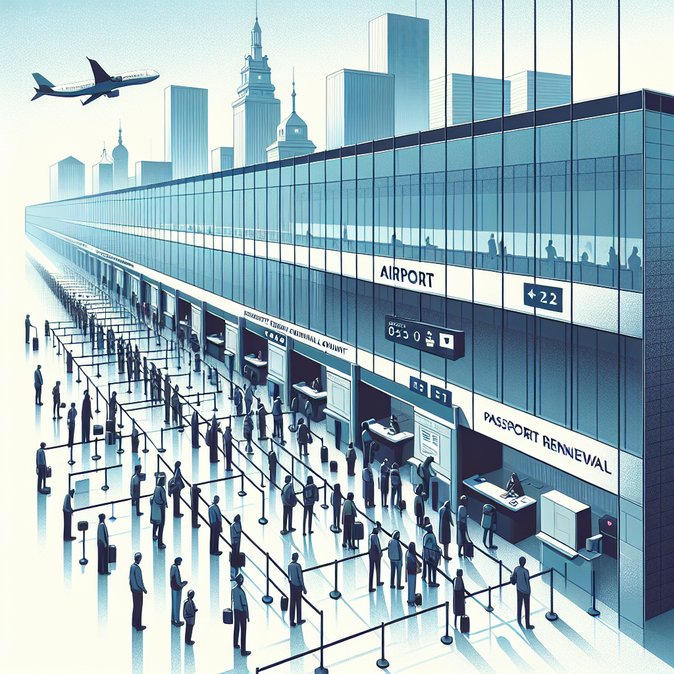
For Václav Havel Airport Prague, the stakes are high. Two-thirds of its 50 daily departures to the UK and other visa-exempt markets rely on smooth outbound processing. Airport management told Czech media that installing 36 e-gates and hiring 120 additional police officers will cost roughly CZK 250 million (€10 million). If Brussels refuses to slow the timetable, Prague Airport expects that non-EU passengers will need to arrive at least four hours before departure between June and August—twice the current guideline.
Corporate mobility managers should start contingency planning now. Schengen airlines say they will deny boarding to passengers who cannot reasonably reach their gate because of EES queues, and they will treat the situation as “extraordinary circumstances”, meaning no EU 261 compensation is due. Czech-based multinationals are advising assignees and frequent business travellers to renew almost-expired passports (because each new passport requires a fresh EES enrolment), and to keep proof of previous Schengen stays handy in case of questions about the 90/180-day rule.
In the longer term, the EES is designed to tighten border security and automate overstay detection, reducing the administrative burden on national police. Yet unless the European Commission heeds industry warnings, 2026 could be remembered as the summer that Europe’s digital border came of age amid very analogue chaos.