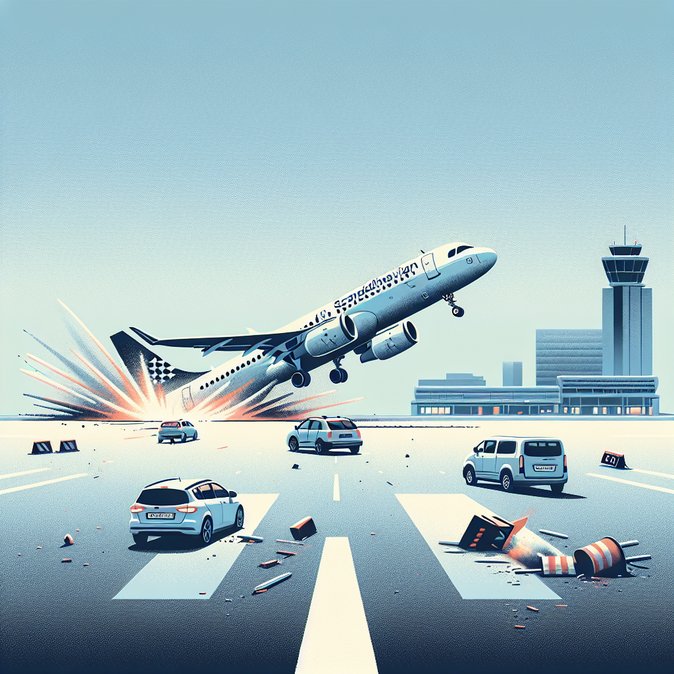
Belgian aviation officials have opened a formal investigation after a Scandinavian Airlines (SAS) Airbus A320-neo, flight SK2590 from Brussels to Copenhagen, inadvertently lined up on a parallel taxiway instead of runway 07R on the evening of 5 February. According to the incident report, the crew accelerated to about 100 knots before realising the error and executing a rejected-take-off that brought the aircraft to a halt just metres from the airport’s fuel farm. All 165 passengers were safely evacuated onto waiting buses and the aircraft was grounded for technical inspection. (airportia.com)
Initial data suggest that the aircraft had received take-off clearance while still on the outer taxiway (E1). Investigators from Belgium’s Air Accident Investigation Unit will examine cockpit voice and flight-data recordings, ATC tapes, airport lighting and signage, and the role of Brussels Airport’s ongoing runway-works programme. The airline confirmed it is co-operating fully and has rebooked affected passengers.
![SAS Airbus aborts take-off on taxiway at Brussels Airport, 165 passengers evacuated]()
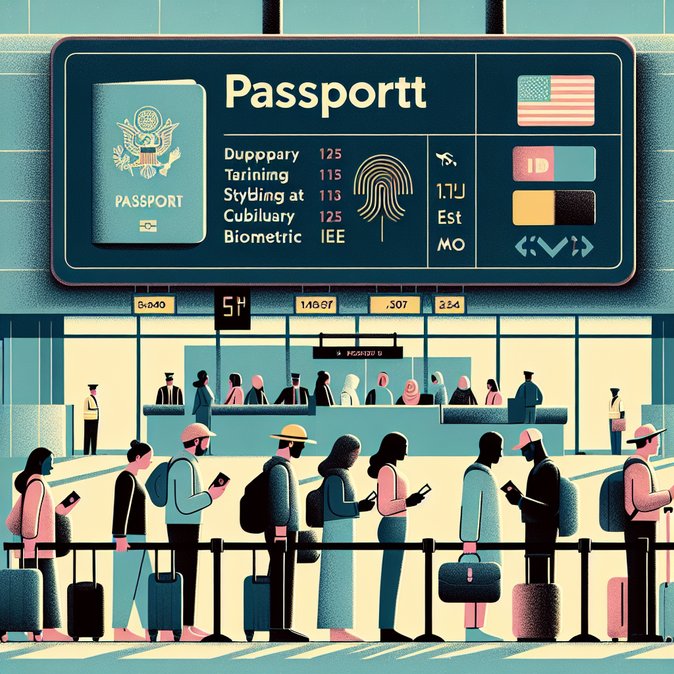
While no flights were cancelled on Friday morning, the near-miss has sharpened focus on surface-movement safety at Belgium’s busiest international gateway. Brussels Airport handled 10.4 million passengers in 2025 and is preparing for a summer surge once the EU’s biometric Entry/Exit System (EES) becomes mandatory in April. Industry experts warn that any additional ground delays triggered by the new border checks could compound runway-incursion risks if crews face tight departure slots.
For travellers forced to adjust schedules or documents at short notice, VisaHQ can help streamline Belgian visa applications and other travel paperwork entirely online—offering real-time status updates, secure digital uploads and dedicated customer support that prove invaluable when incidents like the SK2590 investigation or EES-related delays disrupt plans. Find details at https://www.visahq.com/belgium/
For corporate travel managers, the episode underlines the importance of real-time flight monitoring and robust duty-of-care protocols. Employers with staff transiting through Brussels are advised to brief travellers on possible knock-on delays and to maintain flexible itineraries in the coming weeks while the investigation progresses.
Initial data suggest that the aircraft had received take-off clearance while still on the outer taxiway (E1). Investigators from Belgium’s Air Accident Investigation Unit will examine cockpit voice and flight-data recordings, ATC tapes, airport lighting and signage, and the role of Brussels Airport’s ongoing runway-works programme. The airline confirmed it is co-operating fully and has rebooked affected passengers.

While no flights were cancelled on Friday morning, the near-miss has sharpened focus on surface-movement safety at Belgium’s busiest international gateway. Brussels Airport handled 10.4 million passengers in 2025 and is preparing for a summer surge once the EU’s biometric Entry/Exit System (EES) becomes mandatory in April. Industry experts warn that any additional ground delays triggered by the new border checks could compound runway-incursion risks if crews face tight departure slots.
For travellers forced to adjust schedules or documents at short notice, VisaHQ can help streamline Belgian visa applications and other travel paperwork entirely online—offering real-time status updates, secure digital uploads and dedicated customer support that prove invaluable when incidents like the SK2590 investigation or EES-related delays disrupt plans. Find details at https://www.visahq.com/belgium/
For corporate travel managers, the episode underlines the importance of real-time flight monitoring and robust duty-of-care protocols. Employers with staff transiting through Brussels are advised to brief travellers on possible knock-on delays and to maintain flexible itineraries in the coming weeks while the investigation progresses.